
Plants
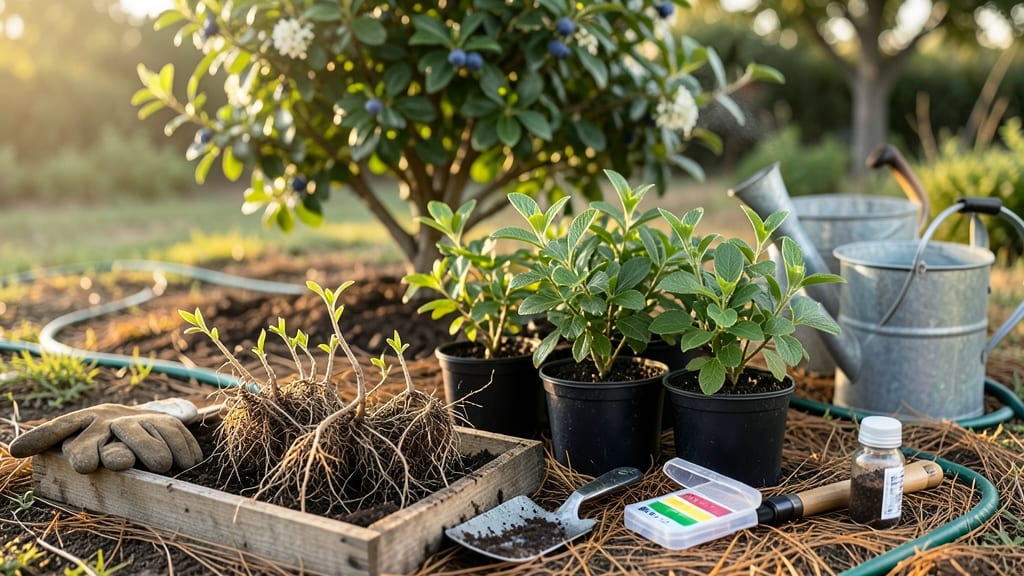
Planting blueberries in Southern California’s warm climate isn’t just possible—it’s a game-changer for your garden if you time it right. The key? Matching your blueberry varieties to the region’s unique chill-hour requirements, which can make or break your harvest.
Unlike northern climates, Southern California’s mild winters demand careful planning to ensure your bushes thrive and produce fruit.
Most gardeners here assume spring is the only planting window, but that’s only half the story. The real secret lies in understanding how chill-hour needs influence when you should plant—whether it’s late fall for certain varieties or early winter for others.
I’ll walk you through the exact months that work best, so you can avoid heat stress and maximize your yield. Let’s get your blueberries off to the right start.
Think you can’t grow blueberries in this heat? Think again. With the right timing and a few pro tips, your 🌱 blueberry bushes can flourish in Southern California’s microclimates—from coastal breezes to inland warmth.
We’ll cover everything from soil prep to post-planting care, so you’re not left guessing. Ready to turn your garden into a blueberry powerhouse?
Whether you’re a first-time gardener or a seasoned pro, this guide will help you choose the perfect varieties, plant at the optimal time, and keep your bushes happy year-round. No more wasted effort—just sweet, juicy blueberries straight from your backyard. Let’s dive in.
Best planting times for blueberries in Southern California by chill-hour requirements
Southern California’s mild winters and warm summers make growing blueberries challenging—but not impossible. The key lies in chill-hour requirements, which vary by variety. Most traditional blueberries need 300-1,000 chill hours (temperatures between 32°F and 45°F), but Southern California’s coastal and inland regions often provide only 100-300 chill hours.
This means selecting the right variety and planting at the perfect time is critical for success.
In Southern California, the best planting windows are late fall (November) and early winter (December-January). These months offer cooler soil temperatures, reducing transplant shock while still providing enough chill hours for low-chill varieties.
Planting in spring (March-April) is riskier because the soil warms too quickly, stressing young plants before they establish roots.
Here’s how Southern California’s microclimates affect planting times:
- Coastal areas (e.g., Santa Barbara, San Diego): Plant in December-January for 150-250 chill hours.
- Inland valleys (e.g., Los Angeles, Riverside): Plant in November-December for 250-350 chill hours.
- Desert regions (e.g., Palm Springs, Coachella): Plant in late November for 100-200 chill hours.
| Region | Chill Hours | Best Planting Month | Soil Temp (°F) | Notes |
|---|---|---|---|---|
| Coastal (Santa Barbara, San Diego) | 150-250 | December-January | 50-55°F | Cool, moist soil; use mulch. |
| Inland Valleys (LA, Riverside) | 250-350 | November-December | 55-60°F | Warmer soil; water deeply. |
| Desert (Palm Springs, Coachella) | 100-200 | Late November | 60-65°F | Driest region; irrigate immediately. |
For low-chill varieties (e.g., ‘Misty,’ ‘Duke’), aim for November planting to maximize chill hours before spring warmth sets in. If you miss this window, early spring (February) is a secondary option, but young plants may struggle with heat stress.
Always check the USDA Hardiness Zone for your specific area—most of Southern California falls under Zones 9-11, which demand careful variety selection.
After planting, mulch heavily with pine bark or straw to retain moisture and simulate cooler, northern climates. This mimics the acidic, organic-rich soil blueberries crave, even in Southern California’s alkaline conditions. Avoid planting during summer months—the heat will shock roots and stunt growth.
Pro tip: If you’re in a high-desert area, consider container gardening with acid-loving potting mix. Containers warm up faster but give you control over soil conditions. Move pots to a shaded area during peak summer heat to protect your bushes.
Once planted, monitor your blueberries for heat stress signs like curled leaves or yellowing foliage. These indicate it’s time to increase shade or adjust watering. With the right timing and care, your bushes can thrive and produce fruit even in Southern California’s challenging climate.
Remember: Patience is key. Blueberries may take 2-3 years to bear fruit, but with the right chill-hour match and planting window, you’ll enjoy a bountiful harvest for decades. 🌱💧☀️
Best planting times for blueberries in Southern California by chill-hour requirements
Southern California’s mild winters create a unique challenge for growing blueberries—they need chill hours to produce fruit, but our warm climate often falls short. The key is planting at the right time to align with your variety’s chill-hour needs and avoid heat stress.
Most blueberries require 250-1,000 chill hours, but Southern California typically offers only 100-300 chill hours annually.
For low-chill varieties (300-500 hours), the best window is late fall to early winter (November-December). This gives bushes time to establish roots before spring warmth. Higher-chill varieties (500-1,000 hours) should go in early winter (January-February) to maximize chill exposure.
Coastal areas with cooler microclimates can plant slightly later than inland regions.
Here’s how to match your blueberries to Southern California’s microclimates:
| Microclimate | Chill Hours | Best Planting Month | Notes |
|---|---|---|---|
| Coastal (e.g., Santa Barbara) | 150-250 | December-February | Cool nights extend chill hours |
| Inland (e.g., Riverside) | 100-200 | November-December | Use low-chill varieties only |
| Desert (e.g., Palm Springs) | 50-150 | January-February | Container growing recommended |
Timing matters even more than you think. Planting in November gives roots time to establish before the warm, dry spring hits. Avoid late winter (March-April) planting—soil warmth triggers early growth, but insufficient chill hours can stunt flowering.
For container-grown bushes, adjust planting by 2-4 weeks later to account for their slower root development.
Pro tip: Use shade cloth during summer to protect young bushes from heat stress. This mimics the cooler conditions they’d experience in traditional growing zones. Pair this with drip irrigation to maintain consistent moisture, which is critical during Southern California’s dry spells.
Your bushes will thank you with stronger growth and better fruit set.
Remember, patience is key. Blueberries planted in Southern California may take 2-3 years to bear fruit compared to cooler climates, but with the right timing and care, you’ll enjoy a reliable harvest for decades.
Start with the right variety, plant at the optimal time, and watch your bushes thrive in this unexpected climate. 🌱