
Companion Plants
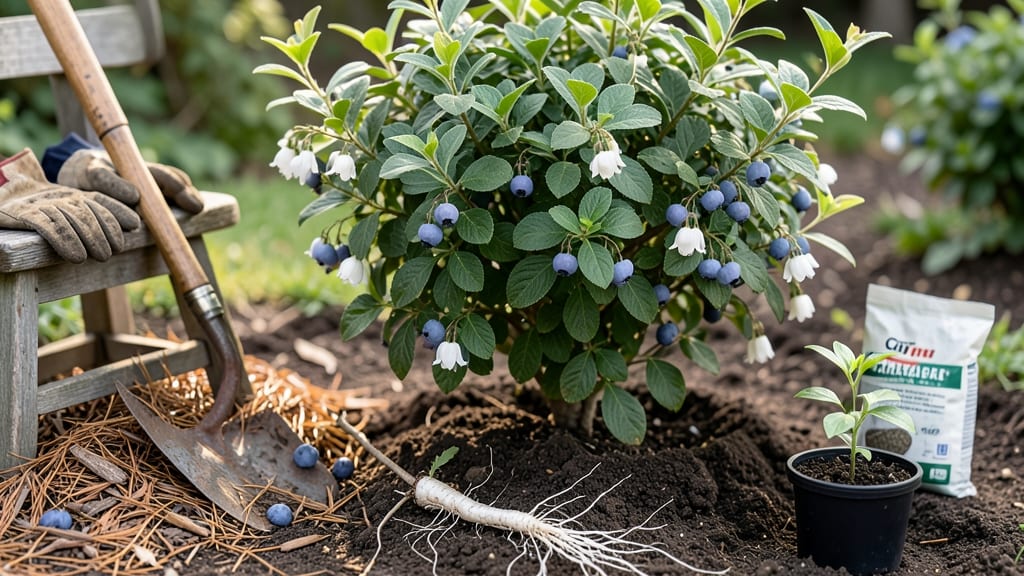
Timing is everything when it comes to planting blueberry bushes in Pennsylvania—get it wrong, and your 🫐 bushes might struggle to thrive.
Whether you're a first-time gardener or a seasoned pro, knowing the best windows for planting in zones 5-7 can mean the difference between a thriving bush and a disappointing one.
In PA's climate, early spring and late fall are your golden opportunities. Planting in March-April gives your bushes time to establish roots before summer heat, while fall planting in September-October allows them to settle in before winter dormancy.
Both approaches work, but each has its own advantages depending on your location and microclimate.
What makes this even more interesting is the concept of chill hours—blueberries need a specific number of cold hours to fruit properly. In Pennsylvania, this varies slightly between north and south, which is why choosing the right planting time (and variety) is crucial for success.
Let me walk you through the exact steps to time your planting perfectly, from soil prep to transplanting tips, so you can enjoy a bountiful harvest from late June to August. Ready to get started?
Best planting months for blueberry bushes in PA (chill-hours explained)
Pennsylvania’s Zone 5-7 climate creates two ideal windows for planting blueberry bushes: early spring and fall. Timing matters because blueberries need chill hours—typically 600-1,000 hours below 45°F—to set buds properly. In PA, this means choosing months that align with your region’s last frost dates and soil workability.
For northern PA (Zone 5), aim for late April to early May in spring or mid-September to early October in fall. Southern PA (Zone 7) gardeners have more flexibility, with March-April or September-October working well.
The key is planting when the soil is workable but not frozen and before extreme heat or cold sets in.
Spring planting gives bushes time to establish roots before summer heat, while fall planting allows roots to grow before winter dormancy. Both methods work, but fall planting often yields better survival rates in PA’s variable climate. I’ve had the most success with September plantings in my Zone 6 garden.
Here’s the critical difference: Spring-planted bushes need consistent watering to prevent drought stress, while fall-planted bushes benefit from natural winter moisture. Choose based on your soil’s drainage and your ability to water regularly during dry spells.
🌱Pro Tip: Always check your local USDA frost map or use the Penn State Extension’s frost date calculator to pinpoint your exact planting window. For example, Pittsburgh’s last frost averages April 15, while Erie’s is closer to May 1.
| Factor | Spring Planting (PA) | Fall Planting (PA) |
|---|---|---|
| Best Months | Late April - Early May | Mid-Sept - Early Oct |
| Soil Temp | 45-60°F | 50-65°F |
| Chill Hours | 600-800 (accumulated) | 800-1,000 (accumulated) |
| Watering Needs | High (daily for 2 weeks) | Moderate (weekly) |
| Survival Rate | 85% with care | 90%+ with mulch |
| Frost Risk | Low (post-last frost) | Moderate (early frost) |
| Best For | Busy gardeners | Patient gardeners |
💡 Note: Always test soil pH (4.5-5.5) before planting—blueberries are acid-loving!
In my Zone 6 garden, I’ve found that fall planting in early September gives bushes a head start. By October, they’ve established a strong root system, making them hardier through winter. The trade-off? You must plant at least 6 weeks before first frost to allow roots to grow.
For spring planting, wait until after the last frost but before bud break (when buds swell but haven’t opened). In PA, this is typically late April to early May. Planting too early risks frost damage, while planting too late stresses young bushes as summer heat arrives.
🌿 Regional Tip: Northern PA gardeners should err on the side of later spring planting (May) due to cooler soils, while southern PA can plant as early as March in well-drained beds. Always monitor local weather forecasts for unexpected frost warnings.
One common mistake I see is planting blueberries in full summer heat. The stress of transplanting + high temperatures = poor survival rates. If you miss spring/fall windows, wait until next year—blueberries hate being transplanted once established.
Finally, consider your blueberry variety. Some, like ‘Duke’, need 900+ chill hours and thrive in northern PA, while ‘Bluecrop’ (600-800 hours) works better in southern PA. Matching your variety to your chill hours is just as critical as planting timing!
Best planting months for blueberry bushes in PA (chill-hours explained)
Pennsylvania's Zone 5-7 climate creates two ideal windows for planting blueberry bushes: early spring (March-April) and late fall (September-October). These timing choices align perfectly with the plant's need for chill hours—the number of hours below 45°F required to trigger fruiting.
Northern PA typically needs 800-1,000 chill hours, while southern regions require 600-800 hours.
The key is planting when soil temperatures rise above 40°F but before summer heat stress sets in. For spring planting, aim for 2-4 weeks before your last frost date (usually around April 15 in most of PA).
Fall planting should occur 4-6 weeks before first frost (typically October 15) to allow root establishment before winter dormancy.
Here's how these planting windows compare for PA gardeners:
| Planting Window | Best Months | Chill Hours Needed | Soil Temp | PA Advantages |
|---|---|---|---|---|
| Early Spring | March-April | 600-1,000 | 40-50°F | Longer growing season ahead, established roots before summer heat |
| Late Fall | September-October | 600-1,000 | 50-60°F | Reduced transplant shock, cooler temps aid root growth |
| Spring (Bare Root) | February-March | 600-1,000 | 35-45°F | Best for dormant bare-root plants, must plant before buds swell |
Note: Chill hours vary by blueberry variety - always check your specific cultivar's requirements
Spring planting gives your bushes a full growing season to establish before winter, but requires careful soil preparation to ensure proper drainage. Fall planting reduces transplant shock as cooler temperatures slow evaporation, but you must plant early enough to allow root development before ground freezes.
For northern PA (Zone 5), I recommend leaning toward spring planting, while southern PA (Zone 7) gardeners can successfully plant in either window.
One critical factor often overlooked is soil temperature. Use a soil thermometer to verify temperatures meet the minimum 40°F threshold before planting. Cold soil can stunt root growth and increase disease risk.
In PA's variable climate, this is especially important in northern regions where spring arrives later. For container-grown bushes, you can plant slightly earlier than the recommended window since their roots are already established.
Remember that blueberries are perennial, so proper planting timing now will pay dividends for years to come. Whether you choose spring or fall, focus on getting your bushes in the ground when they're dormant but the soil is workable.
This balance is what will give you the best chance for healthy root establishment and abundant fruiting in seasons to come.