
Plants
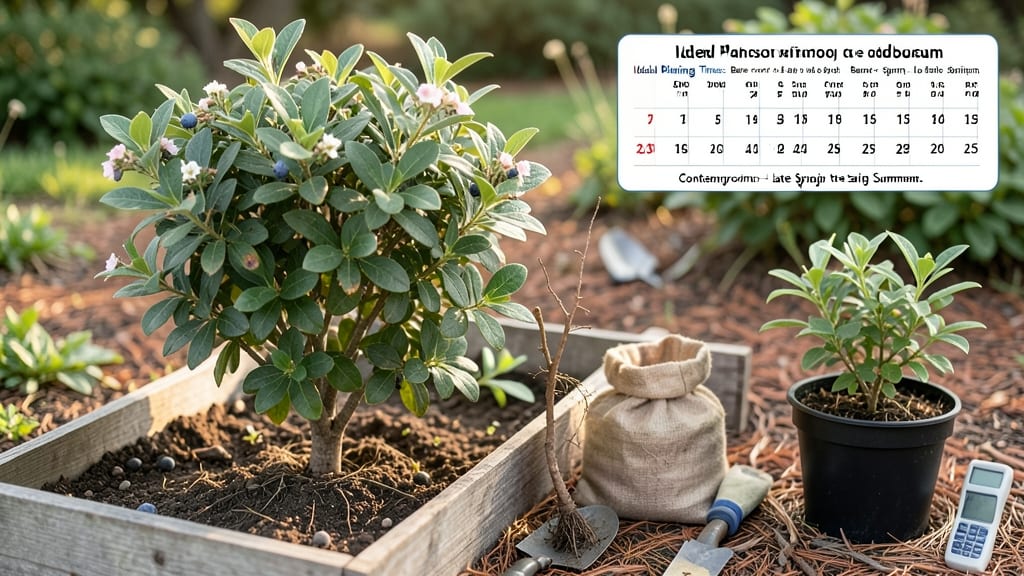
Timing your blueberry planting in SC isn’t just about the calendar—it’s about matching your variety to South Carolina’s tricky climate. Too early, and your bushes may struggle with heat stress; too late, and you’ll miss the narrow window for strong root establishment before summer’s intensity.
The secret? Choosing the right chill-hour varieties and planting them when the soil warms but before the brutal July heat sets in.
Most gardeners in SC’s humid subtropical zones get it wrong by following generic advice—like planting in fall when the ground is still cool. But blueberries 🌱 thrive when planted in late winter or early spring, once the chill hours have satisfied their dormancy needs.
That means late February to March for Southern Highbush types, or even earlier for Rabbiteye varieties that need fewer chill hours. Get this timing right, and you’ll set your bushes up for perfect blooms and a bumper crop by summer.
Here’s the game-changer: your SC microclimate matters. Coastal areas with milder winters may need to plant slightly later than Piedmont regions, where frost lingers longer. I’ll break down exactly when to dig in based on your zone, plus how to prep your soil for the acidic conditions these berries crave.
No more guesswork—just a foolproof schedule tailored to your backyard.
Ready to turn your SC garden into a blueberry powerhouse? Let’s dive into the best planting months, the top varieties for your area, and the pro tips that’ll keep your bushes thriving even when the heat hits. Your first harvest is closer than you think!
Best planting months in SC based on chill-hour requirements
South Carolina’s humid subtropical climate means blueberries thrive with precise planting timing. Unlike northern states, SC’s mild winters and hot summers demand varieties with low chill-hour needs.
Most blueberries need 300-900 chill hours (below 45°F), but SC’s Piedmont region averages 500-700 hours, while coastal areas get 300-500 hours.
For optimal root establishment, plant in late winter to early spring (February-March) when soil warms but frost risk fades. Fall planting (October-November) works for Rabbiteye varieties, which need more chill hours—but avoid planting after November 15 to prevent winter stress.
Here’s how chill hours dictate your planting window:
Spring planting (March-April) is ideal for Southern Highbush varieties like ‘Climax’ or ‘Premier’, which bloom early. Rabbiteye varieties (e.g., ‘Tifblue’) need fall planting to establish roots before winter. Avoid planting in summer heat—roots struggle to establish when soil temps exceed 85°F.
SC’s microclimates matter: Coastal gardens (e.g., Charleston) should stick to 300-500 chill-hour varieties, while Upstate (Greenville) can handle 600+ chill-hour Rabbiteyes. Test your local chill hours using a home weather station or USDA Plant Hardiness Map for precision.
Pro tip: Plant bare-root bushes in winter (dormant season) for best survival rates. If using container-grown plants, wait until soil temps reach 60°F (usually mid-March). Water deeply after planting to reduce transplant shock in SC’s sandy soils.
Timing isn’t just about months—it’s about weather cues. Aim to plant when daytime highs stay above 60°F but nighttime lows don’t drop below freezing. Use mulch (pine straw or wood chips) to regulate soil temps and retain moisture during SC’s dry springs.
Remember: Blueberries hate soggy roots. If you plant in heavy clay soil (common in Piedmont), amend with organic matter like compost or peat moss to improve drainage. SC’s acidic soils (pH 4.5-5.5) are perfect for blueberries—just test your soil before planting!
🌱
Best planting months in SC based on chill-hour requirements
South Carolina’s humid subtropical climate makes timing critical for blueberry planting. Unlike northern states, SC’s mild winters mean chill-hour needs dictate your planting schedule more than frost dates.
Most varieties require 300-900 chill hours (temperatures between 32°F and 45°F), but coastal areas often get fewer, while Piedmont zones see more. Planting too early risks heat stress; too late, and your bushes won’t establish roots before summer’s intensity.
For Southern Highbush varieties (like 'Climax' or 'Premier'), aim for late February to March when soil temps hit 50°F+. These varieties need 500-700 chill hours, common in SC’s Piedmont.
In coastal zones (e.g., Charleston), wait until March or early April—warmer winters mean fewer chill hours, and late planting avoids summer heat stress.
🌱 SC Blueberry Planting Windows by Variety
| Variety Type | Chill Hours Needed | Best Planting Month | Why This Timing? |
|---|---|---|---|
| Southern Highbush | 500-700 hrs | Late Feb - March | Soil warms, roots establish before summer heat. |
| Rabbiteye (e.g., Tifblue) | 300-500 hrs | Jan - Early Feb | Lower chill needs; plant early to avoid heat stress. |
| Half-High (e.g., Top Hat) | 600-900 hrs | March - Early April | Higher chill needs; delay until frost risk passes. |
⚠️ Pro Tip: Test soil temps with a soil thermometer—ideal planting temps are 50°F+.
Fall planting is risky in SC unless you’re in Zone 7b or cooler (upstate areas). While cooler temps help root growth, SC’s humid summers create fungal risks if bushes establish too late.
If you must plant in fall, choose October for Piedmont zones, but prioritize spring for coastal gardens where winters are milder.
Watch for last frost dates: Charleston averages March 15, while Greenville sees frost until mid-April. Plant 2-3 weeks after your local last frost to avoid cold snaps damaging tender roots. Harden off container-grown bushes by gradually exposing them to outdoor temps for 7-10 days before planting.
Microclimates matter! Coastal gardens (e.g., Hilton Head) should lean toward Rabbiteye varieties with 300-400 chill hours, while Piedmont areas (e.g., Columbia) can handle Southern Highbush types with 600+ chill hours. Use a chill-hour calculator (like the USDA’s) to match your local winter temps to the right variety.
After planting, mulch heavily with pine straw or wood chips to retain moisture and regulate soil temps. In SC’s heat, mulch prevents soil from exceeding 85°F, which can stress roots. Water deeply 2-3 times per week for the first month, then taper to 1 inch per week once established.