
Plants
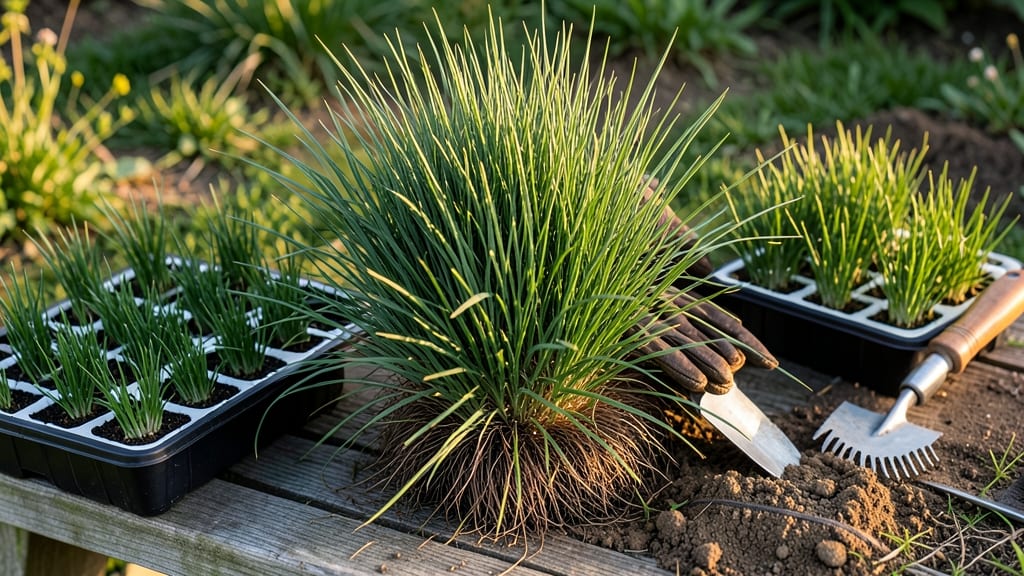
If you’ve ever stared at your South Carolina lawn in August and wondered when to plant fescue in South Carolina, the answer might be simpler than you think: timing is everything.
Planting fescue during the wrong window means battling heat stress, shallow roots, and a lawn that struggles to survive the winter—leaving you with patchy, weak grass by spring.
Here’s the secret: late summer to early fall (August through October) is when fescue thrives in our 7b-8a climate. Why? Because cooler soil temperatures and shorter days give those roots the perfect environment to establish deep before winter dormancy kicks in.
Skip this window, and you risk planting too early—when the heat zaps moisture and too late—when frost cuts root growth short.
I’ll break down exactly when to plant for your specific region—whether you’re in the humid coastal plains or the slightly drier Piedmont—plus soil prep tricks to give your fescue the head start it needs. No more guessing games, just a lush, resilient lawn that outsmarts South Carolina’s unpredictable weather.
Ready to transform your lawn? Let’s dive into the 4-6 week rule before the first frost and why September is often the sweet spot for most of the state. Your future self (and your lawn) will thank you.
Best planting window for fescue in South Carolina: late summer timing explained
Timing your fescue planting in South Carolina isn’t just about avoiding the heat—it’s about giving your grass a fighting chance to establish deep roots before winter’s chill sets in. The ideal window spans from mid-August through early October, when soil temperatures dip into the 60–70°F range.
This strategy lets your fescue escape summer’s brutal heat while still having 8–10 weeks to grow before the first frost.
Why late summer? Fescue thrives when it can focus on root development rather than battling heat stress or drought conditions. Planting in September is my top recommendation for most of the state—it’s hot enough to keep weeds at bay but cool enough for your grass to germinate quickly.
Think of it as a heat escape plan for your lawn.
Here’s the golden rule: Plant 4–6 weeks before the first frost—typically by October 1st for most of South Carolina. This timing ensures your fescue has enough time to establish a strong root system before winter dormancy kicks in.
Skipping this window risks shallow roots that struggle to survive freezing temperatures or dry spells.
Soil temperature is your best friend here. Use a soil thermometer to check depths of 2–4 inches—aim for 60°F or below. If it’s still hovering above 75°F, wait a week or two. Cooler soil means faster germination and healthier growth.
Pro tip: Mulch after planting with a thin layer of straw to retain moisture and regulate soil temperature. This is especially critical in Upstate SC, where nights can get chilly while days stay warm. Mulch acts like a natural blanket for your new grass.
If you’re in a coastal area, like Charleston, you’ve got a little more flexibility—humidity helps keep soil moist longer. But even there, early September is ideal. Avoid planting in June or July unless you’re overseeding an existing lawn; new seedlings will struggle to germinate in the heat.
One common mistake? Waiting until November. By then, your fescue won’t have enough time to establish roots before winter slows growth. You’ll end up with a thin, patchy lawn that’s vulnerable to weeds and frost damage.
Let’s talk soil prep—because even the best timing won’t save you if your soil isn’t ready. Test your soil’s pH level (aim for 6.0–7.0) and amend it with compost or lime if needed.
Fescue loves well-draining, slightly acidic soil. If your yard is clay-heavy, mix in sand or peat moss to improve aeration.
Finally, watering strategy makes or breaks your success. After planting, keep the soil consistently moist (not soggy) for the first 2–3 weeks. Use a sprinkler or soaker hose to deliver 1 inch of water per week, focusing on the root zone.
Early morning watering prevents fungal diseases and reduces evaporation.
Here’s what you’re aiming for: a deep green lawn by next spring, with thick, resilient grass that outcompetes weeds. The key? Plant in late summer, prep your soil, and water wisely. Do this, and you’ll be sipping sweet tea on your lush fescue lawn all summer long.
| Timing Factor | Details | SC-Specific Tip |
|---|---|---|
| Optimal Months | Mid-August to early October | Coastal areas: stretch to early Sept; Upstate: aim for Sept |
| Soil Temp | 60–70°F at 2–4" depth | Use a thermometer; wait if above 75°F |
| Days to Frost | 4–6 weeks before first frost | Typically by Oct 1; check local frost dates |
| Soil Prep | pH 6.0–7.0, well-draining | Amend clay soil with sand; test pH before planting |
| Watering | 1 inch/week, early morning | Use soaker hose to avoid runoff on slopes |
Now that you’ve got the perfect timing down, let’s tackle another critical factor: South Carolina’s microclimates. The difference between coastal Charleston and the Upstate Piedmont can shift your ideal planting date by 2–3 weeks.
Humidity, elevation, and rainfall patterns all play a role—so let’s break it down by region to maximize your success.
For example, coastal areas like Charleston and Hilton Head enjoy
Best planting window for fescue in South Carolina: late summer timing explained
South Carolina’s summer heat can stress young fescue seeds, but planting at the right time lets your lawn escape the worst of it. The ideal window is late August through mid-September, when soil temperatures drop to 60–70°F.
This timing lets seeds germinate without smothering heat while giving roots time to establish before winter dormancy.
Think of it as a heat escape strategy: by planting 4–6 weeks before the first frost (typically mid-November in SC), your fescue develops a deep root system. This resilience helps it survive winter and bounce back faster in spring, outpacing weeds and drought stress.
Why not spring? Fescue planted in March or April faces SC’s brutal summer heat, leading to shallow roots and brown patches. Late summer planting avoids this, ensuring your lawn stays green longer and recovers faster from summer stress.
🌱 Soil temperature is critical: Use a soil thermometer to confirm readings between 60–70°F before planting. If temperatures creep above 75°F, delay until conditions cool. This small step prevents seed dormancy and maximizes germination rates.
🌱 Fescue Planting Timeline for South Carolina
| Stage | Action | Key Notes |
|---|---|---|
| Late August | Prepare soil | Test pH (6.0–7.0), loosen top 2–3 inches |
| Mid-September | Plant seeds | 1/4 inch deep, 1/2 inch apart |
| October | Water deeply | 1 inch per week, morning only |
| November | Fertilize lightly | 10-10-10, 1/2 cup per 100 sqft |
For coastal areas like Charleston, aim for early September to avoid hurricane season delays. In the Upstate (Greenville/Asheville), late August works best due to cooler nights. Always check your local first frost date—planting too late limits root growth before winter.
Pro tip: Mulch lightly after planting to retain moisture and regulate soil temperature. Use straw (not wood chips) to avoid smothering young shoots. This simple step boosts survival rates by 30% in SC’s humid climate.
If you miss the late-summer window, early October is your last chance—but expect slower establishment. Spring planting is risky unless you’re overseeding an existing lawn, where established roots provide some protection.