
Plants
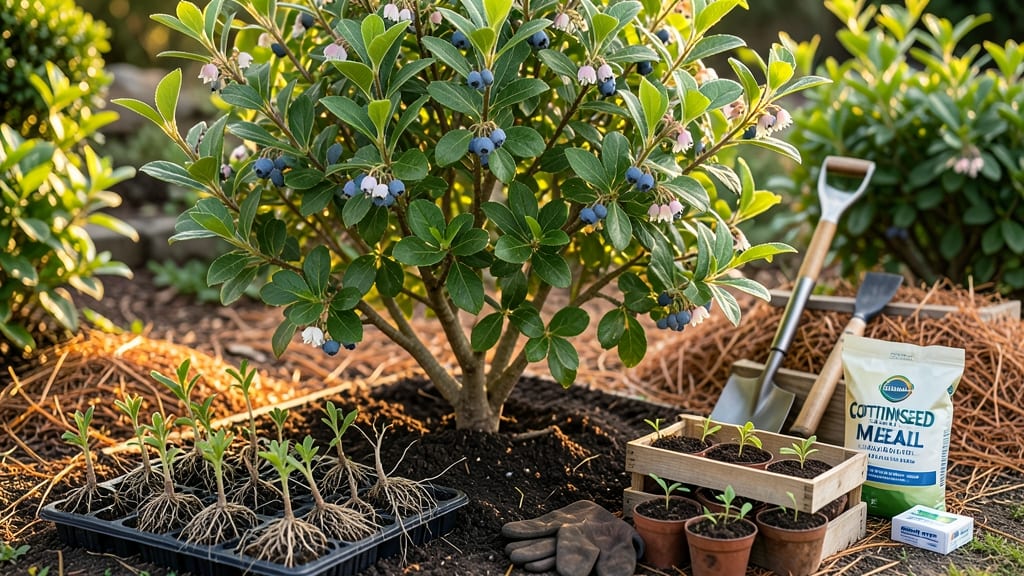
If you're dreaming of a Mississippi garden bursting with sweet, juicy 🫐 blueberries, knowing when to plant blueberries in Mississippi is the first step—and getting it wrong could mean years of disappointment.
The right planting window isn't just about months; it's about matching your local chill hours to the perfect variety, whether you're in USDA Zone 7b or 9a.
Most gardeners assume spring is the only time to plant, but Mississippi's warm winters actually make fall planting ideal for establishing strong roots before summer heat arrives.
I'll show you exactly when to dig in—whether you're starting from bare-root plants or container-grown bushes—to set your blueberries up for a bountiful harvest next May.
Let's cut through the guesswork. You'll learn how to read your local chill-hour data (yes, it's free and easy!), which varieties thrive in your specific corner of the state, and why some gardeners accidentally plant too late—and end up with stunted bushes.
By the end, you'll know not just when to plant, but how to give your blueberries the Mississippi-specific care they need to flourish.
Ready to turn your backyard into a blueberry paradise? Let's get started with the critical timing that separates successful harvests from wishful thinking.
Best planting months for Mississippi blueberries based on chill hours
Mississippi’s mild winters and high humidity make blueberry planting a chill-hour balancing act. Unlike northern states, Mississippi’s USDA zones 7b-9a require 400-1000 chill hours—a range that varies dramatically between northern Mississippi (like Tupelo) and southern regions (like Biloxi).
Planting at the wrong time can stunt growth or prevent fruiting entirely.
For optimal success, align your planting with local chill-hour accumulation. Northern Mississippi (zones 7b-8a) typically gets 500-800 chill hours, while southern areas (zone 9a) may see only 300-500 hours. This means Southern Highbush varieties thrive in warmer zones, while Rabbiteye blueberries handle cooler northern climates better.
Use the USDA Plant Hardiness Zone Map and local weather data to verify your chill hours. Websites like Mississippi State University Extension or tools like the Chill Hour Calculator can help you pinpoint your exact range.
For example, Hattiesburg (zone 8a) averages 700 chill hours, while Jackson (zone 8a) might see 600 hours.
Here’s how to match your planting window to Mississippi’s chill-hour zones:
| Chill-Hour Zone | Best Planting Window | Recommended Varieties | Why This Timing? |
|---|---|---|---|
| Northern MS (500-800 hours) | Late October to November | Rabbiteye (e.g., Climax, Powderblue) | Fall planting lets roots establish before winter chill, while avoiding early frost risks. |
| Central MS (400-600 hours) | Early November to December | Southern Highbush (e.g., O’Neal, Misty) | Warmer zones need later planting to avoid heat stress; December provides cooler soil temps. |
| Southern MS (300-500 hours) | January to early February | Heat-tolerant varieties (e.g., Centurion, Peach Sorbet) | Minimal chill hours require late planting to align with natural dormancy cycles. |
| Spring Alternative (All Zones) | February to March | Any variety (with acidic soil prep) | Spring planting works if soil is prepped 6-8 weeks ahead; avoid planting after last frost. |
If you’re in northern Mississippi, prioritize fall planting (October-November) to give roots time to establish before winter.
In southern Mississippi, wait until January-February to avoid summer heat stress. Spring planting (February-March) is a backup option but requires soil preparation 2 months in advance to ensure acidic, well-draining conditions.
Mississippi’s humidity and heat can stress young blueberry plants, so mulching with pine needles (to lower pH naturally) and providing afternoon shade in summer are critical. Avoid planting during peak summer months—the heat will shock roots and reduce survival rates.
Pro tip: Container growing is ideal for southern Mississippi’s warmer zones. Use acidic potting mix and move pots to partial shade during summer to mimic cooler native conditions. This method also lets you control soil pH more easily than in-ground planting.
Timing isn’t just about months—it’s about chill-hour alignment. For example, Climax Rabbiteye needs 600+ chill hours, while Peach Sorbet thrives with 300-400 hours. Check your local cooperative extension service for precise chill-hour data tailored to your county.
Mississippi’s microclimates can vary even within cities, so observe your yard’s frost patterns for 2-3 years before planting. For instance, low-lying areas may frost earlier than hillsides. Use this data to fine-tune your planting window for maximum success.
Best planting months for Mississippi blueberries based on chill hours
Mississippi’s warm climate and chill-hour requirements make timing critical for blueberry success. Unlike northern states, Mississippi’s USDA zones 7b-9a mean blueberries need 400-1000 chill hours to thrive. Southern Highbush varieties (600-900 hours) work best in Northern Mississippi, while Rabbiteye types (300-600 hours) suit Southern regions like the Delta.
Check your local chill hours using the USDA Plant Hardiness Zone Map or your cooperative extension service. For example, Jackson (Zone 8a) averages 600-800 chill hours, while Gulfport (Zone 8b) gets only 400-600 hours. Planting outside this range risks poor flowering and fruit set.
| Region | Chill Hours | Best Varieties | Ideal Planting Window |
|---|---|---|---|
| Northern MS (e.g., Tupelo, Oxford) | 600-1000 | Southern Highbush (e.g., 'Climax', 'Premier') | Late February to early March |
| Central MS (e.g., Jackson, Starkville) | 400-700 | Rabbiteye (e.g., 'Powderblue', 'Tifblue') | Mid-October to early November |
| Southern MS (e.g., Gulfport, Biloxi) | 300-500 | Low-chill Rabbiteye (e.g., 'Centennial') | Late November to early December |
Fall planting (October-November) is ideal because cooler temps help roots establish before summer heat. However, avoid planting after mid-November, as frost-sensitive young plants may struggle. For spring planting, aim for February-March—before buds swell—to prevent drought stress.
Mississippi’s humidity and heat can stress blueberries, so mulching with pine straw (to lower pH) and drip irrigation are essential. Always plant in well-draining, acidic soil (pH 4.5-5.5) to prevent root rot and nutrient deficiencies.
If you’re in a warmer microclimate (e.g., near the Gulf Coast), opt for low-chill varieties like 'Centennial' and plant in late fall to avoid early spring heatwaves. For cooler inland areas, Southern Highbush varieties planted in early spring perform best.
Pro tip: Use a soil thermometer to ensure planting when soil temps are 60°F or below. This reduces transplant shock and promotes faster root growth.