
Trees
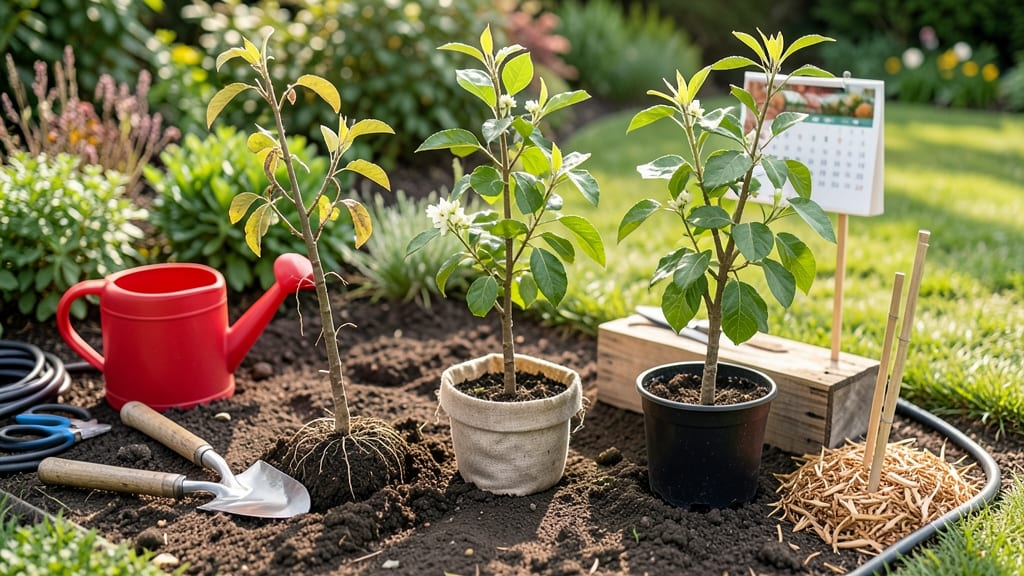
The best time to plant fruit trees in California isn’t just about the calendar—it’s about matching your region’s chill hours to the right variety. Get it wrong, and you might end up with a tree that struggles to fruit or worse, never survives the first winter.
California’s diverse microclimates mean coastal areas have milder winters, while inland zones can freeze hard, and each fruit tree has specific needs.
I’ve seen firsthand how a single month’s difference can mean the difference between a thriving orchard and years of disappointment. Whether you’re planting citrus in San Diego or stone fruits in the Central Valley, understanding your local chill-hour zone is the key to success.
Let me break down exactly when to plant based on your specific region.
Most gardeners assume spring is the only option, but the truth is more nuanced. Coastal areas can plant as early as late fall, while inland zones often wait until early spring to avoid frost damage.
We’ll cover the best months for each climate type and how to prepare your soil for maximum root growth.
Ready to plant with confidence? I’ll show you how to choose the perfect timing for your fruit trees, avoid common mistakes, and set your orchard up for years of bountiful harvests. Let’s get started.
California planting zones by chill hours: matching fruit trees to your region
California’s diverse climate means one-size-fits-all planting advice won’t work for fruit trees. The state spans USDA zones 7-11, but chill hours (the number of hours below 45°F needed to trigger flowering) are the real game-changer.
For example, apricots need 300-500 chill hours, while peaches thrive with 500-800 hours. Planting outside these ranges risks poor fruit set—or no fruit at all.
Northern California (e.g., Sacramento Valley) gets 1,000+ chill hours, perfect for apples, pears, and cherries. Meanwhile, coastal areas like San Diego see 0-200 chill hours, limiting you to citrus, olives, and figs.
Even within regions, elevation matters: Mount Shasta’s high zones (7-8) support apricots and plums, while Central Valley’s lower elevations (9-10) favor stone fruits and persimmons.
Here’s how to match your location to the right trees using chill hours + USDA zones:
| Chill-Hour Zone | USDA Zones | Best Fruit Trees | Notes |
|---|---|---|---|
| 1,000+ hours | 7-8 | Apples, Pears, Cherries, Plums | Northern CA mountains, foothills |
| 500-900 hours | 8-9 | Peaches, Nectarines, Apricots, Plums | Central Valley, Sierra foothills |
| 300-500 hours | 9-10 | Persimmons, Pomegranates, Figs, Loquats | Coastal CA, inland valleys |
| 0-200 hours | 10-11 | Citrus, Olives, Avocados, Pomegranates | Southern CA, desert regions |
For citrus trees, chill hours aren’t a concern—they hate frost. But stone fruits (peaches, plums) need 300+ chill hours to flower.
If you’re in a low-chill zone (e.g., Los Angeles), opt for low-chill varieties like ‘Flame’ nectarine (200 hours) or ‘Improved Meyer’ lemon, which tolerates brief cold snaps.
Pro tip: Check your local Cooperative Extension office for precise chill-hour data. For example, Sacramento averages 800 chill hours, while San Francisco gets only 250 hours. Planting a peach tree in SF? It’ll likely leaf out but never fruit.
Soil type also plays a role. Citrus thrives in sandy, well-draining soil, while apples prefer loamy, slightly acidic soil (pH 6.0-6.5). Before planting, test your soil and amend it to match your tree’s needs.
For example, Central Valley clay can suffocate stone fruit roots, so mix in compost or sand.
Timing matters beyond chill hours. Bare-root trees (sold dormant) should be planted in late winter or early spring (February-March) when roots are active but before bud break. Container-grown trees, however, can go in year-round, but spring or fall is ideal to avoid heat stress.
If you’re in a transition zone (e.g., San Diego County with 300-500 chill hours), consider heat-tolerant varieties like ‘Sugar Belle’ peach or ‘Black Diamond’ fig. These adapt better to warmer winters and longer growing seasons.
Remember: Microclimates rule in California. A north-facing slope in Napa Valley might get 200 more chill hours than a south-facing yard just a mile away. Use this to your advantage—plant chill-sensitive trees in cooler microclimates.
Finally, water deeply after planting to encourage root growth. In drought-prone areas like Southern California, mulch heavily to retain moisture. For high-chill zones, prioritize spring irrigation to prevent summer drought stress.
Best months to plant fruit trees in California’s coastal vs. inland climates
California’s diverse microclimates mean the best planting months for fruit trees vary dramatically. Coastal areas like San Diego enjoy mild winters, while the Central Valley faces intense summer heat.
Even mountain regions like Sierra Nevada have cold winters that demand different timing. Understanding these differences ensures your tree establishes strong roots before extreme weather hits.
For coastal California (USDA zones 9–11), the ideal window is late winter to early spring—February through March. This timing avoids late-season frosts while giving trees time to root before summer’s dry heat.
Citrus trees, like Valencia oranges, thrive when planted in warm, frost-free soil, so wait until the last frost date has passed (usually mid-February in most coastal areas).
In inland regions (like the Central Valley and San Joaquin Valley), aim for November through January.
These areas experience hot summers and cold winters, so planting in dormant season lets trees focus on root growth before active growth resumes. Peach and apricot trees, which need chill hours, benefit from this timing to avoid spring frost damage.
Mountain regions (e.g., Foothills or Sierra Nevada) have the shortest window—late winter to early spring, typically February to March. These areas often see late frosts into April, so planting too early risks root damage. Apple and pear trees, which require 500+ chill hours, should be planted when soil is workable but not frozen.
🌱 Numbered Planting Highlights by Region
- Coastal (Zones 9–11): Plant citrus and olives in Feb–Mar after last frost.
- Central Valley (Zones 8–9): Plant peaches/apricots in Nov–Jan during dormancy.
- Mountain Foothills (Zones 6–7): Plant apples/pears in Feb–Mar before buds swell.
- Bare-Root Trees: Plant immediately upon arrival (soil should be cool but workable).
- Container Trees: Plant anytime soil isn’t frozen, but spring is best for root recovery.
Timing also depends on whether you’re planting bare-root or container-grown trees. Bare-root trees must go into the ground immediately—they can’t wait for perfect soil conditions. Container-grown trees, however, offer more flexibility and can be planted year-round (except in frost or extreme heat).
For both types, water deeply after planting to eliminate air pockets and encourage root contact with soil.
One critical rule applies statewide: avoid planting during heatwaves or droughts. Stress from high temperatures or dry soil can stunt root growth, leaving trees vulnerable to pests or disease.
If you miss the ideal window, late fall (October–November) is a secondary option for inland areas, as long as the ground isn’t frozen. Just be prepared for slower root establishment before winter.
Pro tip: Check your local Cooperative Extension office for hyper-local frost dates—even a 5-mile difference can shift your planting window by weeks. With the right timing, your fruit tree will reward you with years of harvests instead of struggling to survive. 🌳