
Plants
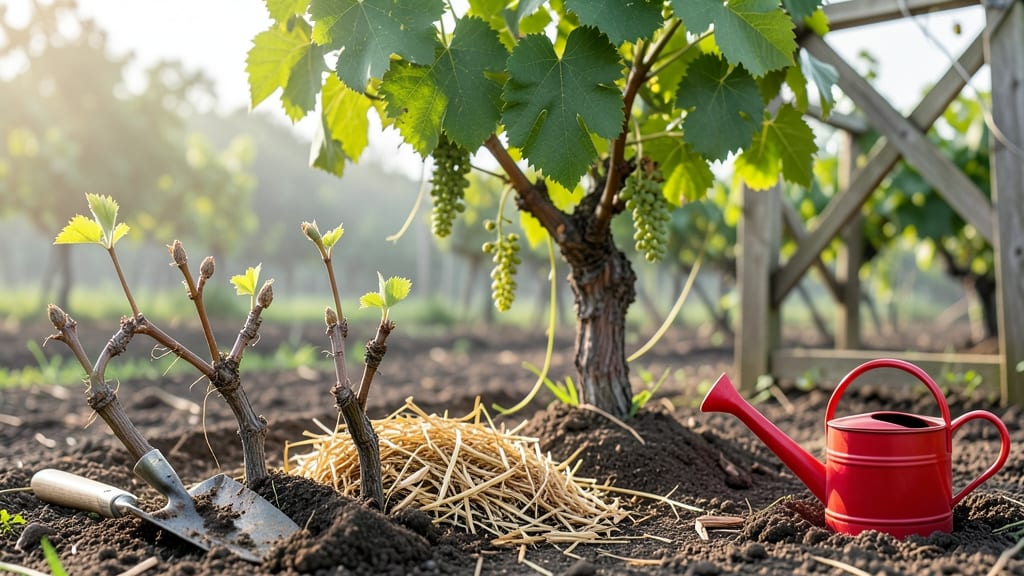
If you’ve ever dreamed of growing your own 🍇 grapes in Arizona (AZ), timing your planting could make or break your harvest. The key isn’t just picking a random month—it’s matching your grape variety to Arizona’s unique chill hours and seasonal shifts, especially in USDA Zone 9b.
Planting too early risks frost damage, while waiting too long means your vines won’t establish strong roots before summer’s brutal heat. The sweet spot? Late fall to early winter—November through February—when cooler temps give young roots a fighting chance.
But here’s the catch: not all grapes thrive equally in the desert. Some varieties need minimal chill hours, while others crave a little more winter chill to produce fruit.
I’ll break down the best planting windows for your specific grape type, so you can avoid common mistakes and set your vineyard up for success.
Ready to turn your Arizona backyard into a grape-growing powerhouse? Let’s dive into the exact steps to time your planting perfectly—and keep your vines happy through harvest season.
Arizona grape planting calendar by chill-hour requirements
Arizona’s grapes thrive when planted during their dormant season, typically November through February. This timing aligns with cooler temperatures and avoids the brutal summer heat. However, not all grape varieties have the same needs—chill hours (the number of hours below 45°F) determine when you should plant.
Low-chill varieties (like Thompson Seedless) need fewer hours, while wine grapes often require 300+ chill hours.
In Arizona, low desert areas (like Phoenix) have 0-300 chill hours, while high desert regions (such as Flagstaff) may reach 500+ chill hours. Matching your grape variety to your local chill-hour zone ensures healthy growth and fruit production.
For example, Muscadine grapes (a heat-tolerant variety) thrive in low-chill zones, while Cabernet Sauvignon may struggle unless planted in cooler microclimates.
Here’s a quick reference to help you align your planting with Arizona’s chill-hour zones and ideal months:
| Variety Type | Chill-Hour Needs | Best Planting Months | Arizona Suitable Zones |
|---|---|---|---|
| Table Grapes (e.g., Thompson Seedless) | 0-200 hours | November–February | Low desert (Phoenix, Tucson) |
| Raisin Grapes (e.g., Flame Seedless) | 200-300 hours | December–January | Low to mid desert |
| Wine Grapes (e.g., Tempranillo, Grenache) | 300-500 hours | January–February | High desert (Flagstaff, Prescott) |
| Heat-Tolerant Varieties (e.g., Muscadine, Black Spanish) | 0-100 hours | November–December | All desert zones |
For low desert areas, aim to plant bare-root vines in November or December to give roots time to establish before the heat arrives. In higher elevations, you can extend planting into February, but avoid late spring planting—new vines won’t survive the summer heat.
Temperature is another critical factor. Plant when daytime highs are below 70°F and nighttime lows dip into the 40s. Use a soil thermometer to monitor conditions—ideal planting soil temps are 50-60°F.
If you’re in a warmer microclimate, opt for shade cloth during the first few weeks to protect young vines.
Once planted, mulch heavily with straw or wood chips to retain moisture and regulate soil temperature. This is especially important in Arizona’s arid climate, where water stress can stunt young grapevines. Pair this with a drip irrigation system to deliver water directly to the roots, minimizing evaporation.
Timing isn’t just about the calendar—it’s also about soil preparation. Test your soil’s pH (6.0-7.0) and amend it with compost or aged manure before planting. Grapes hate compacted or waterlogged soil, so incorporate sand or perlite if your soil is clay-heavy.
In sandy soils, add organic matter to improve water retention.
Pro tip: If you’re planting wine grapes in Arizona, consider rootstocks like Ramsey or 110 Richter. These are bred to tolerate heat and poor soil, giving your vines a fighting chance in the desert. Pair them with disease-resistant scions to avoid common Arizona issues like powdery mildew.
Finally, remember that grafted vines (common in commercial grape growing) have different timing needs than bare-root plants. Grafted vines should be planted 1-2 weeks earlier to allow the graft union to heal before summer stress sets in. Always check the nursery’s planting guidelines for specific varieties.
How to adjust planting timing for Arizona’s microclimates
Arizona’s diverse elevations create microclimates that dramatically impact grape planting success. The low desert (Phoenix area) has warmer winters and longer growing seasons, while the high desert (Flagstaff) experiences cooler temperatures and shorter frost-free periods.
Understanding these differences helps you select the right planting window and grape varieties for your location.
In the low desert, where USDA Zone 10a dominates, you can safely plant heat-tolerant varieties like Thompson Seedless or Black Monukka as late as February. The soil warms quickly, reducing frost risk, but drought stress becomes a concern by March.
Meanwhile, in the high desert (Zone 7b), November is your best bet to avoid late-season frosts that can damage young vines.
Key Temperature Adjustments by Elevation
- Low Desert (0-2,000 ft): Plant Feb-March for early root establishment before summer heat (avg. 100°F+ by June). Use mulch to retain moisture.
- Mid Desert (2,000-4,000 ft): Ideal Nov-Dec planting aligns with cooler temps (40-60°F) and higher humidity from monsoons.
- High Desert (4,000+ ft): Stick to Oct-Nov to avoid frost risk (avg. 32°F lows in Dec). Choose cold-hardy varieties like Concord or Niagara.
Soil type also plays a critical role in adjusting your planting schedule. Sandy soils in the Sonoran Desert drain quickly, requiring earlier planting (November) to capture winter moisture. Clay soils in the Salt River Valley retain water longer, allowing February planting with drip irrigation support.
Always test your soil’s drainage before planting—poor drainage can suffocate roots in Arizona’s intense heat.
Your irrigation method should match your microclimate. In low-desert urban areas, drip irrigation with soaker hoses delivers water directly to roots, reducing evaporation and allowing later planting (March).
In rural high-desert zones, flood irrigation may be necessary but risks overwatering, so November planting gives roots time to establish before summer dryness.
Don’t overlook heat-tolerant varieties as your secret weapon. For low deserts, prioritize Muscadine or Crimson Seedless, which thrive in 110°F+ heat. In high deserts, Flame Seedless or Black Rose handle temperature swings better.
Always check a variety’s chill-hour requirements—some need 0-300 hours, while others demand 500+ hours.
Pro tip: Use shade cloth during the first 60 days after planting in low-desert areas to protect young vines from intense afternoon sun. This simple trick can double survival rates and let you push planting into early March safely.
Pair it with mycorrhizal fungi in the soil to boost root growth during Arizona’s short winter window.