
Trees
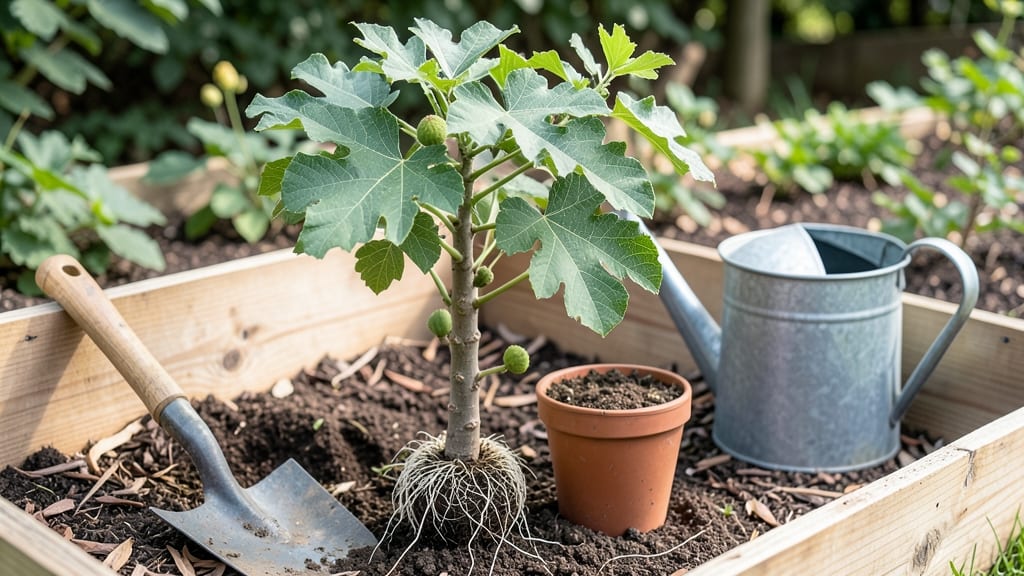
Planting a fig tree 🌳 in Georgia might seem like a no-brainer—warm weather and rich soil make it seem perfect. But if you plant at the wrong time, your tree could struggle or even die before it bears fruit.
The key is knowing when Georgia’s frost-free windows open and how to work with your specific zone, whether you’re in Atlanta’s 7b or Savannah’s 8b.
Most gardeners swear by late winter to early spring (February–March) or early fall (September–October) as the ideal times. But here’s the catch: Georgia’s diverse microclimates mean frost dates can vary by weeks.
In colder pockets like the Piedmont, you’ll need to wait until after March 15, while coastal areas can start earlier. I’ll break down the exact months that work—and why timing matters more than you think.
If you’re growing heat-loving varieties like ‘Brown Turkey,’ you might push the envelope into November, but there’s a fine line between extending the season and risking frost damage. The good news? With the right soil prep and post-planting care, you can give your fig tree the best possible start.
Let’s dive into the frost-free windows and planting strategies that actually work in Georgia’s climate.
Ready to avoid common mistakes and set your fig tree up for a bountiful harvest? You’ll learn how to time your planting for optimal root growth, when to fertilize, and even how to protect young trees in marginal zones. Let’s get started.
Georgia’s frost-free zones: where and when to plant fig trees by region
Georgia’s diverse climate—from the humid coastal plains to the Piedmont’s rolling hills—creates microclimates that affect fig tree planting. Most of the state falls within USDA Zones 7b-8b, but frost dates vary wildly.
For example, Savannah’s last frost averages March 1, while Atlanta’s can linger until March 15. Understanding these zones helps you pick the perfect planting window for your fig tree variety.
Fig trees thrive in Georgia’s warmth but struggle with early frosts. In Zone 7a (north Georgia mountains), cold snaps can kill young trees, while Zone 8b (coastal areas) offers longer growing seasons.
Container-grown figs give you flexibility—you can move potted trees indoors during winter freezes, extending your growing season.
Here’s how to match your planting timing to Georgia’s regions:
| Region | USDA Zone | Last Frost Date | First Frost Date | Best Planting Window |
|---|---|---|---|---|
| North Georgia (Dahlonega, Blue Ridge) | 7a-7b | March 15-April 1 | November 1-15 | Late April-May or September |
| Atlanta/Piedmont (Athens, Macon) | 7b-8a | March 1-15 | November 10-20 | March-April or September-October |
| Central Georgia (Columbus, Warner Robins) | 8a-8b | February 28-March 10 | November 1-15 | February-March or August-September |
| Coastal Georgia (Savannah, Brunswick) | 8b | January 31-February 15 | November 15-December 1 | January-February or September-October |
If you’re in Zone 7a, opt for ‘Celeste’ or ‘Desert King’ figs—they tolerate cooler temps better than ‘Brown Turkey’ or ‘Osborn Prolific’. For containers, plant in late spring (May) to avoid winter damage, then move pots to a sunny porch when temps drop below 30°F.
Soil temperature matters more than air temperature. Use a soil thermometer to confirm 60°F+ before planting—fig roots need warmth to establish. In Atlanta’s Piedmont, wait until mid-April for in-ground planting, but coastal Savannah gardeners can start as early as February.
One common mistake? Planting too early in Zone 7a. Young fig trees can’t handle late spring frosts, even if the air feels warm. Always check your local Almanac frost dates and adjust by 2-3 weeks for safety.
For container growing, timing is flexible—just ensure your pots have drainage holes and use well-draining soil. Move containers to ground level in summer for better heat absorption, then elevate them in fall to protect roots.
Pro tip: Mulch heavily (4-6 inches) around your fig tree in winter to insulate roots. Use straw or pine needles—they break down slowly and add organic matter. This extra layer can mean the difference between a frost-killed sapling and a thriving tree.
🌱
Best months to plant fig trees in Georgia: a month-by-month guide
Georgia’s fig tree planting window spans two key seasons: late winter/early spring and early fall. Each offers unique advantages—spring gives roots time to establish before summer heat, while fall planting lets trees settle before winter dormancy. But timing matters more than you’d think, especially in Georgia’s diverse microclimates.
The absolute best months for planting fig trees in Georgia are September and October, when soil stays warm but nights cool down. This gives young trees enough time to root before winter.
However, if you’re in Zone 8b (coastal areas), you can push planting into November—just be ready to protect them if frost sneaks in early.
For spring planting, aim for February to early March after the last frost date (usually March 15 in most of Georgia). Planting too early risks cold snaps, while waiting too late means summer heat stress before roots establish.
I’ve seen gardeners in Atlanta (Zone 7b) struggle when they plant in late March—their trees wilted under 90°F+ soil before roots could catch up.
Here’s the breakdown of what to expect each month, including soil temperatures, rainfall patterns, and pest risks:
- 1 August: Risky but possible in Zone 8b (coastal). Soil temps stay above 75°F, but hurricane season increases wind damage risks. Only attempt if using container growing with mobility.
- 2 September: Ideal month for most of Georgia. Soil temps hover around 70-80°F, and rainfall increases, reducing stress. Plant bare-root trees or potted figs before September 15 for best results.
- 3 October: Peak planting time. Cooler nights (60-70°F) and lower pest activity make this the safest bet. Add mulch to insulate roots if early frost threatens.
- 4 November: Only for Zone 8b (e.g., Savannah). Soil temps drop below 60°F, slowing root growth. Use black plastic mulch or row covers to extend the season.
- 5 February: Early spring window opens. Soil temps rise above 55°F, but late frosts (after March 15) can still occur. Choose hardy varieties like ‘Celeste’ for Zone 7a.
- 6 March: Last chance for spring. Plant by March 15 to avoid summer heat stress. Water deeply 2-3 times per week until roots establish (usually 6-8 weeks).
Spring vs. fall planting isn’t just about months—it’s about soil conditions. In spring, focus on well-draining soil and mulching to retain moisture. Fall-planted trees benefit from autumn rains, but you’ll need to protect roots if winter temps dip below 20°F.
I’ve found that container-grown figs in Zone 7a thrive when planted in late September and moved to a garage or cold frame for winter.
Pro tip: If you’re planting in containers, you can extend your window into April or even May—just ensure the pot has drainage holes and use a lightweight potting mix.
Container figs also let you move trees indoors during frost alerts, giving you flexibility in marginal zones like Dahlonega (Zone 7a).
Remember, the soil temperature is your best guide. Use a soil thermometer to confirm it’s at least 60°F before planting—cold soil can stunt root growth for months.
In Georgia’s humid summers, planting in fall also reduces pest pressure from aphids and scale insects, which thrive in hot, dry conditions.