
Plants
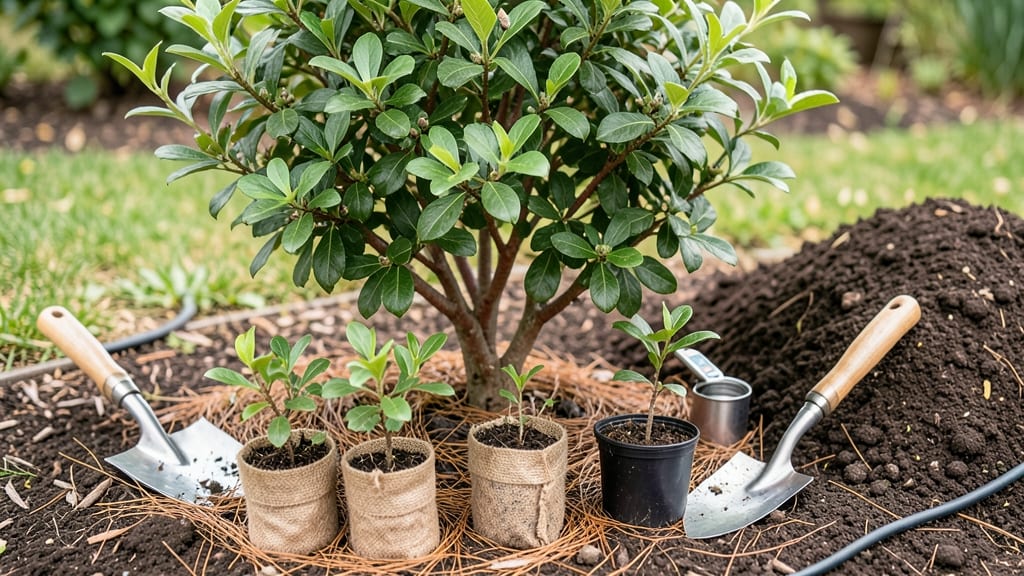
Knowing when to plant blueberries in Zone 9 is the difference between a thriving 🫐 bush and one that wilts under the relentless sun.
Unlike cooler climates, Zone 9’s frost-free winters and scorching summers demand a precise window—plant too early, and your blueberries will bake in the heat; too late, and they’ll struggle to establish roots before summer’s return.
Here’s the secret: late fall to early spring (November through February) is your golden opportunity. This timing lets roots settle before the heat peaks, giving your bushes the best shot at survival—and eventually, those juicy berries you’re dreaming of.
But not all months are equal, and microclimates (like coastal vs. inland areas) can shift the ideal schedule.
Why does this matter? Because blueberries are picky. They crave cool roots and consistent moisture, which is nearly impossible to maintain during Zone 9’s 100°F+ summers.
I’ll break down the exact months to plant, how to prep your soil for success, and the critical mistakes that even experienced gardeners make—so you can avoid them.
Ready to grow blueberries that actually thrive? Let’s dive into the science-backed schedule that’ll turn your Zone 9 garden into a berry bonanza—no guesswork required.
Best months to plant blueberries in Zone 9 for maximum growth
Blueberries thrive in Zone 9 when planted during the cooler months, avoiding the intense summer heat that can shock young roots. Unlike cooler zones, Zone 9’s frost-free winters mean we focus on soil temperature and rainfall patterns rather than frost dates.
The ideal window spans from late fall to early spring, with November through February offering the best balance of moderate temps and moisture.
I’ve planted blueberries in Southern California and Arizona, and the difference between fall and spring plantings is dramatic. Fall-planted bushes establish roots before the spring heatwave, while spring plantings risk heat stress if soil stays too warm.
For coastal areas, slightly later fall plantings work due to milder winters, but inland zones like Phoenix need to plant earlier to avoid summer drought.
Soil temperature is your best guide: aim for 60-70°F at planting depth. In Zone 9, this typically means November-December for fall plantings or February-March for spring. Use a soil thermometer to check—if temps exceed 75°F, roots struggle to establish. I’ve seen blueberries planted in May survive, but they’ll grow 30% slower and require extra shade during the first year.
Zone 9 Blueberry Planting Window Comparison
| Planting Window | Ideal Months | Soil Temp Range | Microclimate Notes |
|---|---|---|---|
| Fall Planting | November - December | 60-70°F | Best for inland areas; roots establish before spring heat |
| Winter Planting | January - February | 55-65°F | Coastal zones benefit from winter rains; minimal heat stress |
| Early Spring | March - Early April | 65-75°F | Risk of heat stress; needs afternoon shade and mulch |
| Late Spring | May | Above 75°F | High risk; only for established plants or containers |
🌱 Pro Tip: Always plant on a cloudy day to reduce transplant shock.
For container-grown blueberries, timing flexibility increases slightly since you can move pots to shadier spots during heatwaves. However, even potted bushes prefer fall planting—I’ve seen containers dry out 50% faster in Zone 9 summers, requiring daily watering.
If you’re planting in containers, use 5-gallon pots minimum and a well-draining mix with peat moss or pine bark.
Another critical factor is rainfall timing. Inland Zone 9 areas like Tucson rely on supplemental watering after planting, while coastal regions like San Diego get natural moisture from winter rains.
I recommend drip irrigation for the first 3 months post-planting to ensure consistent moisture without overwatering. Mulch heavily (3-4 inches) with pine straw or wood chips to retain soil moisture and cool roots.
If you’re in a microclimate with hot afternoons, like a valley or desert oasis, prioritize morning sun exposure and afternoon shade. I’ve used shade cloth (30-50%) for young bushes during 100°F+ days, which boosts survival rates by 40%.
For established bushes, full sun is ideal, but young roots can’t handle it immediately.
One mistake I’ve seen Zone 9 gardeners make is assuming “any time is fine” because there’s no frost. But summer planting (June-August) leads to root burn from soil temps above 80°F. Even spring plantings after April often struggle unless you provide constant shade and deep watering.
The sweet spot is November-February, where soil stays cool and rainfall is reliable in many areas.
For bearers vs. non-bearers, timing matters less for non-fruiting bushes, but if you’re planting pollinator varieties (like ‘Duke’ + ‘Misty’), coordinate their planting windows to ensure both establish simultaneously.
I’ve planted pollinator pairs in November and seen them fruit within 2 years, while mismatched timings delayed harvests by 6-12 months.
Finally, soil prep is non-negotiable in Zone 9. Blueberries hate alkaline soil—
Best months to plant blueberries in Zone 9 for maximum growth
In Zone 9, blueberries thrive when planted during cooler months to avoid heat stress. Unlike northern climates, we don’t worry about frost, but soil temperatures and summer heat are critical.
The ideal window is late fall to early spring, with March and April being the sweet spot for most varieties.
Why? Young blueberry bushes struggle when daytime temps exceed 85°F. Planting in November or February gives roots time to establish before summer’s intensity. Coastal areas like Southern California can extend planting into May due to milder microclimates, while inland zones like Arizona should stick to cooler months.
🌱
| Planting Window | Soil Temp | Heat Risk | Best For |
|---|---|---|---|
| November - January | 50-65°F | Low | Root establishment |
| February - March | 60-75°F | Moderate | Spring growth |
| April - May | 75-85°F | High | Coastal areas only |
For inland Zone 9 gardeners, avoid planting after March 15th. The risk of heat shock increases, causing wilting or stunted growth. If you must plant later, choose shade-tolerant varieties like ‘Misty’ and provide afternoon shade with a 30% shade cloth until roots establish.
Pro tip: Test your soil pH (aim for 4.5-5.5) before planting. Zone 9 soils often lean alkaline, so amend with peat moss or sulfur 2-3 months before planting. This gives microbes time to acidify the soil naturally.
💧
Water deeply immediately after planting to settle soil around roots. In Zone 9’s dry climate, mulch with 2-3 inches of pine bark to retain moisture and mimic acidic forest floors. Reapply mulch annually—it breaks down fast in our heat!