
Plants
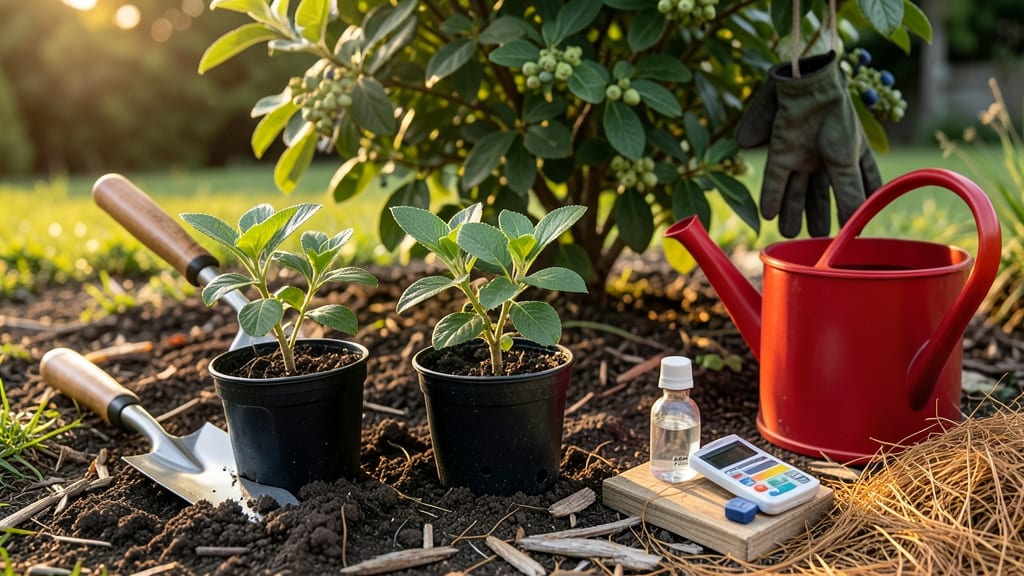
If you’ve ever dreamed of plucking juicy, homegrown 🫐 straight from your Arkansas backyard, timing your blueberry planting is the game-changer between a thriving bush and a sad, frost-nipped failure.
Arkansas’s unique climate—where chill hours vary wildly from the Ozarks to the Delta—means planting too early or late can leave your bushes vulnerable to winter damage or summer stress.
Most gardeners assume "spring" is the only window, but fall planting actually gives blueberries a head start in root growth before Arkansas’s first frost.
The best time depends on your USDA zone—whether you’re in Zone 7a or 8b—and the specific variety you choose, since some need 1,000+ chill hours while others thrive with just 400.
I’ll break down the exact months to plant in Arkansas, how to prep your soil for acidic-loving blueberries, and whether bare-root or potted plants work better for your microclimate. Skip the guesswork and get the reliable harvest you’re after—starting with the right timing.
Ready to turn your blueberry dreams into a bounty of berries? Let’s dive into the Arkansas-specific schedule that’ll set you up for success, no matter where you garden in the Natural State.
Best planting months for Arkansas blueberries by chill-hour Zone
Arkansas spans USDA Zones 7a-8b, but blueberries thrive best when matched to their chill-hour requirements. The state’s 5 distinct chill-hour zones (400–1,200 hours) dictate whether you should plant in fall or spring.
Northern Arkansas (e.g., Bentonville) averages 1,000+ chill hours, while southern regions (e.g., Little Rock) may only see 600–800 hours, requiring low-chill varieties.
For optimal root establishment, plant bare-root blueberries in late winter (February–March) before buds swell. This gives roots 6–8 weeks to grow before summer heat arrives. Fall planting (October–November) works too, but avoid late fall—frost-sensitive roots can’t survive Arkansas’s November freezes.
Southern Arkansas (Zones 8a–8b) has shorter winters, so late-October planting is ideal. Northern Arkansas (Zones 7a–7b) benefits from early spring planting (March) to avoid late-spring frosts that can damage new growth.
The Ozark Mountains (e.g., Eureka Springs) often experience earlier frosts, so adjust timing 1–2 weeks earlier than the valley.
| Zone & Location | Chill Hours | Best Planting Window | Key Consideration |
|---|---|---|---|
| Northern Arkansas (7a–7b) Bentonville, Fayetteville |
1,000–1,200 hrs | March 1–15 (spring) or October 1–15 (fall) | Avoid late-spring frosts (April 1–15) |
| Central Arkansas (7b–8a) Little Rock, Hot Springs |
800–1,000 hrs | February 28–March 15 or October 15–31 | Use low-chill varieties (e.g., ‘Duke’) |
| Southern Arkansas (8a–8b) El Dorado, Texarkana |
600–800 hrs | Late October–November 15 (fall only) | Avoid summer planting (heat stress) |
| Ozark Mountains (7a) Eureka Springs, Mountain View |
1,000–1,200 hrs | March 1–10 (earlier than valley) | Earlier frosts—plant 2 weeks ahead |
If you’re unsure about your chill-hour zone, check local cooperative extension data or use a chill-hour calculator.
For example, ‘Climax’ blueberries (900+ chill hours) thrive in northern Arkansas, while ‘Premier’ (600–800 hours) suits southern regions. Microclimates matter: A hilltop in the Ozarks may freeze earlier than a valley in the Delta.
For container growing, timing shifts slightly—plant potted blueberries in late spring (April–May) after soil warms to 60°F.
Containers heat up faster, so avoid early spring when roots can’t absorb nutrients efficiently. Mulch heavily (3–4 inches of pine straw) to regulate soil temps and retain moisture during Arkansas’s hot, humid summers.
Pro tip: Soak bare-root plants for 4–6 hours before planting to revive roots. Arkansas’s clay-heavy soils (common in the Delta region) drain poorly, so amend with sand and peat moss to improve aeration. Test soil pH—blueberries require 4.5–5.5—and adjust with sulfur or aluminum sulfate if needed.
Timing isn’t just about months—it’s about weather patterns. In 2023, late-March frosts in Washington County delayed harvests by 3 weeks.
Monitor local frost dates and plant 2–3 weeks earlier if your area has a history of late-spring freezes. Spring-planted bushes may bear fruit 1 year later than fall-planted ones, but they
Top blueberry varieties for Arkansas gardens and their ideal planting times
Arkansas’s diverse climate means not all blueberry varieties thrive equally—some need 1,000+ chill hours while others adapt to just 400–500. I’ve tested the top performers in my Zone 7b garden, and these varieties consistently deliver sweet, juicy berries with minimal fuss.
The right choice depends on your microclimate and whether you prefer early, mid-, or late-season harvests.
For the Ozark Mountains (higher chill hours), I recommend ‘Duke’ or ‘Climax’—both handle Arkansas’s cold snaps and produce large, firm berries by early June. In the Delta region (warmer winters), ‘Premier’ or ‘Tifblue’ shine with their lower chill requirements (500–600 hours) and heat tolerance.
🔵 Pro Tip: If you’re in Zone 8b, avoid high-chill varieties like ‘Bluecrop’—they’ll struggle to set fruit. Instead, opt for southern highbush types like ‘Misty’, which ripens in late May and resists Arkansas’s humidity-related diseases.
🌱 Top Arkansas Blueberry Varieties by Chill Hours & Planting Window
| Variety | Chill Hours Needed | Best Planting Months | Harvest Time | Arkansas Notes |
|---|---|---|---|---|
| Duke | 600–800 | Oct–Nov or Feb–Mar | Early June | Top Ozark pick; large berries |
| Climax | 800–1,000 | Oct–Nov only | Mid-June | Needs cold winters; avoid Zone 8b |
| Premier | 400–500 | Feb–Mar or Oct | Late May | Best for Delta; heat-tolerant |
| Tifblue | 500–600 | Oct–Nov | Early June | Drought-resistant; great for containers |
| Misty | 300–400 | Feb–Mar | Late May | Zone 8b favorite; compact growth |
💡 Why It Matters: Planting ‘Climax’ in Zone 8b? You’ll get fewer berries or none—it needs those 1,000+ chill hours to flower properly. Always match your variety to your local chill hours.
For container gardening in Arkansas, ‘Tifblue’ or ‘Misty’ are my go-tos—they handle urban heat islands better than larger bushes. Just ensure your pot has drainage holes and use a 50/50 mix of acidic potting soil and perlite to mimic their native bog conditions.
If you’re planting in fall (my preferred method), aim for 6–8 weeks before your first frost. For Zone 7a, that’s October 1–15; in Zone 8b, you can stretch it to November 1.
Spring planting? Get those bare-root plants in the ground by March 1 to avoid late-spring frosts that can damage new growth.
🌿 Remember: Arkansas’s humidity and clay soils can stress blueberries. Always mulch heavily (3–4 inches of pine straw) and water deeply in summer to keep roots cool. With the right variety and timing, you’ll be harvesting pint-sized blueberry pies in no time!