
Plants
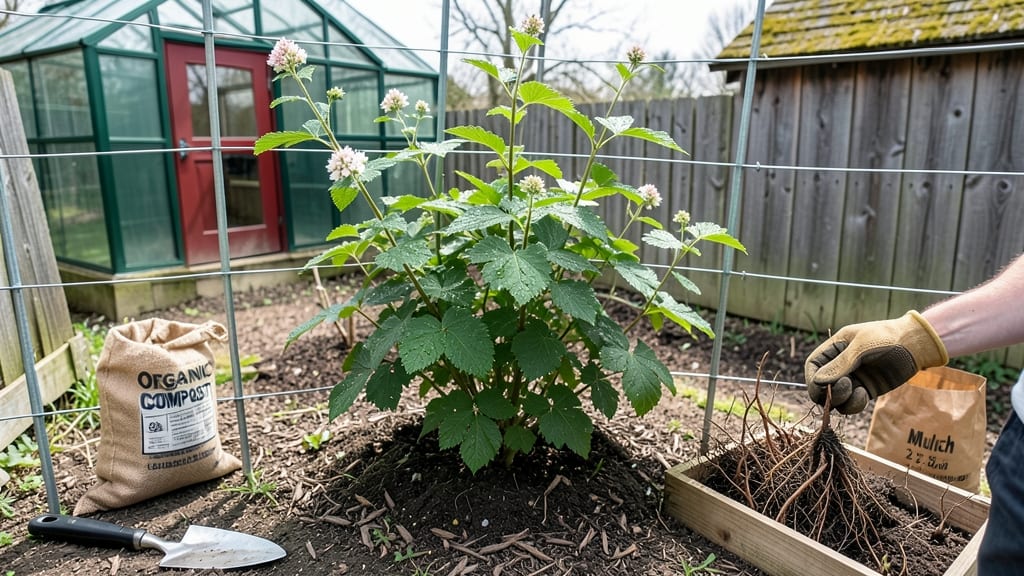
Planting blackberries in Ohio isn’t just about grabbing a few canes and sticking them in the ground—it’s about matching your chill-hour needs to Ohio’s unpredictable frost dates.
The wrong timing can mean weak roots, delayed fruit, or even winter-killed plants, and with Ohio’s Zone 6a climate, getting it right is everything.
Most gardeners assume spring is the only option, but fall planting actually gives blackberries a head start on root growth before winter. The key is planting when soil temps stay above 50°F—typically between March and April for spring or September to October for fall—while avoiding the last frost window.
I’ll show you exactly how to sync your blackberry varieties with Ohio’s chill hours for the best results.
Whether you’re growing Chester thornless or Triple Crown, the right timing can mean the difference between a 5-foot bush and a 10-foot powerhouse. We’ll break down soil prep, frost risks, and even how to adjust for Ohio’s clay-heavy soils to set your blackberries up for success from day one.
Ready to stop guessing and start growing? Let’s dive into the perfect planting window for Ohio’s blackberries—so you can enjoy those juicy 🫐 harvests by mid-summer without the stress.
Ohio’s best planting window for blackberries by chill-hours
Ohio’s Zones 5-6 create a unique challenge for blackberry growers because chill-hour requirements (400-800 hours) must align with frost-free dates. Most Ohio gardeners fall into the 600-700 chill-hour range, which means selecting the right variety and planting window is critical.
For example, Chester and Triple Crown thrive in this range, while Natchez needs slightly fewer chill hours.
Blackberries need 400-800 chill hours to break dormancy, and Ohio’s Zone 6a typically accumulates these between November and March. Planting too early—like in late February—risks frost damage, while waiting too long—like mid-April—can delay root establishment.
The sweet spot? Early spring (March-April) or early fall (September-October) when soil temps are 40-60°F.
Here’s how to calculate your local chill-hour zone: Use the USDA Plant Hardiness Zone Map and cross-reference with Ohio State University’s chill-hour calculator.
Most of northern Ohio (e.g., Cleveland, Toledo) falls into 600-700 chill hours, while southern Ohio (e.g., Columbus, Cincinnati) sits at 500-600 chill hours. This affects which blackberry varieties you can grow successfully.
Spring planting (March-April) gives roots 6-8 weeks to establish before summer heat, but you’ll need to protect young canes if late frosts hit. Fall planting (September-October) allows roots to grow before winter, but avoid planting after October 15th in most of Ohio, as first frosts can damage tender new growth.
For northern Ohio (Zone 5), prioritize early spring planting (March-April) to avoid late frosts. In southern Ohio (Zone 6), fall planting (September) works well because mild winters reduce frost risk.
Always check your last frost date—Ohio’s average is April 15th, but it can vary by 1-2 weeks depending on the year.
If you’re unsure about your chill-hour zone, start with Triple Crown or Chester—they’re the most adaptable to Ohio’s climate. These varieties also handle humid summers and compacted clay soil better than others. For soil prep, amend with compost to improve drainage, as blackberries hate soggy roots.
One common mistake in Ohio is planting bare-root canes too late in spring. If you miss the March-April window, consider container growing until next year.
Containers let you control soil temps and protect roots from temperature swings. Just ensure pots have drainage holes and use a well-draining mix.
For fall planting, focus on root establishment before winter. Water deeply 1-2 weeks after planting and apply 2-3 inches of mulch to insulate roots. Avoid fertilizing in fall—wait until early spring to feed with a balanced 10-10-10 fertilizer. This prevents late-season growth that can’t harden off before frost.
Pro tip: Use a soil thermometer to check temps before planting. Roots struggle in soil colder than 40°F or warmer than 85°F. In Ohio, this usually means avoiding planting after May, as summer heat stresses young plants.
If you’re in Zone 5, aim for late April to give roots time to settle before winter.
Finally, remember that blackberries are perennial, so getting the timing right the first year pays off for years of harvest
Step-by-step planting timeline for Ohio gardeners
Ohio’s spring planting window for blackberries opens in early March but closes sharply by mid-April—after that, you risk late frosts damaging tender new growth. For fall planting, aim for September 15-October 15 to give roots time to establish before winter.
My rule of thumb: Plant when soil temps hit 50°F (10°C) and stay there for 10 days. Use a soil thermometer to check!
Start with soil prep 2-3 weeks before planting. Ohio’s clay-heavy soils need amending with compost or peat moss to improve drainage. Test your soil pH—blackberries thrive in acidic soil (pH 5.5-6.5).
If your soil is too alkaline, add sulfur or pine needles to lower the pH gradually over 2-3 months.
- 🌱 February-March: Test soil pH and amend if needed. Order bare-root canes from nurseries.
- 🪴 Early March: Soak bare-root canes in water for 2-4 hours before planting.
- 📏 March 15-April 15: Plant canes 2 inches deep, spacing 3-4 feet apart in rows 8-10 feet apart.
- 💧 April-June: Water deeply 2-3 times per week (1-2 gallons per plant). Mulch with straw or wood chips to retain moisture.
- ✂️ Late June: Prune dead canes and thin new growth to 6-8 strongest canes per plant.
- 🍇 July-August: Harvest berries when fully black and plump. Fertilize lightly after harvest.
- 🌿 September-October: For fall planting, repeat steps 1-3. Add extra mulch before first frost.
Ohio’s average last frost date is April 15, but northern Ohio (Zone 5) can see frosts into May. To adjust, use frost cloth for the first 2-3 weeks after planting if nights dip below 32°F (0°C).
For fall planting, choose early September in southern Ohio (Zone 6) or mid-September in northern areas to avoid root shock before winter.
After planting, watering consistency is critical. Blackberries need 1-2 gallons per plant weekly during dry spells, but avoid overwatering, which causes root rot. My trick? Use a drip irrigation system set to morning watering (before 10 AM) to reduce fungal risks.
Mulch with 3-4 inches of straw to lock in moisture and suppress weeds.
By June, your blackberries should show new growth. If they’re stunted or yellowing, it’s a sign of poor soil prep or nutrient deficiency. Side-dress with compost tea or a balanced fertilizer (10-10-10) in early July to boost fruit production.
For Ohio’s hot summers, provide afternoon shade with a lightweight shade cloth if temps exceed 90°F (32°C).
Remember: Patience is key—blackberries take 2-3 years to reach full production in Ohio. The first year focuses on root establishment, so resist the urge to harvest. Instead, prune aggressively in late winter (February) to encourage strong new canes for next year’s fruit.
With the right timing and care, your Ohio blackberry patch will reward you with juicy, homegrown berries for decades! 🫐