
Plants
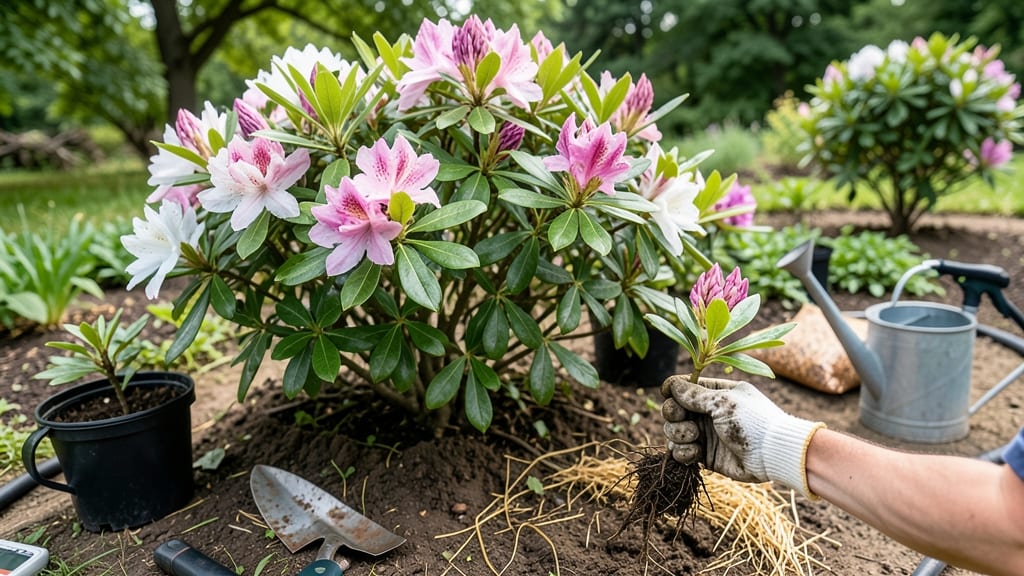
Planting azaleas in Alabama at the wrong time could mean years of waiting for those show-stopping 🌸 blooms—or worse, no flowers at all. The key isn’t just picking a season; it’s matching your azaleas to Alabama’s chill-hour zones (7a-8b) for reliable spring color.
Fall (October–November) is the golden window for most gardeners, but early spring (February–March) works too—if you act before the last frost (around March 15). The difference between these timings can mean the gap between thriving shrubs and struggling transplants.
Why does this matter? Azaleas need time to establish roots before Alabama’s heat kicks in. Plant too late, and you risk transplant shock. Too early, and frost can damage tender new growth. I’ll break down the exact months for your zone and how to prep soil for acid-loving azaleas.
Skip the guesswork and learn how to time your planting for vibrant blooms every spring, no matter where you are in the state. Let’s get those azaleas off to the right start!
Alabama’s azalea planting timeline by chill-hour Zone
Alabama’s azalea planting success hinges on understanding your chill-hour zone. These zones—ranging from 400 to 1,000 hours of temperatures below 45°F—determine when your azaleas will bloom reliably.
In North Alabama (Zone 7a), you’ll need varieties that tolerate 900-1,000 chill hours, while South Alabama (Zone 8b) thrives with 400-600 chill hours. Planting at the wrong time can delay blooms by years—or worse, kill your shrub.
For most of Alabama, the ideal planting window is October through November or February through early March.
Fall planting gives roots time to establish before winter, while spring planting avoids transplant shock during Alabama’s unpredictable weather. Container-grown azaleas can be planted slightly later than bare-root varieties, which need cooler soil to prevent root stress.
In Zone 7a (North Alabama), where winters are colder, aim to plant azaleas by mid-November to allow roots to harden off before frost.
In Zone 8a (Central Alabama), extend your window to early December, while Zone 8b (South Alabama) gardeners should plant by late November to avoid heat stress. Spring planting in these zones should wrap up by mid-March to avoid the last frost, typically around March 15.
| Chill-Hour Zone | Best Planting Months | Azalea Varieties | Key Considerations |
|---|---|---|---|
| Zone 7a (North AL) | Oct 15–Nov 15 Feb 1–Mar 15 |
Rhododendron 'Catawba' 'Pink Pearl' 'Birmingham' |
Cold-hardy; mulch heavily. Avoid late spring planting. |
| Zone 7b (North-Central AL) | Oct 1–Dec 1 Feb 1–Mar 10 |
'Girard's Rose' 'Hershey Red' 'Pocahontas' |
Transition zone; monitor frost dates closely. |
| Zone 8a (Central AL) | Oct 15–Nov 30 Feb 15–Mar 15 |
'Southern Charm' 'Formosa' 'George L. Taber' |
Heat-tolerant; plant in partial shade. |
| Zone 8b (South AL) | Nov 1–Dec 15 Feb 20–Mar 10 |
'Oconee' 'Tifhea' 'Hilliard's Yellow' |
Low-chill; avoid winter burn with mulch. |
If you’re planting bare-root azaleas, do it as soon as possible after purchase—these plants desiccate quickly. Soak roots in water for 1-2 hours before planting to rehydrate them.
For container-grown azaleas, you have slightly more flexibility, but avoid planting when soil temperatures exceed 80°F, which can cause root rot. In South Alabama’s humid climate, prioritize afternoon shade to prevent stress.
Alabama’s spring weather whiplash can complicate planting. If you miss the fall window, don’t panic—just adjust for your zone. For example, Zone 8b gardeners can sometimes plant as late as January if they choose heat-tolerant varieties like 'Oconee'.
However, planting in late winter risks transplant shock if an early frost hits. Always check your local Alabama Cooperative Extension Service frost dates for precision.
Another critical factor is rainfall timing. Alabama’s fall rains can waterlogged soil, delaying root establishment. Amend clay-heavy soils with organic matter (like pine bark) to improve drainage. If you plant in spring, use mulch to retain moisture during Alabama’s dry spells.
Aim for 3-4 inches of mulch around the base, but keep it 6 inches away from the trunk to prevent rot.
For urban gardeners in Birmingham or Huntsville, microclimates can shift planting windows by 2-3 weeks. If your yard is surrounded by pavement or buildings, it may stay 5-10°F warmer than rural areas, making heat-tolerant varieties a must. Conversely, mountain regions like the Appalachians can have
How to match azalea varieties to Alabama’s microclimates
Alabama’s diverse landscapes—from the Appalachian foothills to Gulf Coast marshes—create microclimates that demand the right azalea varieties. Choosing heat-tolerant Southern Indica azaleas for Birmingham’s urban heat islands or cold-hardy deciduous hybrids for Huntsville’s chillier nights makes all the difference in bloom success.
Your first step is matching chill-hour requirements to your specific zone. For example, Zone 7a (North Alabama) thrives with 600-800 chill hours, while Zone 8a (South Alabama) needs 400-600 chill hours. Skipping this step risks weak blooms or no flowers at all.
Southern Indica azaleas (like ‘Southern Charm’ or ‘Hilton’) dominate in heat-prone areas (Zones 7b-8b) with their heat tolerance and drought resistance. Meanwhile, deciduous hybrids (such as ‘Girard’s Pink’ or ‘Coral Bells’) shine in cooler mountain regions (Zones 6a-7a) with their earlier spring blooms.
| Variety Type | Chill Hours | Best Alabama Regions | Bloom Time |
|---|---|---|---|
| Southern Indica | 400-600 | Coastal, Urban Heat Islands | Late April–May |
| Deciduous Hybrids | 600-800 | Mountain Regions, North AL | April–Early May |
| Evergreen Azaleas | 500-700 | Transition Zones (7a-7b) | May–June |
For coastal Alabama (like Mobile or Pensacola), prioritize heat-tolerant evergreens like ‘Oconee’ or ‘Hino Crimson’. These varieties handle humidity and salt spray while still delivering vibrant spring blooms. In contrast, mountain regions (e.g., near Lookout Mountain) benefit from late-blooming deciduous azaleas that sync with cooler spring temperatures.
If you’re unsure about your microclimate, test your local chill hours using a chill-hour calculator (available from Alabama Extension). This tool cross-references your last frost date and winter lows to pinpoint the perfect azalea match for your yard.
Pro tip: Mix varieties with staggered bloom times to extend your azalea season. For example, pair an early-blooming deciduous hybrid (April) with a late-blooming Southern Indica (May-June) for a non-stop floral display.