
Plants
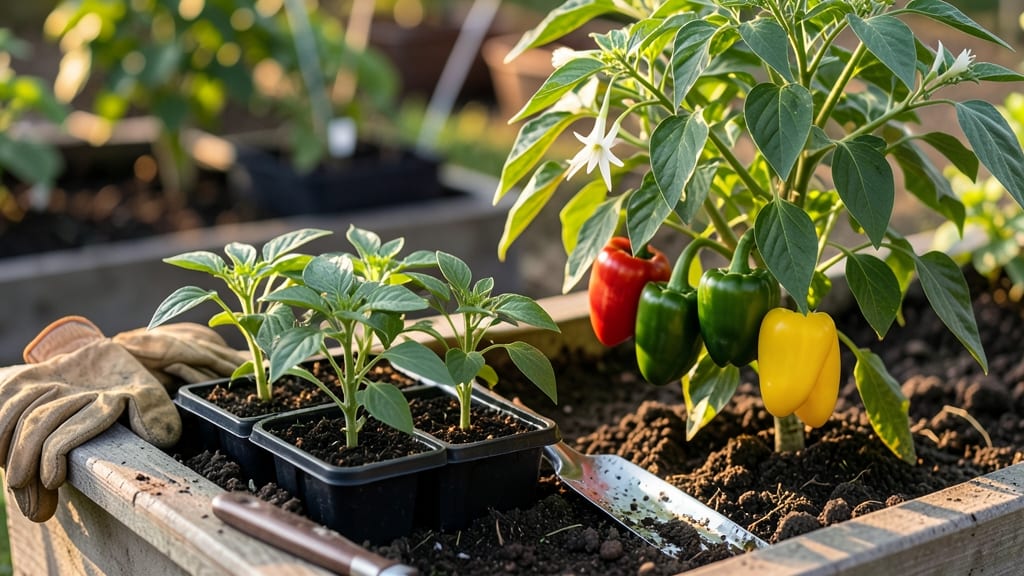
Planting bell peppers in Oklahoma isn’t just about timing—it’s about surviving the state’s sweltering summers and unpredictable spring weather. With USDA Zone 7b heat tolerance in mind, the window to plant 🌶️ bell peppers opens narrow: too early, and frost zaps your seedlings; too late, and the heat stunts growth.
But get it right, and you’ll enjoy crisp, flavorful peppers from July through October.
Most gardeners in Oklahoma start seeds indoors by mid-March to give transplants a head start, then move them outdoors 2-3 weeks after the last frost—usually around mid-April. The key is waiting until soil temps hit at least 60°F, ensuring roots thrive before the real heat arrives.
Skipping this step means risking weak plants that struggle to produce.
If you’re transplanting seedlings, aim for early May to balance heat and humidity. For a second harvest, try late June plantings of heat-resistant varieties like ‘Carolina Wonder’ or ‘Jupiter,’ which handle Oklahoma’s 90°F+ days better than others. Just be ready to shade young plants during peak afternoon sun.
Why does this matter? Because one wrong move can mean the difference between a garden overflowing with peppers and one that barely breaks even. Let’s break down the exact steps to guarantee a thriving harvest—no guesswork required.
Oklahoma bell pepper planting timeline by USDA Zone 7b heat tolerance
Timing your bell pepper planting in Oklahoma’s USDA Zone 7b means balancing late spring frosts with summer heat stress. The ideal window spans mid-April to early June, but soil temperature and weather patterns demand precision.
Bell peppers thrive in 60°F+ soil and 70°F+ air temperatures, so rushing too early can stunt growth while waiting too late risks reduced yields.
For transplants, aim for April 15–May 15—after the average last frost date (March 15) but before June’s oppressive heat. Starting seeds indoors 8–10 weeks before transplanting (around February 15) gives seedlings a head start.
Direct-sowing outdoors is risky unless you’re using heat-tolerant varieties and can protect young plants from unpredictable late frosts.
Here’s your Oklahoma-specific planting timeline with key thresholds for soil temperature, frost risk, and heat tolerance:
| Stage | Action | Key Thresholds | Oklahoma Notes |
|---|---|---|---|
| Indoor Seed Start | Sow seeds 8–10 weeks before last frost | Soil temp: 70–80°F | February 15–March 1 (use grow lights) |
| Transplant Hardening | Acclimate seedlings outdoors 7–10 days | Daytime temps: 50–60°F | Late April (avoid May heat waves) |
| Outdoor Transplant | Plant after last frost, soil 60°F+ | Nighttime temps: Above 50°F | April 15–May 15 (check local frost data) |
| Direct Sowing | Sow seeds directly after May 15 | Soil temp: 75°F+ | Use black plastic mulch to warm soil |
| Heat Protection | Shade cloth for seedlings; mulch for moisture | Air temp: Above 90°F | June–July (critical for young plants) |
| Harvest Window | Pick peppers 75–90 days after transplant | First frost: Mid-November | July–October (extend with row covers) |
Oklahoma’s Zone 7b climate demands flexibility. If your spring is cooler than average, delay planting until May 1 to avoid blossom-end rot from temperature swings. Conversely, if heat arrives early, opt for early-maturing varieties (like ‘Early Cal Wonder’) to harvest before August’s peak temperatures stress plants.
For container gardening, start transplants 2 weeks earlier (by April 1) since pots heat up faster. Use black containers to absorb sunlight and self-watering systems to prevent moisture stress. In-ground planting benefits from raised beds, which warm up 2–3 weeks faster than open soil.
Protect young plants with frost cloth if late frosts threaten after April 15. Even a 28°F night can kill seedlings, so monitor National Weather Service alerts for Oklahoma’s unpredictable spring.
Once established, bell peppers handle 90°F+ days better than cool nights, so focus on evening watering to keep roots cool.
Plan for a second planting in late June if your first batch struggles with heat. Choose short-season varieties (like ‘Jupiter’) to harvest before first frost. This backup strategy ensures peppers even if the primary crop fails.
Always test soil temperature with a soil thermometer—never guess. 60°F+ is non-negotiable for germination, and 70°F+ ensures
How to adjust planting dates for Oklahoma’s unpredictable weather patterns
Oklahoma’s volatile spring weather can turn a perfect planting day into a frost disaster overnight. To beat the odds, I’ve learned to use flexible planting windows and protective strategies that keep my bell peppers thriving despite the chaos.
The key is understanding how to extend your growing season while avoiding heat stress before your plants mature.
Start by tracking your local last frost date, which in Oklahoma’s Zone 7b typically falls around March 15. However, late frosts can still hit as late as April 15, so I always have a backup plan.
Planting transplants 2-3 weeks after the average last frost date gives your peppers a buffer, but if frost warnings pop up, cover them with frost blankets or row covers for extra protection.
🌱
🚨 Late Frost Warning: How to Protect Your Peppers
Use these tactics when frost is forecasted:
- ✅ Row covers (lightweight fabric) raise soil temp by 5-8°F
- ✅ Black plastic mulch warms soil 3-5°F faster than bare ground
- ✅ Cloche tunnels create microclimates for 2-3 week head starts
- ✅ Move pots indoors temporarily if using containers
⚠️ Never use clear plastic directly on plants—it traps too much heat and can scorch leaves.
For those scorching Oklahoma summers, I switch to shade cloth solutions once temperatures hit 95°F+. A 30% shade cloth reduces heat stress and prevents blossom drop, which is critical for bell peppers that need consistent pollination.
I also stagger my plantings—some in early April and others in late May—to spread out my harvest and avoid losing everything to a single heatwave.
Another trick I’ve perfected is soil warming for early plantings. Lay down black plastic mulch 2-3 weeks before transplanting to raise soil temperatures to the 60-65°F range that bell peppers love. This jumpstarts growth and helps seedlings establish faster, giving them a competitive edge against Oklahoma’s unpredictable weather shifts.
If you’re worried about shortening growing seasons, consider container gardening with heat-tolerant varieties. Containers warm up faster in spring and can be moved to shaded areas during peak summer heat. Just ensure they have drainage holes to prevent root rot—a common issue in Oklahoma’s humid summers.
Finally, always have a backup planting window in late July for fast-maturing varieties like ‘Early California Wonder.’ While they won’t produce as much, they’ll give you a small harvest before frost and keep your gardening skills sharp for next year.