Plants
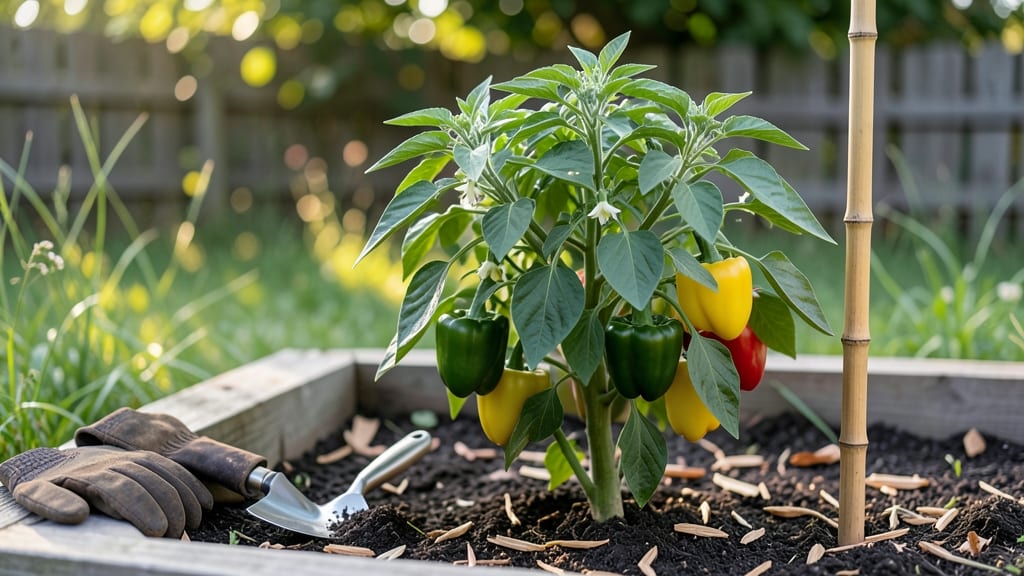
Timing your bell pepper 🌶️ planting in Washington State isn’t just about the calendar—it’s about understanding your microclimate. Plant too early, and frost will nip your seedlings before they even sprout. Get it right, though, and you’ll be harvesting sweet, vibrant peppers from July through October.
Washington’s diverse zones—from 7b in the Puget Sound to 9a in the inland valleys—mean your neighbors’ planting schedule might not work for you. The key is waiting until soil temperatures hit 60°F and nighttime lows stay above 50°F, which can vary by weeks depending on where you garden.
Whether you’re starting seeds indoors 8-10 weeks before your last frost or transplanting seedlings after mid-April, this guide breaks down the exact windows for your zone. We’ll also cover how to stretch your growing season in cooler areas so you can enjoy peppers well into fall.
Ready to avoid the common mistakes that waste time and money? Let’s dive into the zone-specific heat tolerance charts and planting strategies that will set your bell pepper harvest up for success.
Washington State zones for bell pepper planting: heat tolerance by region
Washington State spans USDA Zones 6b through 9a, creating dramatic differences in planting windows for bell peppers.
Inland areas like the Yakima Valley (Zone 9a) can plant as early as mid-April, while coastal regions like the Olympic Peninsula (Zone 7b) must wait until late May to avoid frost damage. The key? Soil temperature—bell peppers need at least 60°F (15°C) to germinate and thrive.
Your last frost date is the first rule, but don’t rely solely on it. Bell peppers are heat-loving plants that struggle when nighttime temps dip below 50°F (10°C).
In Zone 7 (Puget Sound), aim for late April to early May planting, while Zone 8 (Central WA) can start 2-3 weeks earlier. For Zone 9 (Eastern WA), you’ve got flexibility—plant as early as mid-April if your soil warms quickly.
Here’s the critical detail: Coastal areas often have cooler soils even after frost, delaying planting by 3-4 weeks compared to inland zones. For example, Bellingham (Zone 7b) might see 50°F soil temps in late May, while Walla Walla (Zone 7b inland) could hit 60°F by mid-April.
Always check soil temperature with a thermometer before planting.
🌱
| Zone & Region | Last Frost Date | Optimal Planting Window | Soil Temp Requirement | Heat-Tolerant Varieties |
|---|---|---|---|---|
| Zone 7b (Puget Sound, Coastal) | April 15 | Late May – Early June | ≥60°F (15°C) | 'Aristotle', 'Sweet Banana' |
| Zone 7b (Inland: Wenatchee) | May 1 | Mid-April – Late April | ≥60°F (15°C) | 'Carmen', 'Jupiter' |
| Zone 8 (Central WA: Yakima) | April 1 | Mid-April – Early May | ≥60°F (15°C) | 'California Wonder', 'King of the North' |
| Zone 9a (Eastern WA: Moses Lake) | March 15 | Early April – Mid-April | ≥65°F (18°C) for fast growth | 'NuMex Victory', 'Poblano' |
If you’re starting seeds indoors, begin 8-10 weeks before your last frost date. For Zone 7 (Puget Sound), that means mid-February to early March, while Zone 9 (Eastern WA) can start as early as January.
Use grow lights to supplement natural light, as indoor seedlings need 14-16 hours of light daily to prevent leggy growth.
Pro tip: Transplant seedlings outdoors only after hardening them off for 7-10 days. Harden by gradually exposing them to outdoor conditions (wind, sun, temperature swings) to avoid shock. In cooler zones, delay hardening until after May 1 to protect tender seedlings from late frosts.
For direct sowing outdoors, wait until soil temps consistently stay above 60°F (15°C). In Zone 7 coastal areas, this often means late May or early June, while Zone 8-9 inland can direct sow as early as mid-April.
Direct sowing skips the transplanting step but risks slower germination in cool soils.
🌡️
One common mistake? Planting too early in cooler microclimates like the San Juan Islands or Mount Rainier foothills. Even if frost risk is low, slow soil warming can stall germination. Use a soil thermometer to confirm temps before planting—60°F (15°C) is non-negotiable for bell peppers.
In Zone 9 (hot inland valleys), focus on heat-tolerant varieties like 'NuMex Victory' or 'Poblano' to avoid blossom drop during 90°F+ (32°C+) days. These varieties handle Washington’s summer heat spikes better than standard types. Pair them
Washington State zones for bell pepper planting: heat tolerance by region
Washington State spans USDA Zones 6b through 9a, but your exact planting window depends on whether you're in the cool coastal regions (like the Puget Sound) or warmer inland valleys (like Yakima or Wenatchee). Bell peppers are heat-loving plants that need consistent warmth to thrive, so timing is everything.
Plant too early, and frost will kill tender seedlings; too late, and you’ll miss the 120-150 frost-free days needed for a full harvest.
Most gardeners in Washington start seeds indoors 8-10 weeks before their last frost date. For Zone 7b (common in Western WA), that means starting seeds in early March and transplanting outdoors after mid-April.
In Zone 9a (Eastern WA), you can plant directly outdoors as early as late March, thanks to warmer soil temperatures. Below, we break down the key factors for each zone, including soil temperature requirements and frost-free windows.
🌱 Washington State Bell Pepper Planting Guide by Zone
| Zone | Last Frost Date | Indoor Start Date | Outdoor Transplant | Soil Temp (°F) | Frost-Free Days |
|---|---|---|---|---|---|
| 6b-7a (Coastal) | April 15 | Early March | May 15 | 60°F+ | 120-140 |
| 7b (Puget Sound) | April 1 | Mid-February | April 15 | 60°F+ | 150-160 |
| 8a-8b (Western WA) | March 15 | Late January | March 30 | 60°F+ | 180-200 |
| 9a (Eastern WA) | February 15 | Early January | Late March | 65°F+ | 200+ |
Note: Adjust transplant dates if nighttime temps drop below 50°F.
For gardeners in Zone 6b (like parts of Whatcom County), opt for shorter-season varieties like 'Aristotle' (60 days to maturity) to ensure a harvest before fall frosts. In Zone 9a, you can push the envelope with heat-tolerant varieties like 'Carmen' or 'Jupiter', which thrive in the warmer inland climates.
Always monitor your local soil temperature—bell peppers won’t germinate well below 60°F, even if air temperatures are mild.
Pro tip: Use a soil thermometer to confirm readiness. If your soil is still chilly, delay planting or use black plastic mulch to warm it up faster. In coastal areas, this can shave 2-3 weeks off your waiting time.
Pair this with a row cover for extra protection against late frosts, and you’ll give your peppers the best possible start.
One common mistake is rushing to plant as soon as the last frost date passes. Bell peppers need consistent warmth, so wait until nighttime lows are reliably above 50°F.
In Western WA, this often means delaying until late April or early May, even if the calendar says spring has arrived. Patience here pays off with a bigger, healthier harvest.
For those in Zone 8a and above, you can even try succession planting every 2-3 weeks from May through June. This staggered approach ensures a continuous supply of peppers from July through October, giving you fresh harvests well into fall.
Just be mindful of watering needs—bell peppers in Washington’s summer heat can dry out quickly, so deep watering 2-3 times per week is a must.