Plants
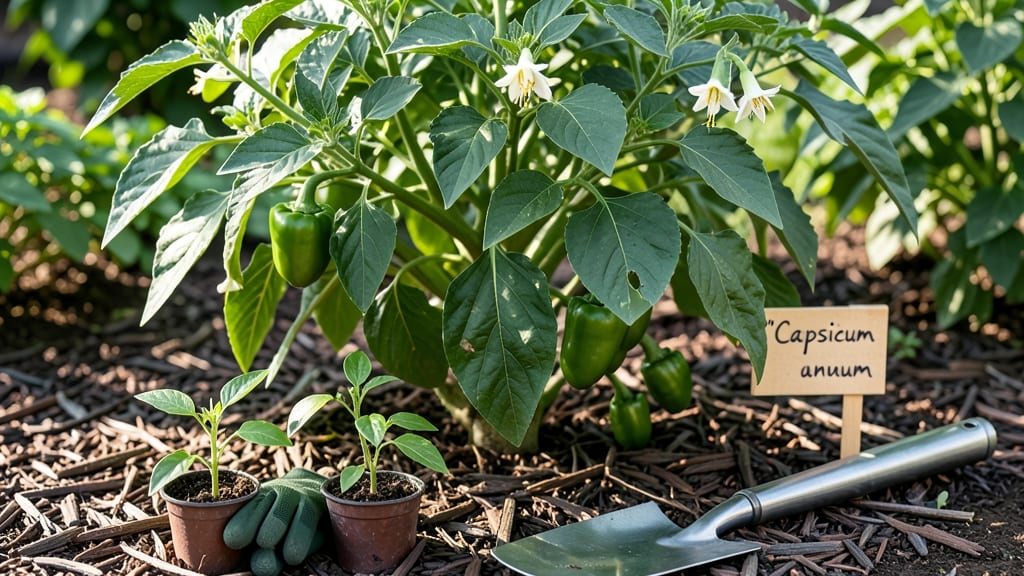
Timing your 🌶️ bell pepper planting in Indiana isn’t just about checking a calendar—it’s about outsmarting the weather. Plant too early, and frost will turn your seedlings into sad, wilted souvenirs. Too late, and you’ll miss the peak harvest window when those sweet, glossy peppers are at their best.
Here’s the secret: Indiana’s 6a zone gives you a 165-day growing season, but only if you start right. The magic window is April 15–May 15, after the last frost, when soil temps hit 60°F.
But don’t just guess—your location matters. Northern Indiana’s cooler microclimates need a head start, while southern areas can push the envelope a little later.
Whether you’re starting seeds indoors or transplanting young plants, this guide breaks down the exact steps to maximize your harvest.
We’ll cover heat-tolerant varieties that thrive in Indiana’s summers, how to extend your season with simple tricks, and the 3 biggest mistakes gardeners make that kill their peppers before they ripen.
Ready to grow peppers that actually make it to your plate? Let’s dive into the zone-specific heat tolerance chart and planting strategies that’ll turn your Indiana garden into a pepper powerhouse.
Indiana planting zones & ideal bell pepper transplant dates by microclimate
Indiana spans USDA Zones 5-7, which means your bell pepper planting window varies by region. Northern Indiana (Zones 5-6) has a shorter growing season, while southern Indiana (Zone 7) enjoys a longer frost-free period. Understanding these differences helps you avoid late frosts that can devastate young seedlings.
For northern Indiana gardeners, aim to transplant bell pepper seedlings between May 1 and May 15 after the last frost date. Southern Indiana gardeners can start slightly earlier, around April 15 to April 30, depending on microclimates.
Always verify your local frost-free date using the Indiana State Climate Office.
Soil temperature is critical—bell peppers thrive only when soil reaches 60°F or warmer. Use a soil thermometer to confirm readiness. If your soil is too cold, wait or use row covers to warm the ground. Planting too early in chilly soil stunts growth and invites disease.
Here’s how Indiana’s microclimates affect your planting schedule:
| USDA Zone | Last Frost Date | Ideal Transplant Window | Soil Temp Threshold | Heat-Tolerant Varieties |
|---|---|---|---|---|
| 5 (Northern IN) | May 1-15 | May 15-June 1 | 60°F+ | ‘Carolina Wonder’, ‘Jupiter’ |
| 6 (Central IN) | April 15-May 1 | April 30-May 15 | 60°F+ | ‘Aristotle’, ‘NuMex Victory’ |
| 7 (Southern IN) | March 30-April 15 | April 15-May 1 | 60°F+ | ‘Cubanelle’, ‘Sweet Banana’ |
Choose heat-tolerant varieties suited to your zone. Southern Indiana’s longer season allows for late-season varieties like ‘Sweet Banana’, while northern gardeners should opt for early-maturing peppers like ‘Jupiter’ to avoid frost. Always check seed packets for days to maturity—aim for varieties that mature within 75-90 days.
If you’re starting seeds indoors, begin them 8-10 weeks before your last frost date. Use grow lights to provide 14-16 hours of light daily until seedlings are strong enough to transplant. Harden off seedlings by gradually exposing them to outdoor conditions for 1-2 weeks before planting.
Pro tip: Use black plastic mulch to warm soil faster and suppress weeds. This raises soil temperatures by 5-10°F, accelerating growth and extending your harvest window. Pair it with drip irrigation to maintain consistent moisture without wetting foliage, reducing disease risk.
Indiana’s first frost typically arrives in mid-October, but some years it comes earlier. Monitor weather forecasts and use row covers or a cold frame to protect late-season peppers. If frost is imminent, harvest peppers immediately—they’ll ripen indoors if fully colored.
For northern Indiana gardeners, consider planting short-season varieties like ‘Early California Wonder’ (60 days to harvest) to maximize your yield. Southern Indiana gardeners can experiment with longer-season varieties like ‘Big Jim’ (85 days) for larger peppers.
Always adjust your planting schedule based on local weather patterns—Indiana’s climate can shift dramatically from year to year.
Common mistakes Indiana gardeners make with bell pepper planting timing
Even experienced Indiana gardeners fall into the same planting timing traps every year. The most common mistake? Ignoring soil temperature instead of air temperature. Your bell pepper seeds need 60°F+ soil, but a warm May day might still hide cold ground. Always check with a soil thermometer—don’t guess!
Another frequent error is planting too late after the last frost date. While Indiana’s average last frost is April 15, northern counties like Gary or South Bend can see frost as late as May 1.
If you wait until May 15 to transplant, your 75-day varieties won’t mature before fall frost hits.
Here’s the visual warning system I use to spot these mistakes early:
🚨 Warning: Transplant Shock Signs
- Yellowing leaves (nutrient stress from delayed planting)
- Stunted growth (less than 1 inch per week)
- Wilting midday (root system struggling to adapt)
- Blackened stems (fungal infection from cold soil)
💡 Fix it: Move plants to a warmer microclimate (south-facing bed), add mulch to warm soil faster, and water deeply every 2-3 days.
One more critical mistake? Overcrowding seedlings when starting indoors. Tight spaces lead to weak stems that snap during transplant. Use 4-inch pots minimum and space seedlings 12 inches apart in trays. This might seem excessive, but those 3-foot-tall plants need room to thrive.
Finally, many gardeners assume all bell peppers have the same heat tolerance. That’s why I recommend 3 varieties perfect for Indiana: ‘Carolina Wonder’ (90-day, heat-resistant), ‘Jupiter’ (80-day, early maturing), and ‘Aristotle’ (75-day, compact). These varieties handle Indiana’s 90°F summers without bolting.
Pro tip: If you’ve already planted too late, choose fast-maturing varieties and use row covers to push maturity by 2-3 weeks. Don’t give up—even a 3-week extension can mean the difference between harvest and disappointment. 🌱