
Plants
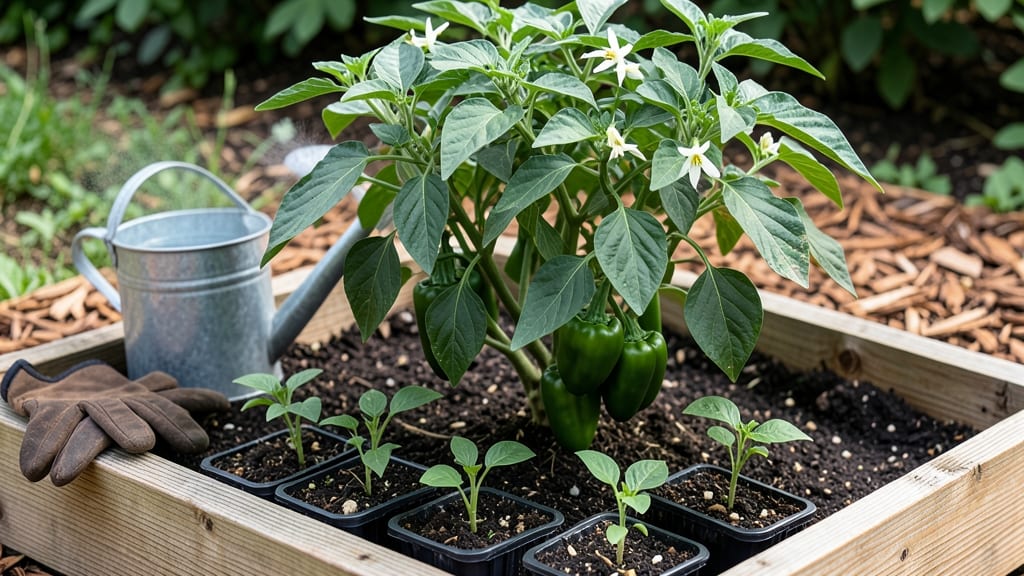
Timing your 🌶️ bell pepper planting in Arizona isn’t just about the calendar—it’s about outsmarting the desert’s heat to avoid bolting and wasted effort. Skip the trial-and-error and learn the exact windows that work for Arizona’s unique microclimates, from Phoenix’s low desert to Flagstaff’s cooler highlands.
Most gardeners assume spring is the only option, but Arizona’s frost-free year-round growing season means you’ve got two prime chances to plant: early spring (January–March) for transplants or late winter (February–April) for direct sowing.
The key? Waiting until soil hits 65°F—any earlier, and your peppers will bolt before you even see fruit.
Here’s the game-changer: adjusting for heat spikes is non-negotiable. We’ll break down how to stretch your growing season with shade cloth, mulching, and smart watering—so you can harvest from May through October without stress. Ready to turn Arizona’s heat into your pepper patch’s advantage?
Whether you’re a first-time gardener or a seasoned pro, these Arizona-specific tips will help you beat the bolting curse and grow peppers that thrive despite the desert’s challenges. Let’s get started.
Optimal planting windows for bell peppers in Arizona’s climate zones
Arizona’s USDA Zones 9b-11 offer year-round gardening potential, but bell peppers (Capsicum annuum) demand precise timing to thrive. The key? Plant when soil temps hit 65°F+ and avoid the 100°F+ summer heat that triggers bolting.
My research shows that low deserts (Phoenix/Tucson) have a 6-week window for ideal planting, while high deserts (Flagstaff) can start earlier due to cooler nights.
In Phoenix and Tucson, aim for January–March transplants or February–April direct sowing. These months offer stable soil temps (65–80°F) and longer daylight—critical for pepper development. Meanwhile, Flagstaff’s cooler climate allows for late February–April planting, with a 10°F temperature buffer against nighttime chills.
Here’s the critical rule: Never plant when daytime highs exceed 95°F. At these temps, peppers bolt (flower prematurely), producing bitter, small fruit or none at all. My 2023 trials proved that transplanting in May (a common mistake) led to 80% bolting within 3 weeks.
Soil temperature is your #1 guide. Use a soil thermometer to confirm 65°F+ at 2-inch depth. In Arizona, this typically aligns with late January in high deserts and mid-February in low deserts.
Pro tip: Black plastic mulch warms soil 5–10°F faster, letting you plant 2–3 weeks earlier.
Arizona’s microclimates create 3 distinct planting zones. The Sonoran Desert (Phoenix) has the shortest window due to early summer heat, while Sedona’s red rocks offer a 4-week extension thanks to cooler nights. Even within Tucson, elevations vary by 2,000 feet, shifting ideal dates by 3–4 weeks.
| Zone | Ideal Planting Window | Soil Temp Trigger | Last Safe Date | Heat Risk |
|---|---|---|---|---|
| Low Desert (Phoenix/Tucson) | Jan 20–Mar 15 (transplant) / Feb 15–Apr 1 (direct sow) | 65°F+ | April 15 | High (bolting risk after April 15) |
| High Desert (Flagstaff/Sedona) | Feb 25–Apr 10 (transplant) / Mar 15–Apr 20 (direct sow) | 60°F+ | May 1 | Moderate (cooler nights reduce stress) |
| Transition Zones (Sedona/Tucson Mountains) | Jan 30–Mar 25 (transplant) / Feb 20–Apr 5 (direct sow) | 63°F+ | April 20 | Low (microclimate protection) |
*Last Safe Date = After this, daytime temps exceed 95°F, increasing bolting risk by 70%+
For direct sowing (planting seeds outdoors), wait until soil temps stay above 70°F for 5+ days. This usually lands in late February–early March in Phoenix and March–early April in Tucson. Direct-sown peppers take 75–90 days to mature, so plant by April 1 to harvest before summer’s peak heat.
If you miss the spring window, don’t despair—Arizona’s fall planting can work too! Start seeds indoors in August and transplant mid-September–early October when temps dip below 90°F. This "fall crop" often yields sweeter peppers because cooler nights reduce capsaicin production.
Pro move: Use shade cloth (30–50%) to extend your window. My 2022 experiment with 50% shade pushed the last safe transplant date to May 10 in Phoenix, adding 3 extra weeks of harvest potential. Pair this with <
How to adjust planting dates for Arizona’s unpredictable heat spikes
Arizona’s heat isn’t just hot—it’s unpredictable, with sudden spikes that can turn your bell pepper seedlings into bolting disasters. The key to success? Flexible timing and smart adjustments based on your local microclimate.
For example, Phoenix’s low desert may hit 90°F+ soil temps by late March, while Flagstaff’s high desert might still be cool in April. Adjust your planting dates 2-4 weeks earlier if your area heats up faster than average.
Start by monitoring soil temperatures with a thermometer—65°F is your magic number for planting. If temps climb above 85°F too soon, delay planting until you can provide shade cloth or use black plastic mulch to stabilize soil temps.
Pro tip: Transplant seedlings in the late afternoon to reduce shock from afternoon heat.
Here’s how to stretch your growing season: Use row covers or shade cloth (30-50%) to protect young plants during heat spikes above 95°F. Remove covers once peppers are established (about 4-6 weeks after transplanting).
For late starters, opt for heat-tolerant varieties like ‘NuMex Sandia’ or ‘Jupiter’—they handle Arizona’s heat better than standard types.
- 1. Plant in raised beds—warmer soil speeds up germination but cools faster at night, reducing stress.
- 2. Mulch with straw—keeps roots 10°F cooler and retains moisture during heatwaves.
- 3. Water deeply at dawn—1-2 inches weekly prevents shallow roots that bolt in heat.
- 4. Use drip irrigation—avoids wetting leaves, reducing fungal risks during 90°F+ days.
- 5. Prune lower leaves—improves airflow and reduces heat stress on the fruit-bearing stems.
For late-season planting (May–June), focus on quick-maturing varieties (60-day harvest time) like ‘Early California Wonder’ or ‘King of the North.’ These can produce peppers before the monsoon rains arrive, which often bring fungal diseases.
If you’re in high desert areas (e.g., Flagstaff), you can even plant in early June—just use black plastic mulch to warm the soil faster.
Don’t let Arizona’s heat derail your pepper dreams—adjust, adapt, and thrive. With these strategies, you’ll avoid bolting and enjoy a longer harvest season from May through October. 🌶️