
Plants
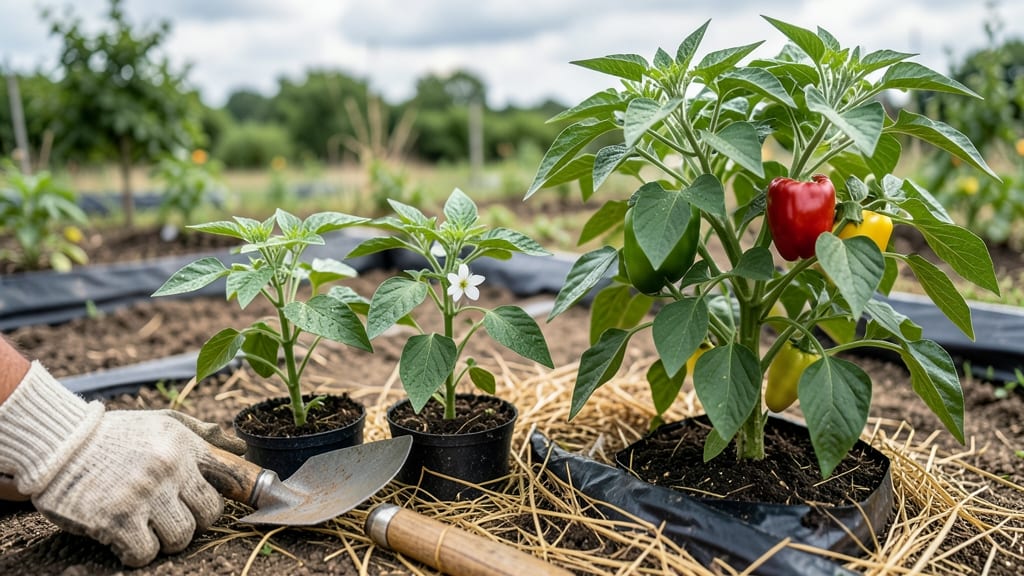
Timing your 🌶️ bell pepper planting in Alabama isn’t just about avoiding frost—it’s about dodging the heat-induced bolting that turns your garden dreams into bitter disappointment.
Alabama’s 7b-8b climate gives you two prime windows, but one wrong move can mean wasted seeds or stunted plants before you even taste that first harvest.
Most gardeners in Alabama swear by planting bell peppers after the last frost—typically March 15 to May 15—but that’s only half the story. The real secret lies in understanding how Alabama’s humid summers and sudden temperature swings can trick your peppers into flowering too early.
If you miss the window, you’ll end up with bitter, undersized peppers—or worse, none at all.
What if I told you there’s a second planting window that guarantees a fall harvest? August through September might seem late, but it’s the perfect time to get a second crop before the first frost hits in November.
The trick? Knowing exactly when to prep your soil, which varieties thrive in Alabama’s heat, and how to protect your plants from the unpredictable weather that defines our growing season.
In this guide, I’ll break down the exact timing for Alabama’s two planting seasons, share foolproof strategies to prevent bolting, and reveal the top varieties that actually perform here.
Whether you’re a first-time gardener or a seasoned pro, these tips will help you grow plump, sweet bell peppers all season long—without the guesswork.
Alabama’s ideal bell pepper planting timeline by region (frost dates & heat zones)
Alabama’s diverse climate—from the cooler Appalachian foothills to the sweltering Gulf Coast—means your bell pepper planting window depends entirely on your USDA zone and last frost date.
North Alabama’s Zone 7a gardeners face late spring frosts until April 15, while South Alabama’s Zone 8b growers can start as early as February 15 in protected beds. Timing isn’t just about frost—it’s also about avoiding heat-induced bolting when daytime temps hit 90°F+.
For zero-bolt harvests, focus on two key planting windows: spring (March–May) for summer peppers and fall (August–September) for autumn harvests. In Alabama, soil temperature is your best guide—wait until it hits 60°F+ consistently. Use a soil thermometer to avoid planting too early, which stunts growth.
My North Alabama garden (Zone 7a) waits until April 20 for direct sowing, while my South Alabama friends start two weeks earlier.
Here’s the breakdown you need to nail your planting schedule by region, including frost risk and heat tolerance thresholds:
| Region | USDA Zone | Last Frost Date | Ideal Planting Window | Soil Temp Threshold | Heat Risk |
|---|---|---|---|---|---|
| North Alabama | 7a | April 15 | April 20–May 15 (spring) or August 15–Sept 1 | 60°F+ | High (June–Aug) |
| Central Alabama | 7b/8a | March 25 | March 30–April 30 (spring) or July 30–Aug 30 | 60°F+ | Very High (May–Sept) |
| South Alabama | 8b | February 15 | February 20–March 15 (spring) or July 15–Aug 15 | 60°F+ | Extreme (June–Oct) |
🌡️ Pro Tip: Use black plastic mulch to raise soil temps by 5–10°F, extending your planting window by 2–3 weeks.
If you’re starting seeds indoors, begin 8–10 weeks before your region’s last frost date. For North Alabama, that’s February 1, while South Alabama gardeners can start as early as January 15.
Use grow lights to prevent leggy seedlings—Alabama’s short winter days (only 10 hours of sunlight in December) slow growth without supplemental light.
For fall plantings, aim for August 1–September 15 to harvest before the first frost (November 15). This second window works because Alabama’s humid summers create ideal conditions for peppers, but you’ll need shade cloth in late August if temps exceed 95°F.
My Central Alabama garden uses 30% shade cloth to protect plants during heatwaves, which prevents sunscald and bolting.
Don’t overlook microclimates—your backyard might be 5–10°F warmer than the official USDA zone due to paved surfaces or southern exposures. Test your soil with a thermometer for 3 consecutive days before planting.
In Zone 7a, I’ve seen soil temps hit 70°F by April 1 near a brick wall, while shaded areas lag behind.
For heat-tolerant varieties, prioritize ‘Aristotle’ (resists 95°F+), ‘Carmen’ (thrives in humidity), or ‘Jupiter’ (disease-resistant). These varieties outperform standard ‘California Wonder’ in Alabama’s climate. Pair them with drip irrigation to maintain consistent soil moisture, which is critical during summer droughts.
Finally, check <
5 Proven strategies to avoid bolting in Alabama’s heat (even with late plantings)
Alabama’s summer heat can turn bell peppers into bolt-happy plants that flower too soon, leaving you with bitter peppers instead of sweet harvests. The key? Strategic timing and environmental control to keep plants focused on growth—not reproduction.
Here’s how to outsmart the heat and avoid bolting, even if you plant late.
First, choose heat-tolerant varieties like ‘Aristotle’ or ‘Carmen,’ bred to handle Alabama’s 90°F+ temperatures. These varieties resist bolting better than standard types, giving you a 2-3 week safety margin for late plantings. Pair them with shade cloth (30-50%) to reduce stress during peak afternoon heat.
🌶️ Visual Element: Numbered Highlights 🌶️
- Shade Cloth Timing
- Soil Moisture Tricks
- Heat-Tolerant Varieties
- Strategic Fertilizing
- Late Planting Hacks
Bolting isn’t just about heat—it’s also triggered by stress signals like uneven watering or sudden temperature swings. In Alabama, afternoon thunderstorms can drop temps 20°F in hours, shocking plants into flowering. To prevent this, water deeply in the morning and avoid overhead sprinklers, which can spread fungal diseases like phytophthora that weaken plants.
Pro tip: Monitor your plants’ leaf color. Yellowing leaves signal nutrient deficiencies (often nitrogen), while purple stems indicate phosphorus stress10-20-20 for fruiting) and watch for improvement within 10 days. For container growers, use self-watering pots to maintain steady moisture levels.
Even with perfect timing, Alabama’s humidity levels (70-90%) can stress peppers, making them more susceptible to bolting. Boost airflow around plants by pruning lower leaves (remove up to 1/3 of foliage) and spacing plants 18-24 inches apart.
This reduces fungal pressure and helps plants focus energy on fruit production instead of survival.
If you’re still seeing bolting despite these steps, try succession planting: Sow a second batch of seeds 6-8 weeks after your first planting to stagger harvests. This way, your first batch can mature while the second batch benefits from cooler fall temperatures (ideal for peppers!).
Just remember: Never plant after September 15 in most of Alabama—you’ll risk peppers not maturing before frost.