
Plants
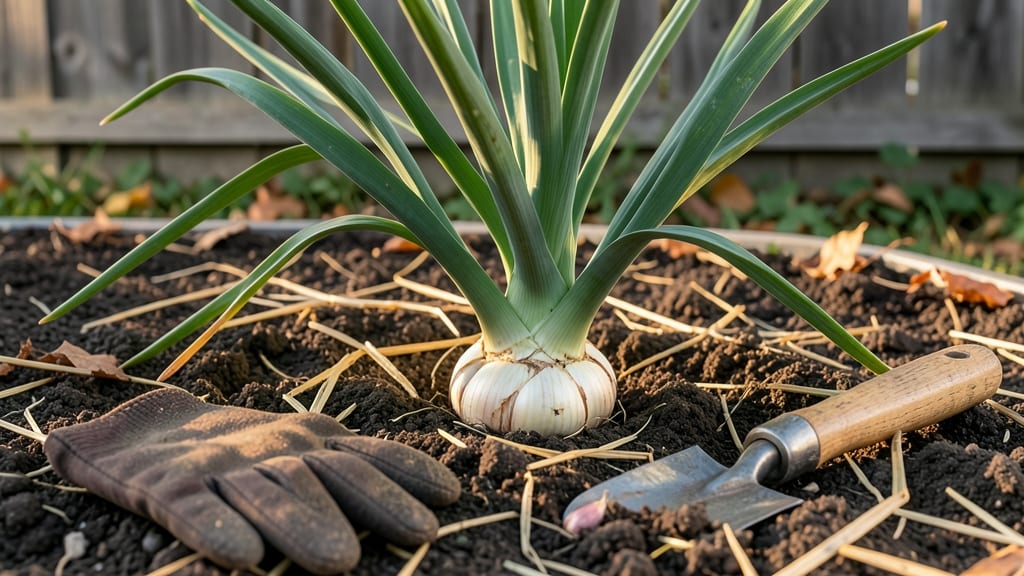
If you're growing garlic in Zone 8b, timing your planting window is the key to avoiding bitter, bolted bulbs and harvesting plump, flavorful cloves.
Planting too early or late can turn your hard work into disappointment, but getting it right guarantees a bumper crop that tastes as good as it looks.
Most gardeners in Zone 8b (think Southern California, parts of Texas, or Georgia) know fall is the prime season for planting garlic, but exactly when? The best window is October through November, when soil temperatures drop to 40–50°F—ideal for root establishment before winter dormancy.
This timing ensures your 🧄 develops strong bulbs without racing into bolting.
What if your fall season runs late or you missed the window? Don’t worry—there’s still time. Early winter planting in January or February works too, as long as you adjust for your local frost dates.
I’ll walk you through the exact steps to time it perfectly, whether you’re a first-time grower or a seasoned gardener fine-tuning your routine.
Ready to grow garlic that’s sweeter and more productive? Let’s dive into the science-backed planting schedule that keeps your crop on track for a June-July harvest—without a single bolt in sight.
Optimal planting window for Zone 8b garlic with zero bolt risk
In Zone 8b, garlic thrives when planted during cool fall months or early winter, avoiding the heat that triggers bolting. The ideal window runs from mid-October to November for hardneck varieties, or January to February for softneck types.
This timing ensures soil temps stay between 40–50°F, perfect for root development.
Hardneck garlic (best for Zone 8b) needs 6–8 weeks of cold to form bulbs, while softneck varieties tolerate milder winters. Planting too early (before September) risks heat stress, while waiting until after December may delay harvests.
Aim for 4–6 weeks before the first frost—typically by November 15 in most 8b regions.
🌱 Zone 8b Garlic Planting Summary
| Variety | Ideal Planting Month | Soil Temp | Cold Requirement |
|---|---|---|---|
| Hardneck (e.g., German Red) | October–November | 40–50°F | 6–8 weeks below 50°F |
| Softneck (e.g., Silverskin) | January–February | 50–60°F | Minimal cold needed |
💡 Pro Tip: Use a soil thermometer to confirm temps before planting.
For Zone 8b’s mild winters, hardneck garlic planted in late October often bolts prematurely. To prevent this, choose late-maturing varieties like Music or Chesnok Red, which tolerate warmer soil. Softneck garlic, like California Early, handles January planting better but may need row covers for frost protection.
Soil preparation is critical. Work in 2–3 inches of compost and ensure well-draining soil to prevent rot. Test your soil’s pH—garlic prefers 6.0–7.0. If your soil is sandy (common in 8b), amend with aged manure to retain moisture. Avoid fresh manure, which can burn roots.
Plant individual cloves (not whole bulbs) 2–4 inches deep, 4–6 inches apart, with the pointy end up. Space rows 12 inches apart for airflow.
In Zone 8b’s dry climates, mulch with straw or leaves to retain moisture and insulate roots. Remove mulch in early spring to prevent fungal diseases.
If you miss the fall window, don’t panic—January planting still works for softneck varieties. Just reduce watering in late winter to mimic dormancy. For hardnecks, a January start risks bolting, so opt for spring-planted garlic (harvest same year) if needed.
Monitor leaf growth after planting. Healthy garlic should sprout in 2–3 weeks and develop 4–6 leaves by winter. If leaves yellow or wilt before spring, it may signal overwatering or poor drainage. Adjust care immediately to salvage the crop.
Harvest timing in Zone 8b typically falls in June–July, when lower leaves brown and bulbs feel firm. Wait until 50% of leaves turn brown to avoid split bulbs. Cure harvested garlic in a dry, shady spot for 2–3 weeks before storing.
By following these Zone 8b-specific guidelines, you’ll grow plump, flavorful bulbs with zero bolt risk. Happy planting! 🌱
Optimal planting window for Zone 8b garlic with zero bolt risk
Zone 8b gardeners have a narrow but critical window to plant garlic for zero bolt risk. The ideal months are October through November, when soil temperatures drop to 40–50°F. This timing lets garlic establish roots before winter dormancy while avoiding the heat stress of summer planting that triggers bolting.
Hardneck varieties (like Rocky Mountain or Silverskin) thrive when planted in October, while softneck types (such as Artichoke) can stretch into early November. Both need 4–6 weeks before the ground freezes to develop strong bulbs.
Soil temperature is the deciding factor. Use a soil thermometer to confirm readings between 40–50°F at planting depth (2–4 inches). If your soil is warmer, wait—hotter temps push garlic into bolting mode.
Zone 8b Garlic Planting Summary
| Variety | Best Planting Month | Soil Temp | Key Notes |
|---|---|---|---|
| Hardneck (e.g., German Red) | October | 40–50°F | Needs cold dormancy; harvest June–July |
| Softneck (e.g., Silverskin) | November | 45–50°F | More flexible; stores longer |
| Elephant Garlic | October–November | 40–50°F | Larger bulbs; needs extra space |
🌱 Pro Tip: Plant cloves pointy-end up, 2–4 inches deep, 4–6 inches apart.
Missed the fall window? Don’t panic—Zone 8b’s second chance is January or February, when soil temps drop again. This works for softneck varieties but may yield smaller hardneck bulbs. Always plant 4–6 weeks before your last frost date (typically January 15 in Zone 8b).
For maximum success, pair planting with companion crops like lettuce or spinach, which thrive in garlic’s early-season shade. Avoid planting near beans or onions, as they compete for nutrients.
Timing isn’t just about months—it’s about soil readiness. Test your soil’s pH (6.0–7.0 is ideal) and amend with compost before planting. A well-prepped bed ensures garlic focuses on bulbs, not struggling to establish roots.