
Plants
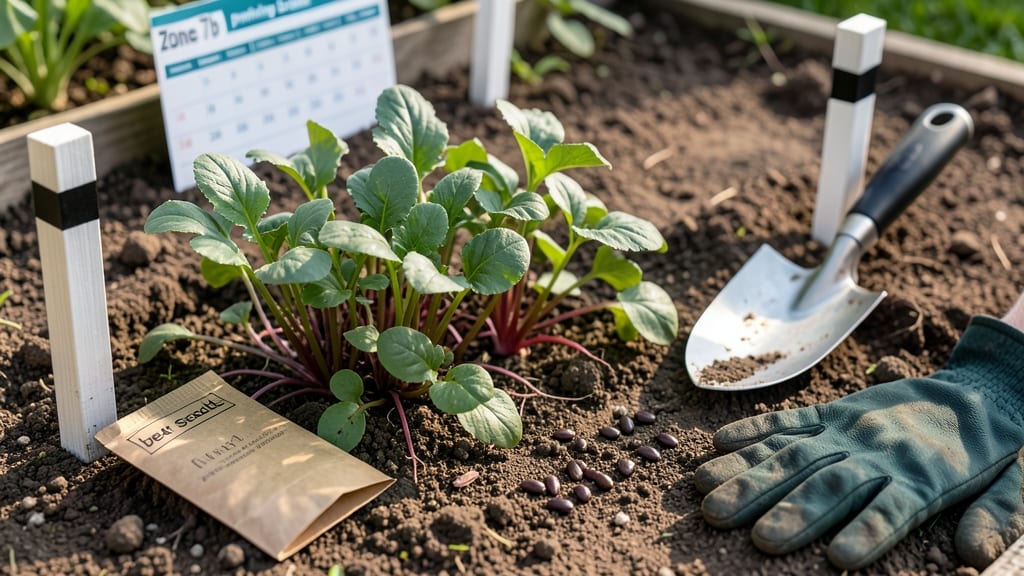
Timing your beet planting in Zone 7b could make or break your harvest—because those sweet, tender roots? They’re finicky about when they hit the soil. Miss the window, and you’ll end up with bitter, woody 🍠 that’s more frustration than feast.
Here’s the secret: Zone 7b’s mild climate gives you two prime chances to plant—early spring and late summer—but getting the timing just right means avoiding bolting (those unwanted flower stalks) and ensuring your beets mature before frost.
I’ll break down the exact weeks before your last frost date to lock in that perfect harvest window, so you’re never left guessing.
Whether you’re a first-time gardener or a seasoned green thumb, these insights will help you stretch your beet harvest from late spring all the way into fall. No more wasted seeds or disappointing crops—just sweet, earthy roots that taste like summer.
Ready to master the Zone 7b beet schedule? Let’s dive into the best planting windows, soil prep tips, and how to keep your beets thriving until the first frost. Your garden’s about to get a whole lot sweeter.
Optimal planting windows for beets in Zone 7b (with frost date calculations)
In Zone 7b, where the average last frost date is March 15 and first frost arrives between October 15–November 15, timing your beet planting is everything.
Beets thrive in cool weather, so planting too late in summer risks bolting (premature flowering), while planting too early in fall means they’ll mature before frost. Let’s break down the perfect windows for two harvests: spring and fall.
For a spring harvest, aim to sow beet seeds 4–6 weeks before your last frost date. In Zone 7b, that means planting between mid-February and early April. This gives you tender roots ready for harvest by late May to early June, just as summer heat arrives.
For a fall harvest, plant seeds 8–10 weeks before your first frost, or between mid-July and early August, to enjoy beets in September and October.
🌱 Beet Planting & Harvest Timeline for Zone 7b
| Planting Window | Action | Harvest Window | Notes |
|---|---|---|---|
| Early Spring | Sow seeds Feb 15–Apr 1 |
Late May–Early June | Thin seedlings to 3" apart; mulch to retain moisture. |
| Late Summer | Sow seeds Jul 15–Aug 1 |
September–October | Use shade cloth if temps exceed 80°F to prevent bolting. |
| Succession Planting | Sow every 2–3 weeks through May 15 |
Continuous harvest until June 30 |
Extend harvest season with staggered plantings. |
Zone 7b gardeners can also use succession planting to extend their harvest. Sow beet seeds every 2–3 weeks from mid-February through mid-May. This ensures a steady supply of fresh beets from late April through late June, just before summer’s peak heat sets in.
For example, if you plant your first batch on February 20, follow up with seeds on March 10, March 30, and April 15 for a rolling harvest.
When planning your fall planting, prioritize varieties with shorter days to maturity (like ‘Early Wonder’, which takes 50–55 days). These will mature before cooler temperatures trigger bolting.
Avoid planting after August 15 unless you’re using row covers to extend the season, as beets grown in short days may develop a woody texture and bitter flavor.
Pro tip: Use a soil thermometer to confirm soil temps are 50–70°F before planting. Beet seeds won’t germinate well in cold soil (40°F or below), so wait until the ground warms up in early spring or after summer’s hottest days pass.
In Zone 7b, soil temps typically hit the sweet spot by mid-March for spring and mid-August for fall.
Remember, beets are cool-season crops, so they’ll bolt (go to seed) if exposed to consistent temperatures above 80°F. In Zone 7b’s summer heat, protect seedlings with shade cloth (30–50%) or plant in partial shade during peak afternoon sun.
This simple adjustment can save your crop from becoming tough and stringy.
For a second fall harvest, try planting mid-August to early September with fast-maturing varieties like ‘Babybeat’ (ready in 45 days). These tiny beets are perfect for salads and won’t have time to develop a woody core before frost.
Just be sure to harvest before hard frosts hit—even Zone 7b’s mild winters can damage tender beet greens.
By mastering these planting windows, you’ll enjoy sweet, tender beets from spring through fall in Zone 7b—no bitter surprises here! 🥕
Optimal planting windows for beets in Zone 7b (with frost date calculations)
In Zone 7b, where your last frost typically arrives around March 15 and first frost hits November 15, timing your beet planting is all about avoiding heat stress and maximizing sweetness.
The key windows are early spring (March-April) and late summer (July-August)—both designed to give you tender roots before bolting or frost.
For spring plantings, aim to sow seeds 4-6 weeks before your last frost (so around mid-February to early March). This gives them time to mature before summer heat triggers bolting.
Fall plantings should happen 8-10 weeks before your first frost (around early September) to ensure harvest before cold sets in.
Here’s why these windows work: Beets thrive in 50–70°F soil and need 50–70 days to maturity. Planting too early risks frost damage, while late sowings often produce bitter, woody roots.
| Planting Window | Zone 7b Dates | Key Considerations |
|---|---|---|
| Early Spring | Mid-February to early March | Soil temps ≥50°F; avoid frost |
| Late Summer | Early July to mid-August | Use shade cloth; harvest before 80°F |
| Fall | Early September | 8–10 weeks before frost; mulch for warmth |
Pro tip: For a continuous harvest, stagger plantings every 2 weeks in spring and 3 weeks in fall. This ensures fresh beets from May through October without gaps.
Remember, succession planting is your secret weapon in Zone 7b. By spacing sowings, you’ll dodge both the spring chill and summer heat that turn beets tough and fibrous.
Once you’ve nailed these windows, your next challenge is keeping soil temps ideal—especially in summer’s sweltering heat. That’s where soil thermometers and shade strategies come into play (we’ll cover those next!).