
Plants
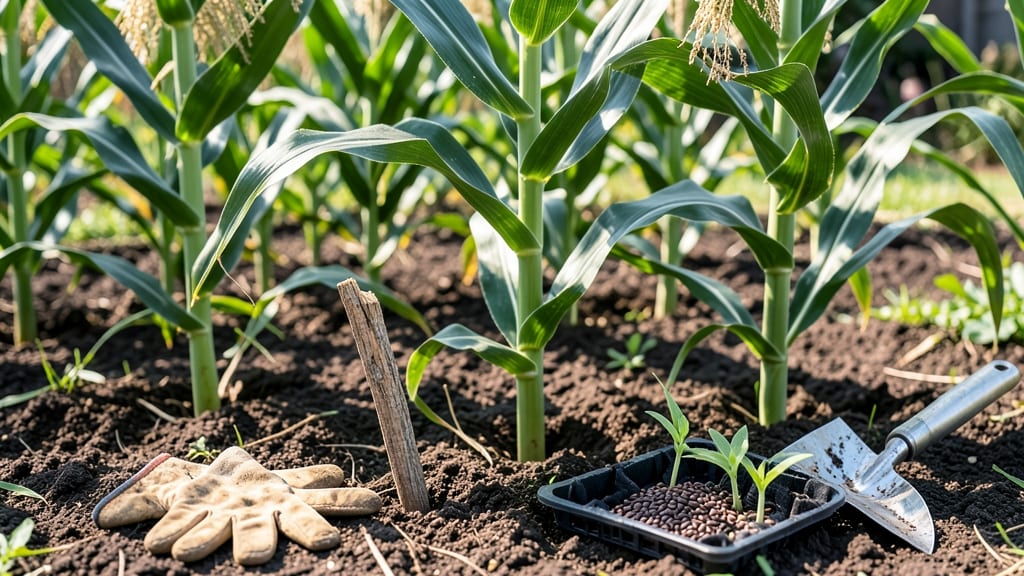
Knowing when to plant corn in Upstate NY makes the difference between a backyard harvest and a sad, wilted disappointment.
The 6a zone here means corn 🌽 needs precise timing—too early, and frost will turn your tender seedlings into sad mush; too late, and summer’s heat will leave you with stunted ears.
Most gardeners here swear by planting between mid-April and late May, but there’s more to it than just dates. Soil temperature matters just as much—wait until it hits at least 60°F before sticking those seeds in the ground.
And let’s not forget the last frost, which usually lingers around mid-May, though Upstate’s microclimates can throw a curveball.
I’ll break down the exact weeks before your last frost to maximize your yield, plus how to adjust for Upstate’s unpredictable weather. Whether you’re growing sweet corn for grilling or field corn for livestock, these tips will help you avoid common mistakes and get the most out of your garden.
Ready to turn your plot into a cornucopia? Let’s dive into the science—and secrets—of planting corn the right way in Upstate NY.
Upstate NY corn planting calendar: exact weeks before last frost by variety
Upstate NY’s USDA Zones 4-5 mean corn planting is a delicate timing game. The average last frost falls around May 15th, but microclimates vary—Adirondack valleys may frost later than Finger Lakes slopes.
For sweet corn, aim to plant 2-3 weeks after your area’s last frost date, when soil temps hit 50°F+ consistently.
Corn thrives on warm soil, not air temperature. Use a soil thermometer to confirm 60°F+ at 4-inch depth. In cooler Zone 4 areas (like North Country), wait until late May—earlier plantings risk rot from cold soil.
For Zone 5 (e.g., Albany or Syracuse), early May plantings work if you use black plastic mulch to warm soil faster.
Here’s your Upstate NY corn planting timeline by variety, accounting for maturity days and regional frost risks:
| Variety Type | Days to Maturity | Planting Window | Soil Temp Threshold | Notes for Upstate NY |
|---|---|---|---|---|
| Sweet Corn (e.g., 'Ambrosia') | 70-85 days | Mid-April to early May | 60°F+ | Plant in blocks, not rows, for pollination. |
| Sweet Corn (e.g., 'Silver Queen') | 65-75 days | Late April to mid-May | 55°F+ | Drought-tolerant; ideal for dry years. |
| Field Corn (e.g., 'Pioneer 3906') | 100-120 days | Early May to late May | 65°F+ | Needs longer season; avoid Zone 4. |
| Popcorn (e.g., 'Glass Gem') | 80-90 days | Late April to early May | 60°F+ | Plant 3-4 plants per stalk for better ears. |
| Dwarf Corn (e.g., 'Golden Bantam') | 60-70 days | Early May to mid-May | 50°F+ | Great for containers or short seasons. |
For succession planting, sow additional seeds every 2 weeks through mid-June to extend your harvest. This works best for short-season varieties like 'Bodacious' (65 days) or 'Peaches and Cream' (70 days). In Zone 4, limit succession to early June—later plantings may not mature before frost.
Check your local Cornell Cooperative Extension for hyper-local frost data. Their NY State Mesonet tracks real-time soil temps, helping you adjust for unpredictable springs. For example, 2023’s late frost in May caught many gardeners off guard—using these tools prevents lost crops.
Pro tip: Black plastic mulch can push your planting window 2 weeks earlier by warming soil. Lay it down 2-3 weeks before planting to maximize heat retention. Pair it with row covers for extra frost protection if early plantings are risky.
Remember: Corn is wind-pollinated, so plant blocks of 4x4 feet, not single rows. This ensures cross-pollination and full ear development. In windy Upstate NY, taller varieties (like 'Ambrosia') may need staking or trellising to prevent lodging.
🌽
How to adjust planting for Upstate NY’s unpredictable weather patterns
Upstate NY’s weather can throw off even the most experienced gardener—late frosts in May, sudden heatwaves in June, or droughts that dry out soil overnight. The key to success? Flexibility. I’ve learned to adapt my planting schedule based on real-time conditions rather than relying solely on average frost dates.
Start by monitoring your local soil temperature. Corn seeds need 50°F+ soil to germinate, but they thrive best when soil hits 60°F+. Use a soil thermometer to check daily, especially in cooler microclimates like the Adirondacks or Catskills.
If temperatures dip, delay planting or use black plastic mulch to warm the soil faster.
Another trick I swear by is staggered planting. Instead of planting all your seeds at once, space them out in 7-10 day intervals to ensure a continuous harvest. This way, if a late frost hits, not all your plants will be lost.
For example, plant half your seeds in mid-April and the rest in late April to early May.
Row covers are my secret weapon against late frosts. Lightweight fabric covers can protect young seedlings until they’re 6 inches tall. I’ve used them successfully in Zone 5 areas like the Finger Lakes to extend the growing season by 2-3 weeks. Just
⚠️ Warning: Heatwaves Can Stress Corn
Upstate NY’s summer heat can cause silk desiccation, where corn silks dry out before pollination. To prevent this:
- ✅ Water deeply during tasseling (when plants flower)
- ✅ Choose drought-resistant varieties like 'Bodacious' or 'Silver Queen'
- ✅ Mulch heavily to retain moisture in the soil
Pro tip: Drip irrigation is far more effective than overhead watering during heatwaves.
Drought is another major challenge. Corn needs 1-2 inches of water weekly, but Upstate NY summers often bring dry spells. Install a rain gauge to track moisture levels and supplement with irrigation if needed.
I’ve had success with soaker hoses buried in the soil to deliver water directly to roots without wasting it on evaporation.
Finally, keep an eye on your local weather forecasts and Cornell Cooperative Extension updates. They often provide real-time alerts for frost risks or heat advisories. Adjust your planting schedule as needed—sometimes the best-laid plans need a little tweaking to match Mother Nature’s whims.
With these adjustments, you’ll be well-prepared to handle Upstate NY’s unpredictable growing conditions and still enjoy a bountiful corn harvest every season. 🌽