
Plants
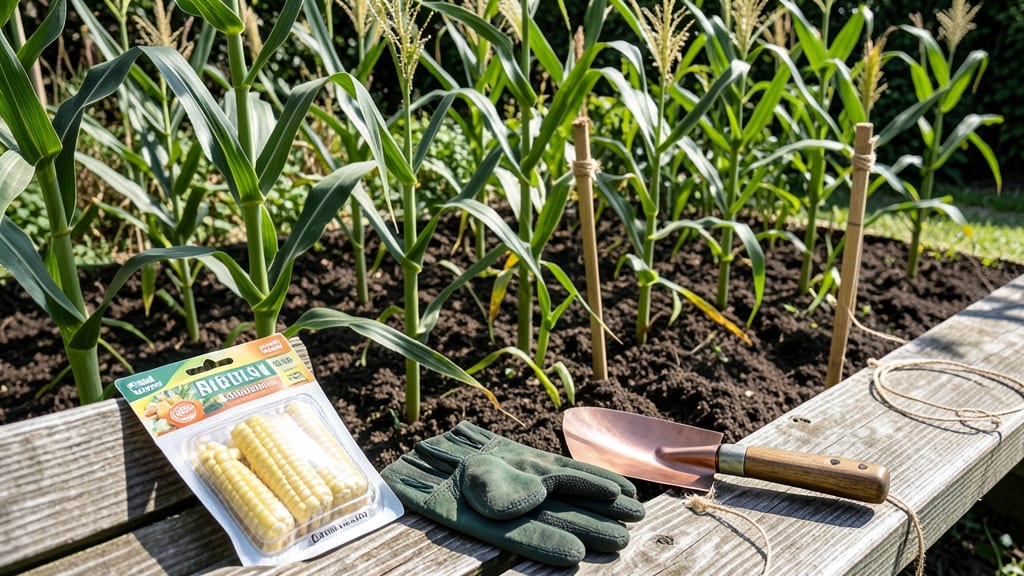
Planting sweet corn 🌽 in Michigan isn’t just about timing—it’s about unlocking the perfect harvest before summer slips away.
With USDA Zones 5b-6b and Michigan’s famously fickle spring weather, getting those seeds in the ground at the right moment can mean the difference between sweet, juicy ears and tough, starchy disappointments.
I’ve grown sweet corn in Michigan for years, and the secret to success lies in waiting for soil temperatures to hit at least 50°F—usually around mid-April to early May—while keeping an eye on frost dates that can shift from year to year.
Too early, and a late frost will wipe out your seedlings; too late, and your corn might struggle to mature before the first fall frost in October.
In this guide, I’ll walk you through the exact planting windows for your zone, how to adjust for Michigan’s unpredictable weather, and which sweet corn varieties thrive best in our short growing season.
Whether you’re a first-time gardener or a seasoned pro, these tips will help you maximize your yield and enjoy homegrown corn at its peak.
Ready to turn your garden into a cornucopia? Let’s dive into the best practices for planting sweet corn in Michigan—so you can enjoy that first sweet bite of summer before it’s over.
Michigan sweet corn planting calendar: best dates by USDA Zone 5-6
Sweet corn thrives in Michigan’s USDA Zones 5-6, but timing is critical—plant too early and frost will kill seedlings, too late and your harvest arrives after summer’s end. The ideal window is mid-April to early May, but this varies by region.
Northern Michigan (Zone 5) has a shorter growing season, while southern Michigan (Zone 6) enjoys a few extra weeks. Always check your last frost date, typically mid-April, and plant 2-3 weeks after.
For peak sweetness, aim to harvest before Michigan’s first fall frost (usually mid-October). Sweet corn needs 90-120 frost-free days to mature, so plan accordingly. Soil temperature is just as important as air temperature—wait until the ground reaches 50°F (10°C) for 1-2 weeks to ensure consistent germination.
A soil thermometer is your best friend here!
Here’s how to adjust your planting schedule based on Michigan’s two distinct regions:
| Region | USDA Zone | Last Frost Date | Ideal Planting Window | Harvest Window | Notes |
|---|---|---|---|---|---|
| Northern Michigan | 5b | Late April - Early May | Mid-May to Early June | Late July - Early August | Choose early-maturing varieties (60-70 days). |
| Southern Michigan | 6a-6b | Mid-April | Late April - Early May | July - Early September | Can plant later and extend season with succession planting. |
If you’re planting in containers, start seeds indoors 4-6 weeks before your last frost date. Transplant seedlings outdoors after hardening them off for 7-10 days. Containers dry out faster, so monitor soil moisture closely—sweet corn hates drought stress during pollination.
Use black plastic mulch to warm soil and retain moisture, especially in cooler northern regions.
For succession planting, sow additional seeds every 2 weeks until mid-June to stretch your harvest. This works best in Zone 6 areas where the growing season is longer.
Space rows 30 inches apart to allow airflow and prevent fungal diseases like corn smut or gray leaf spot, which thrive in Michigan’s humid summers.
Pro tip: Plant different maturity varieties together (e.g., 60-day and 80-day types) to ensure a staggered harvest. This way, you’re not overwhelmed with ears all at once. For example, pair ‘Silver Queen’ (70 days) with ‘Peaches and Cream’ (85 days) for a 3-week harvest window.
Just remember, corn needs pollination, so plant blocks (not single rows) to maximize cross-pollination.
Always test your soil pH before planting—sweet corn prefers 6.0-7.0. Michigan’s clay-heavy soils often need compost or aged manure to improve drainage. Amend beds in fall with 2-3 inches of compost and till lightly in spring to create loose, fertile soil.
Avoid fresh manure, which can burn seedlings and attract pests like cutworms.
Finally, keep an eye on weather forecasts in early spring. If a late frost is predicted after planting, use row covers or cloches to protect tender seedlings. Sweet corn is frost-sensitive, and even a light freeze can stunt growth or kill young plants.
In my garden, I’ve lost entire rows to May frosts, so I now plant extra seeds as a buffer!
With the right timing and a little preparation, you’ll enjoy juicy, sweet corn straight from your Michigan garden—just in time for summer barbecues and fresh salsa. Don’t let Michigan’s unpredictable weather derail your plans; plan ahead, and you’ll reap the rewards! 🌽
How to adjust planting for Michigan’s unpredictable weather patterns
Michigan’s spring weather can be as unpredictable as a detective novel, with late frosts lurking even after Memorial Day. Young sweet corn seedlings are especially vulnerable—a single frost can kill them in their tracks.
To protect your crop, I’ve learned to plan ahead with weather-proofing strategies that work in my Zone 5b garden.
First, always check your local last frost date—not the calendar. In northern Michigan, this can be late May, while southern regions might see frost-free soil by mid-April.
Planting too early is a common mistake; I wait until soil temperatures hit at least 50°F and use a soil thermometer to confirm.
For extra protection, I use row covers or black plastic mulch to warm the soil faster. This isn’t just wishful thinking—studies show it can advance maturity by 2-3 weeks, giving your corn more time to thrive before fall frosts arrive.
I also plant succession crops every 2 weeks to stretch the harvest season.
🌱
⚠️ Late Frost Alert!
Never plant sweet corn before your region’s average last frost date. In Michigan, this can vary by 2-3 weeks between north and south. Use frost cloth if planting early—it’s a lifesaver for seedling protection.
Heatwaves are another Michigan challenge. If temperatures soar above 90°F during pollination, corn ears may develop poorly filled kernels. To combat this, I plant shade-tolerant varieties like ‘Ambrosia’ and use drip irrigation to keep roots cool. Mulching with straw also helps retain moisture and regulate soil temperature.
For gardeners in Zone 6b, you’ve got a slightly longer window—but don’t get complacent. I’ve seen unseasonable cold snaps hit in June, so I always keep emergency row covers on hand.
The key is flexibility: monitor your plants daily and be ready to act if Mother Nature throws a curveball.
Finally, consider succession planting in late June for a fall harvest. Choose fast-maturing varieties (60-70 days) to ensure ears develop before the first frost. With these adjustments, you’ll turn Michigan’s unpredictable weather into an advantage—not a setback.