
Flowers
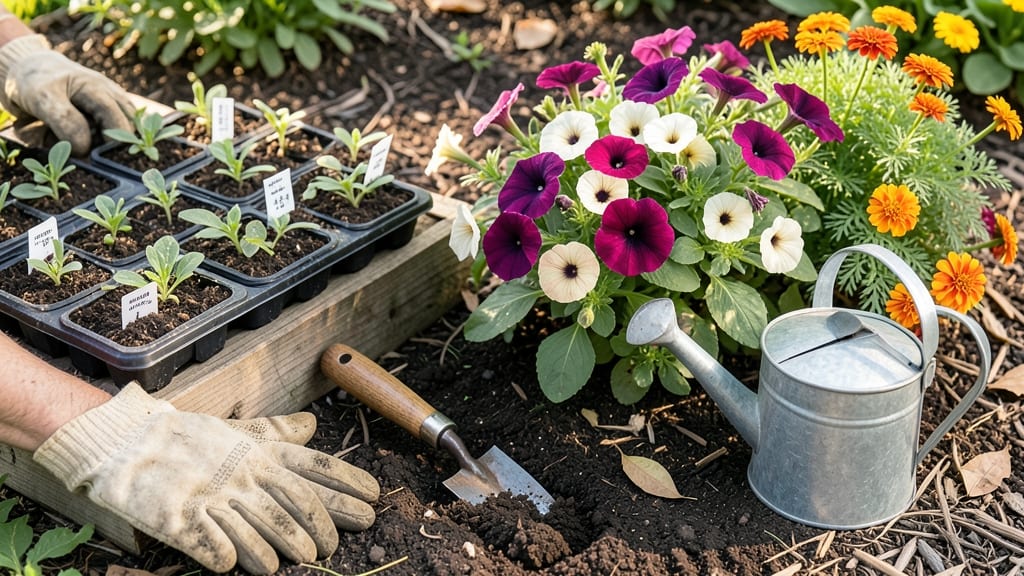
Knowing when it's safe to plant flowers in Missouri can mean the difference between a garden bursting with color and one that never takes off. The Show-Me State’s unpredictable spring weather makes timing everything—plant too early, and frost will nip your blooms in the bud.
But wait too long, and you’ll miss the prime window for vibrant summer displays.
Missouri’s gardening zones range from Zone 5 in the north to Zone 7 in the south, meaning frost dates can vary by weeks.
For example, St. Louis typically sees its last frost around April 15th, while northern regions like Kansas City might not be frost-free until May 1st. These differences matter if you’re dreaming of petunias, marigolds, or perennials like coneflowers.
This guide breaks down the exact planting windows for your region, plus tips for adjusting to microclimates—whether you’re in a city heat pocket or a cooler rural area.
You’ll learn how to use soil temperature, local frost-free date averages, and even simple tricks like row covers to give your flowers the best possible start.
Ready to transform your garden into a blooming paradise? Let’s dive into the perfect planting schedule so you can enjoy flowers from spring through fall—without the guesswork.
Missouri last frost dates by region: exact timelines for flower planting
Missouri’s diverse geography means last frost dates can vary by hundreds of miles. In northern regions like St. Louis County, gardeners often wait until mid-April before planting tender flowers, while southern areas like Springfield can start as early as late March.
These differences are critical for avoiding frost damage to your annuals and perennials.
To pinpoint your exact last frost date, check Missouri State University Extension’s frost-free calculators or use the 3-week rule: Wait until the average last frost date has passed, then add 3 weeks for safety.
This buffer accounts for late-season cold snaps that can still hit in April and early May.
Missouri Last Frost Dates by Region
| Region | Average Last Frost | Safe Planting Window | Notes |
|---|---|---|---|
| Northern MO (e.g., Kansas City) | April 15–20 | May 1–10 | Cooler microclimates; extend with row covers. |
| St. Louis Metro | April 5–10 | April 25–May 5 | Urban heat islands may warm soil faster. |
| Central MO (e.g., Columbia) | April 10–15 | April 25–May 5 | Moderate risk; monitor forecasts. |
| Southwest MO (e.g., Springfield) | March 25–April 5 | April 15–25 | Earliest zone; plant heat-loving flowers first. |
| Southeast MO (e.g., Poplar Bluff) | March 20–30 | April 10–20 | Longest growing season; start tropical flowers early. |
*Dates based on 30-year averages; use local weather apps for real-time updates.
Missouri’s first frost dates in fall also matter for perennials and bulbs. Northern areas typically see frost by October 15–20, while southern regions hold off until November 1–10. Mark your calendar and group plants by hardiness zones (Missouri spans USDA Zones 5b–7a) to plan fall planting.
Pro tip: Use a soil thermometer to confirm soil warmth (60°F+) before planting. Cool soil slows root growth, making flowers more vulnerable to late frosts. In St. Louis, for example, soil may warm faster than air temperatures suggest—don’t rush!
For annual flowers like marigolds or zinnias, wait until after the last frost and soil is consistently 55°F+. Perennials like coneflowers or black-eyed Susans are hardier and can handle light frosts after planting, but avoid heavy snow or below 20°F.
Missouri’s microclimates can shift frost dates by 1–2 weeks. South-facing slopes warm faster, while valleys and low-lying areas stay colder. Observe your yard’s patterns for 3 years to refine your planting schedule. Urban gardens in cities like Kansas City may experience heat island effects, allowing earlier planting.
Always check the National Weather Service or Missouri Climate Center for 10-day forecasts before planting. A single late frost in late April can devastate tender flowers like petunias or geraniums. When in doubt, opt for cold-hardy annuals like pansies or sweet alyssum to extend your season.
Remember: Frost dates are averages, not guarantees. In 2021, St. Louis saw frost as late as May 10, while 2018 had an early last frost on April 1. Plan flexibility into your schedule—your garden’s success depends on it.
For extra protection, use frost cloths or row covers to shield new plants until they’re established. Even a 32°F night can damage young foliage, so don’t skimp on this low-cost insurance.
Missouri last frost dates by region: exact timelines for flower planting
Missouri’s diverse geography means your last frost date could vary by weeks depending on where you live.
In northern Missouri (Zone 5), like in St. Louis County, the average last frost typically falls around April 15th, while southern regions like Springfield (Zone 6) often see frost-free conditions by March 30th. Kansas City sits in the middle, usually hitting April 10th.
But these are just averages—Missouri’s weather is famously unpredictable. For example, Columbia might experience late frosts as late as May 1st in some years, while Joplin in the southwest can be frost-free by March 15th.
Always check local records or use tools like the Missouri State University Extension frost calculator for your exact microclimate.
Here’s a quick reference for Missouri’s major regions to help you plan your flower planting schedule:
| Region | Average Last Frost | Safe Planting Window | Notes |
|---|---|---|---|
| Northern MO (Zone 5) | April 15 | April 20–May 1 | Coldest zone; use row covers |
| St. Louis (Zone 6) | April 10 | April 15–April 30 | Urban heat islands warm soil faster |
| Central MO (Columbia) | April 5 | April 10–April 25 | Variable; check local records |
| Southwest MO (Springfield) | March 30 | April 5–April 15 | Warmest zone; early bloomers thrive |
| Kansas City (Zone 6) | April 10 | April 15–April 25 | Rural areas may be 1 week later |
For annual flowers, wait until after your region’s last frost date to plant heat-loving varieties like marigolds or geraniums. However, cold-hardy perennials like coneflowers or black-eyed Susans can often handle light frosts and can be planted as early as March 15th in southern Missouri.
Pro tip: Use a soil thermometer to confirm soil temperatures are above 60°F before planting warm-season flowers. This ensures roots establish quickly and reduces transplant shock.
Missouri’s first frost typically arrives between October 15th and November 15th, depending on the region. Plan your late-season bloomers like mums or aster accordingly to enjoy color until frost hits.