
Plants
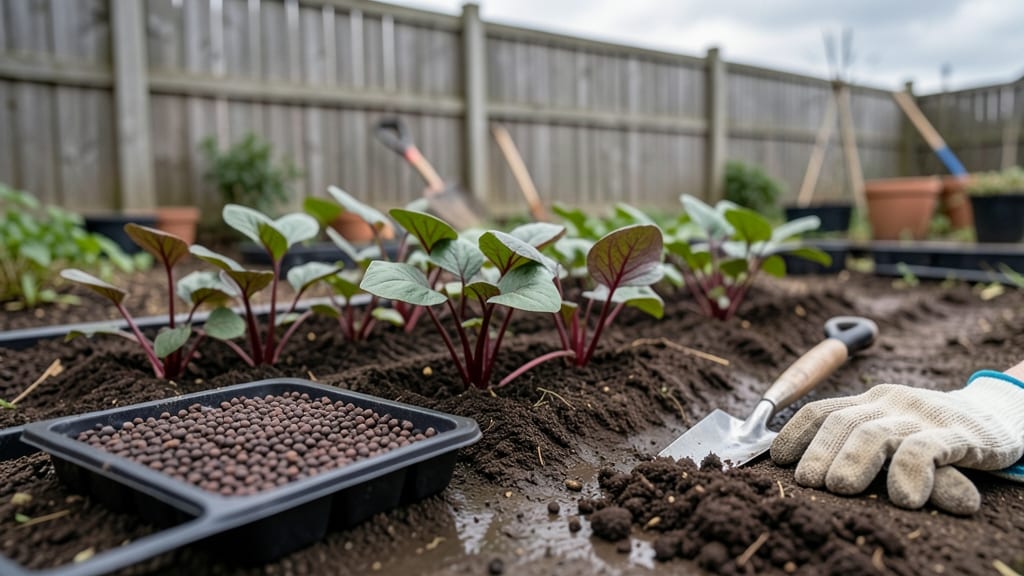
Timing your fall beet planting just right can mean the difference between sweet, tender roots and bitter, tough ones. The key is planting 6-8 weeks before your first frost—not too early (or they’ll bolt) and not too late (or frost will ruin them).
In USDA Zone 6a, that means sowing between late August and early September for a perfect harvest before winter sets in.
Why does this matter? Fall beets often develop deeper, sweeter flavors when grown in cooler weather, and they’re easier to harvest before the ground freezes. But getting the timing wrong can leave you with either premature bolting or roots that never fully mature.
I’ll walk you through the exact window for your region, plus pro tips to extend your growing season and avoid common pitfalls.
If you’ve ever wondered why your beets turn woody or bolt too soon, the answer likely lies in when (or when not) you planted them. The right timing isn’t just about dates—it’s about soil temperature, variety selection, and even how you prepare your garden beds.
Let’s break it down so you can enjoy fresh, homegrown 🍠 all the way into winter.
Ready to grow fall beets that rival your spring harvest? I’ll show you how to time your planting for maximum success, whether you’re a beginner or a seasoned gardener. No more guesswork—just sweet, tender roots ready to pull straight from the soil.
Optimal fall planting timeline for beets by USDA hardiness Zones
Timing your fall beet planting depends entirely on your USDA hardiness zone and first frost date. The golden rule? Sow seeds 6-8 weeks before your first frost to ensure a harvest before winter sets in.
This window gives beets enough time to mature without bolting (flowering prematurely) or suffering frost damage.
For example, in Zone 5 (where first frost hits around October 15), aim to plant between late August and early September. In warmer Zone 9, you can extend planting until mid-November since frost arrives much later.
Adjust for early frosts by planting slightly earlier—10 weeks out—if your area has a history of unexpected cold snaps.
Direct sowing is the best method for fall beets. Transplanting seedlings can stress the roots, making them more vulnerable to bolting or poor growth. Start with thin, evenly spaced seeds (about 1 inch apart) in rows 12 inches apart to avoid overcrowding, which leads to small, misshapen roots.
Here’s how to calculate your ideal planting window: Check your average first frost date (use the USDA Plant Hardiness Zone Map), then count backward 6-8 weeks. For instance, if your frost date is November 1, plant between September 10 and October 1.
Pro tip: Use a soil thermometer to confirm soil temps are below 80°F—beets bolt when soil stays too warm.
| USDA Zone | First Frost Date | Planting Window | Key Consideration |
|---|---|---|---|
| Zones 3-4 | Mid-September to early October | Late July to mid-August | Short growing season—choose fast-maturing varieties like 'Babybeat'. |
| Zones 5-6 | Mid-October | Late August to early September | Classic fall window; ideal for succession planting every 2 weeks. |
| Zones 7-8 | Late November | Late August to October | Extend season with shade cloth if temps rise above 85°F. |
| Zones 9-10 | December to January | September to November | Plant until soil cools below 70°F; mulch heavily for winter harvests. |
*Adjust dates 1-2 weeks earlier for early frosts or later for late frosts.
Succession planting is a game-changer for fall beets. Instead of sowing all seeds at once, plant every 2-3 weeks until 6 weeks before frost. This ensures a steady supply of fresh beets and maximizes your garden space.
For example, if your last planting window is September 15, sow seeds on August 15, August 30, and September 15 for staggered harvests.
Bolting is the #1 enemy of fall beets, triggered by heat stress or long daylight hours. To prevent it, choose bolting-resistant varieties like 'Early Wonder Tall Top' or 'Detroit Dark Red'.
If your area experiences 90°F+ soil temps, use shade cloth (30-50%) to cool the soil and extend the growing season by 2-3 weeks.
Mulching is another secret weapon. Apply 2-3 inches of straw or leaves around plants to insulate roots from temperature swings and retain moisture. This is especially critical in Zones 3-6, where nights can drop below freezing while days stay warm. Mulch also suppresses weeds, reducing competition for nutrients.
Finally, don’t forget to harvest before hard frost (temps below 20°F). Beets left in the ground will become woody and lose sweetness. Pull roots when they’re 1-3 inches wide and leaves are still vibrant. Store harvested beets in a cool, dark place (32-40°F) for up to 3 months.
Optimal fall planting timeline for beets by USDA hardiness Zones
Timing your fall beet planting depends on your USDA hardiness zone and your local first frost date. The golden rule? Plant 6-8 weeks before frost to ensure a harvest before temperatures drop below 20°F (-7°C).
In Zone 3-5, this means sowing seeds in late July to early August, while Zone 6-8 gardeners can wait until mid-August to early September.
Beets are cool-season crops that thrive when soil temperatures drop below 75°F (24°C). Planting too early in hot weather causes bolting (premature flowering), while planting too late risks frost damage before roots mature. Use your local frost date as your starting point—count backward to determine your ideal planting window.
Pro Tip: Check your USDA zone and adjust planting dates by 1-2 weeks if your area has early or late frosts. For example, gardeners in Zone 4 with a September 20 frost date should plant by August 1, while Zone 7 gardeners can wait until mid-September.
| USDA Zone | Planting Window | First Frost Date | Harvest Window |
|---|---|---|---|
| 3-4 | Late July - Early August | September 15 - October 1 | October 1 - November 15 |
| 5-6 | Early August - Mid-August | October 1 - October 15 | October 15 - November 30 |
| 7-8 | Mid-August - Early September | November 1 - November 15 | November 15 - December 15 |
| 9-10 | Late August - Mid-September | December 1 - January 10 | January 10 - February 15 |
Adjust dates by 1-2 weeks for early/late frost regions.
Direct sowing is the best method for fall beets, as transplants struggle to establish roots before frost. Sow seeds ½ inch deep and 1 inch apart, thinning seedlings to 3-4 inches apart once they reach 2 inches tall.
For a continuous harvest, make succession plantings every 2 weeks until 6 weeks before frost.
In warmer climates (Zones 9-10), beets can bolt if sown too early. Use shade cloth or plant in partial shade during peak summer heat. For cooler zones (3-5), focus on early-maturing varieties (like 'Early Wonder') to avoid frost damage.
Always test your soil temperature before planting—ideal temps are 50-70°F (10-21°C). If soil is too warm, wait 1-2 weeks or use row covers to cool the ground. With the right timing, you’ll enjoy sweet, tender beets straight from your garden until winter sets in! 🌱