
Plants
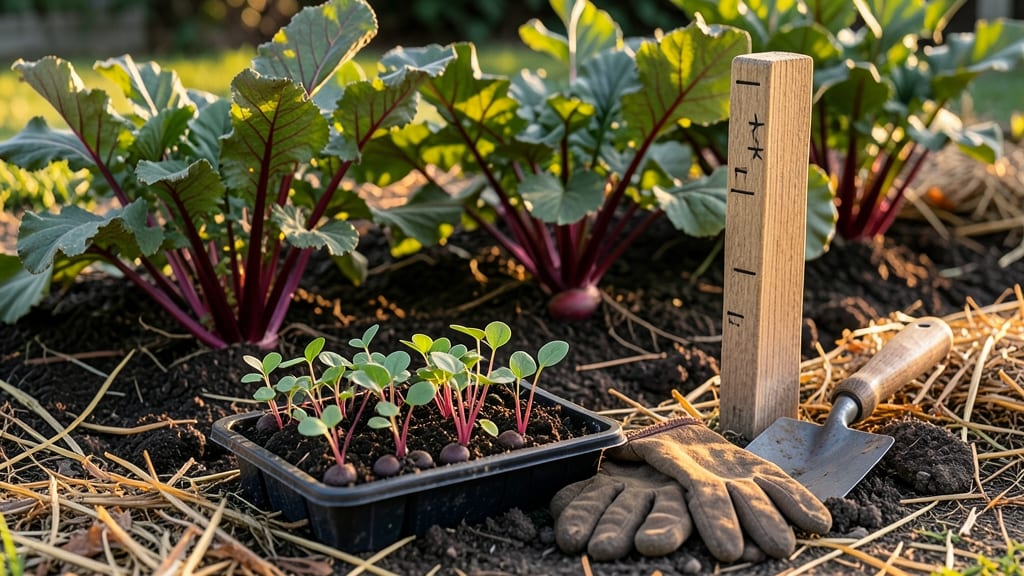
Timing your 🥕 beet planting in Kentucky isn't just about throwing seeds in the dirt—it's the difference between sweet, tender roots and bitter, bolted greens. With Kentucky's 6a-7a climate swings, getting the window right means avoiding those frustrating mid-summer failures.
You've got two prime chances to plant: spring (March 15-April 30) and fall (August 15-September 30), but each season plays by its own rules. Skip the wrong timing, and you'll end up with beets that taste like disappointment instead of dinner.
Let me show you exactly how to nail those planting dates for perfect harvests.
The key is understanding your local microclimate—whether you're in the Bluegrass region or Cumberland Plateau—and how it affects your frost-free days. We'll cover soil prep, temperature tricks, and even container gardening options so you can grow beets no matter your space.
By the end, you'll know exactly when to plant for June-July and October-November harvests, plus how to stretch your growing season with smart succession planting. Ready to grow the best beets Kentucky has to offer?
Optimal Kentucky beet planting dates for spring and fall success
Kentucky’s USDA Zones 6a-7a offer two prime windows for growing sweet, tender beets: spring and fall. The key is planting when soil temperatures hover between 50-70°F, giving roots time to mature before summer’s heat or winter’s frost.
In my garden, I’ve learned that timing isn’t just about dates—it’s about microclimates across Kentucky’s regions.
Spring plantings should begin 2-3 weeks before Kentucky’s last frost date (typically March 15 in most areas). However, if you’re in cooler Bluegrass Region areas like Lexington, start even earlier—around February 20—to take advantage of cooler soils.
For Pennyrile (Western KY) or Cumberland (Eastern KY) zones, wait until March 1 to avoid frost damage.
| Season | Planting Window | Soil Temp | Harvest Window | Key Tip |
|---|---|---|---|---|
| Spring | March 15 - April 30 | 50-70°F | June - July | Use shade cloth if temps exceed 80°F |
| Fall | August 15 - September 30 | 60-75°F | October - November | Plant 6-8 weeks before first frost |
Fall plantings are equally critical—start seeds August 15 in Northern KY (like Bowling Green) and push to September 15 in Southern KY (e.g., Paducah) to ensure roots mature before the November 1 average first frost.
I’ve found that Chioggia beets (with their striped roots) handle fall’s cooler temps better than Detroit Dark Red, which can become woody if exposed to early frosts.
For both seasons, succession planting every 2 weeks ensures a continuous harvest. In my 10x10 ft raised beds, I sow 1/2 inch deep in rows 12 inches apart, thinning seedlings to 3-4 inches apart when they’re 2 inches tall.
This spacing prevents competition and reduces the risk of bolting from overcrowding.
Kentucky’s humidity and summer heat can trick beets into bolting (flowering prematurely), so I always plant early spring and late summer varieties. For example, ‘Babybeat’ matures in just 50 days, perfect for May plantings when soil is warm but summer’s peak hasn’t arrived.
Meanwhile, ‘Golden’ beets tolerate slight heat better and work well for late August sowings.
One pro tip: Test soil temperature with a soil thermometer before planting. Beets germinate poorly in soils below 50°F—if your garden is still chilly, opt for cold-hardy varieties like ‘Burpee’s Golden’ or use black plastic mulch to warm the soil faster.
In my Louisville garden, this has cut germination time from 3 weeks to just 10 days.
Container growers in Kentucky can also succeed by planting in 5-gallon pots filled with well-draining potting mix. Start seeds indoors 4-6 weeks before last frost, then transplant outdoors after soil warms.
Just ensure containers get 6+ hours of sun and water consistently—beets in pots dry out 3x faster than in-ground plants.
Finally, keep an eye on local weather forecasts. A late frost or unexpected heatwave can derail your beet harvest.
In 2022’s unusually warm April, my March-planted beets bolted by May 10—a lesson that taught me to always have a backup planting ready for late April if spring drags on.
How to avoid bolting and ensure sweet beets in Kentucky’s heat
Kentucky’s summer heat can turn sweet beets bitter or cause them to bolt prematurely, ruining your harvest. The key to preventing this is strategic planting and heat management. Beets thrive in cooler temperatures, so avoiding peak summer heat is essential for tender, flavorful roots.
One of the best ways to keep your beets from bolting is by planting them during cooler months—either in early spring (March–April) or late summer (August–September). This timing aligns with Kentucky’s USDA Zones 6a–7a, where temperatures stay mild enough to prevent stress.
If you’re determined to grow beets in summer, use shade cloth to reduce heat exposure. A 30–50% shade cloth can lower soil and air temperatures by 10–15°F, giving your beets a fighting chance against bolting. Pair this with succession planting every 2–3 weeks to ensure a continuous harvest.
- 1. Plant in cooler months: Avoid May–July heat; stick to March–April or August–September.
- 2. Use shade cloth: 30–50% coverage reduces heat stress and bolting risk.
- 3. Succession plant: Sow seeds every 2–3 weeks for a steady harvest.
- 4. Choose heat-tolerant varieties: Try Detroit Dark Red or Chioggia for better summer performance.
- 5. Mulch heavily: Use straw or grass clippings to keep soil cool and moist.
Another critical factor is watering consistency. Beets need 1 inch of water per week, but uneven moisture can trigger bolting. Water deeply in the morning to reduce evaporation and stress. Avoid overhead watering, which can promote fungal diseases in Kentucky’s humid climate.
Finally, select beet varieties that handle heat better. Detroit Dark Red is a classic choice for Kentucky gardens, while Chioggia (with its striped roots) tolerates slightly warmer conditions. For fall plantings, opt for cold-hardy varieties like Golden or Babybeat to extend your harvest into October.
By combining the right planting timing, shade solutions, and variety selection, you’ll avoid bitter, bolting beets and enjoy sweet, tender roots all season long. 🥕