
Plants
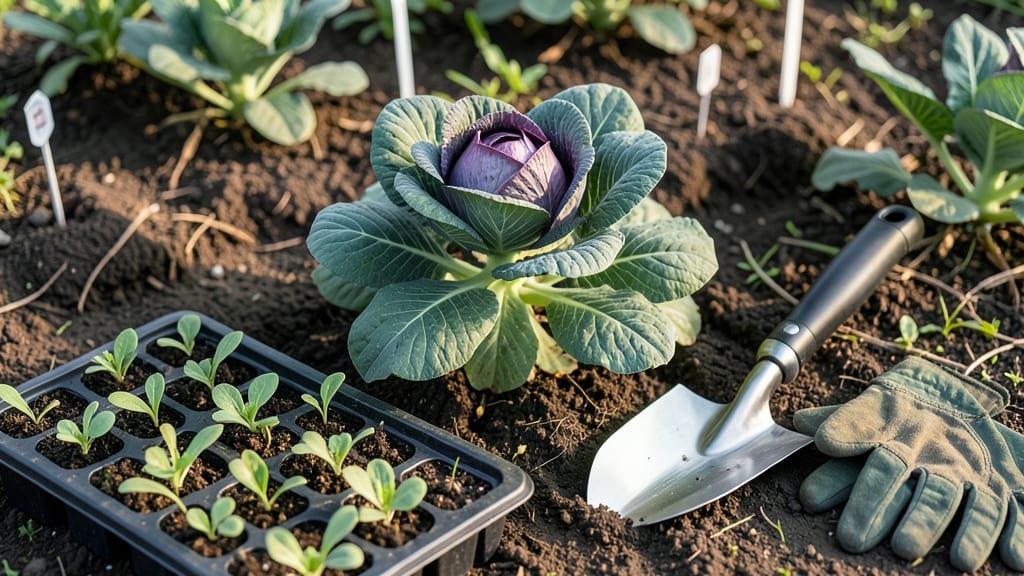
If you're dreaming of crisp, homegrown 🥬 cabbage straight from your Kentucky garden, when to plant cabbage in the garden here is the game-changer you can't afford to miss. Planting too early risks frost damage, while waiting too long means heat stress turns your heads into tough, bitter disappointments.
The key to success lies in Kentucky's 6a-7a zones, where spring and fall planting windows create the perfect balance for flavorful harvests.
I've spent years perfecting my Kentucky garden schedule, and what I'm about to share will help you avoid the most common mistakes that waste time and effort.
Whether you're starting seeds indoors or sowing directly in the garden, knowing exactly when to plant gives you a 165-day frost-free advantage that makes all the difference. Let's dive into the precise planting dates that work for your region.
Spring planting should begin between March 15 and April 30, while fall planting offers another chance from August 15 to September 30. These windows align perfectly with Kentucky's climate patterns, giving your cabbage the ideal growing conditions without the stress of extreme temperatures.
I'll walk you through exactly how to time your planting for maximum success, no matter which season you choose.
What makes this even better? You'll discover how to adjust for Kentucky's microclimates, from Louisville's urban heat islands to Lexington's clay soils. With these pro tips, you'll be harvesting crisp, flavorful cabbage in June-July and again in October-November—just in time for your favorite fall recipes.
Let's get started on your perfect planting schedule.
Kentucky cabbage planting dates by Zone 6-7B: exact frost-free windows
Timing your cabbage planting in Kentucky hinges on two critical windows: spring (March-April) and fall (August-September). These periods align with your USDA Zones 6-7B, where average last frost dates fall between April 1-15 and first frosts arrive October 15-30.
I’ll break down the exact dates for both direct sowing and transplanting seedlings to avoid frost damage or heat stress.
For spring cabbage, start seeds indoors 4-6 weeks before your last frost (around February 15-March 1). Transplant hardened-off seedlings 2-3 weeks before last frost (early April). Fall planting requires more precision: sow seeds 100-120 days before first frost (late August for Zone 6, early September for Zone 7B).
This ensures mature heads before cold sets in.
Your soil temperature must reach at least 40°F (4°C) for seeds to germinate. In Kentucky, this typically occurs by mid-March in most regions, but highland areas (like Eastern KY) may need to wait until late March. Use a soil thermometer to confirm—cold soil delays germination by weeks.
Popular head cabbage varieties like Green Cow and Golden Acre thrive in Kentucky’s climate when planted within these windows. Early varieties (e.g., Early Jersey Wakefield) can tolerate cooler temps, while late varieties (e.g., Late Flat Dutch) need the extended heat of summer for full development.
🌱 Kentucky Cabbage Planting Timeline
| Season | Planting Window | Action | Notes |
|---|---|---|---|
| Spring | March 15 - April 30 | Direct sow or transplant | Avoid frost; use row covers if needed |
| Spring (Indoor Start) | February 15 - March 1 | Start seeds indoors | Hardening off required before transplant |
| Fall | August 15 - September 30 | Direct sow or transplant | 100-120 days before first frost |
| Soil Temp | ≥40°F (4°C) | Check before planting | Use thermometer for accuracy |
| Harvest Window | June-July, Oct-Nov | Pick at peak firmness | Avoid heads splitting from heat |
If you’re growing savoy cabbage (like Napa), extend your fall window by 2-3 weeks—these varieties tolerate cooler temps better. For summer planting (June-July), opt for quick-maturing varieties like Crimson Glory to avoid bolting.
Shade cloth (30-50%) can help during Kentucky’s hot, humid summers (July-August), where temps often exceed 90°F (32°C).
Pro tip: Mark your last frost date on your calendar and count backward. For spring, aim for April 15 (Zone 6) or April 1 (Zone 7B). For fall, work from October 15 (Zone 6) or October 30 (Zone 7B).
This ensures your cabbage heads mature before cold snaps hit. Use row covers if late frosts threaten—even a light frost can damage young plants.
Kentucky’s humidity also plays a role. In Louisville and Lexington, where summers are muggy, prioritize well-draining soil and morning watering to prevent fungal diseases like downy mildew. In Appalachian regions, cooler nights may delay planting by 1-2 weeks—always adjust based on your microclimate.
For container gardening, start seeds 2 weeks earlier than ground planting to account for slower soil warming in pots. Use 5-gallon containers for full-sized heads, and place them in south-facing spots for maximum sunlight.
Containers dry out faster, so monitor soil moisture closely during Kentucky’s dry spells (common in late summer).
Remember: Cabbage is a cool-season crop, but it bolts (goes to seed) when stressed by heat. In Kentucky, this typically happens after mid-July for spring plantings. To delay bolting, provide afternoon shade during peak summer heat and keep soil consistently moist.
Mulch with straw or shredded leaves to retain moisture and regulate soil temperature.
How to adjust cabbage planting for Kentucky’s microclimates and soil types
Kentucky’s diverse geography—from Louisville’s urban heat islands to Lexington’s heavy clay soils—means your cabbage’s success depends on local adjustments. The Appalachian highlands stay cooler longer, while lowland areas near the Ohio River heat up faster in spring.
Even a 5°F temperature difference can mean the difference between thriving plants and bolting. Here’s how to adapt your planting strategy for your specific corner of the Bluegrass State.
Start by testing your soil’s pH level. Cabbage thrives in 6.0-7.0 pH, but Kentucky’s native soils often run acidic (5.0-6.0). Amend with lime or wood ash 2-3 weeks before planting to avoid shocking roots.
In clay-heavy areas like Lexington, mix in 3-4 inches of compost to improve drainage and aeration. Urban gardeners in Louisville should prioritize container gardening to escape heat buildup in pavement.
Container Gardening vs. In-Ground Planting
Container Gardening
- ✅ Pros: Warmer soil in spring, cooler in summer, mobile for sun/shade
- ✅ Best for: Urban areas, small spaces, heat-sensitive varieties
- ✅ Tip: Use 10-15 gallon pots with drainage holes
In-Ground Planting
- ✅ Pros: Better root development, consistent moisture, lower maintenance
- ✅ Best for: Well-drained soils, larger gardens, cooler microclimates
- ✅ Tip: Plant on raised beds in clay soils
For summer planting in hot areas, use shade cloth (30-50%) during peak afternoon sun to prevent bolting. In Appalachian regions, you can extend your fall harvest by planting 10-14 days later than lowland areas.
Always monitor soil temperature—cabbage seeds need 45°F minimum to germinate, while seedlings thrive in 60-75°F soil.
Mulching is your secret weapon. Apply 2-3 inches of straw or shredded leaves after transplanting to retain moisture and regulate soil temperature. In sandy soils, mulch also prevents nutrients from washing away.
For clay soils, add pine needles or grass clippings to improve structure over time. Remember: Mulch too early (before soil warms) delays germination.
If you’re in Zone 7B, consider succession planting every 2 weeks from March to April for continuous harvests. In Zone 6a, focus on fall planting after August 15 to avoid heat stress. Always choose slow-bolting varieties like ‘Golden Acre’ or ‘Red Express’ for Kentucky’s unpredictable summers.
Pro tip: Use a soil thermometer to track temperatures. In Kentucky, morning soil temps can be 10°F cooler than afternoon readings—plant when mornings hit 50°F consistently. For container gardeners, black pots absorb heat faster than white, so adjust your planting window accordingly.
Finally, watch for localized frost pockets in valleys or low areas. These can occur 2-3 weeks after the official last frost date. Use row covers or cold frames for early spring plantings in these zones to give seedlings a fighting chance.