
Plants
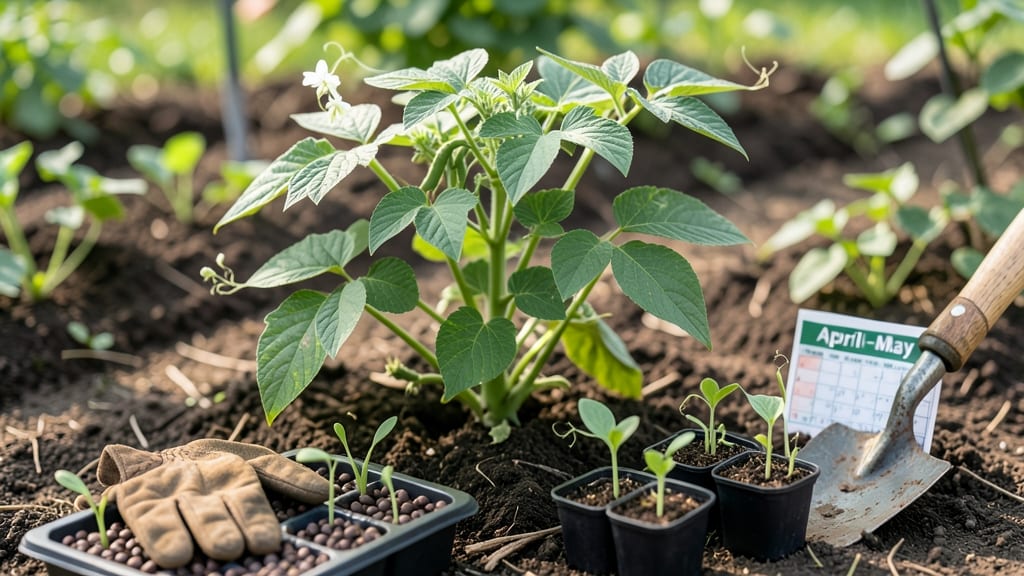
If you're planting beans in Indiana this spring, timing is the key to avoiding bitter, stringy pods—or worse, a crop that bolts before you even get a harvest. The USDA Zone 6a window is narrow, and getting it wrong means sacrificing sweet, tender beans all season.
Most Indiana gardeners know the general rule: wait until after the last frost, but what you might not realize is that soil temperature matters just as much. Beans thrive when the ground reaches 60°F, which typically aligns with mid-April through early June.
Plant too early, and cold soil can stunt growth; too late, and heat stress triggers early flowering—leaving you with tough, seedy pods.
I’ve grown beans in Indiana for years, and the difference between a successful harvest and a disappointing one often comes down to these details.
Whether you’re sowing bush beans for quick pickings or pole beans for a longer season, knowing the exact deadlines and soil conditions will help you avoid common mistakes.
In this guide, I’ll break down the perfect planting windows, soil prep tips, and even how to extend your harvest into fall. Let’s get those beans in the ground at the right time—so you can enjoy fresh, homegrown pods from July through September.
Indiana bean planting deadlines by variety: avoid bolting with exact dates
Indiana’s USDA Zone 6 climate demands precision when planting beans—get it wrong, and you’ll either lose your crop to frost or watch it bolt prematurely. The key is planting when soil temperatures hit 60°F+ and the last frost has passed (typically April 15, but verify locally).
For bush beans, aim for April 20–May 10, while pole beans thrive with a slightly later start (May 1–June 1).
Why the difference? Bush beans mature faster (50–60 days), so they need an earlier window to avoid summer heat stress.
Pole beans, with their 60–75-day growth cycle, handle Indiana’s July heat better but require trellises for support. Specialty varieties like yard-long beans or heirloom types need even more warmth—wait until late May to avoid bolting.
Here’s your Indiana bean planting timeline broken down by variety, including soil temp thresholds and frost risk:
Pro tip: Use a soil thermometer to confirm temps—beans won’t germinate below 60°F. If your soil is cooler, try black plastic mulch to warm it faster. For northern Indiana (Zone 5b), delay until May 1 to avoid late frosts.
Bolting is your worst enemy in Indiana’s heat. To prevent it, avoid planting after June 1 unless you’re growing heat-loving varieties. Instead, opt for succession plantings every 2 weeks until early July to keep a steady harvest.
For example, plant Blue Lake bush beans on April 20, May 5, and May 20 for a staggered yield.
Don’t forget: Pole beans need trellises installed before planting—they’ll climb aggressively! Use 6-foot stakes or a teepee structure for support. For container gardening, choose bush varieties like Contender and plant in 5-gallon pots with well-draining soil.
Indiana’s humidity can also stress beans, so prioritize airflow by spacing plants 3–4 inches apart (bush) or 4–6 inches apart (pole). If your garden is shady, opt for pole beans—they tolerate partial shade better than bush types. Just be prepared for smaller yields.
For a fall harvest, try planting heat-tolerant varieties like Scarlet Runner in late July. These beans thrive in cool September weather and can produce pods until the first frost (mid-October). Just monitor for bean beetles—they love late-season crops!
Final rule: Never plant beans in cold soil. If your ground is still chilly in May, wait a few weeks or use row covers to protect young plants. With these deadlines, you’ll enjoy sweet, tender beans from July through September—no bolting in sight! 🌱
How to extend your Indiana bean harvest season: succession planting tips
Indiana’s short growing season means you don’t have to settle for a single harvest of beans. With succession planting, you can stretch your production from early summer through fall—even in USDA Zone 6a.
The trick is spacing out plantings every 2-3 weeks after your first sowing, which keeps a steady supply of fresh pods while avoiding the dreaded bolting that comes with heat stress.
I’ve found that heat-tolerant varieties like ‘Blue Lake’ and ‘Contender’ perform best in late-season plantings. These varieties handle Indiana’s July and August heat better than traditional types, giving you a second harvest when many gardeners are already pulling up their beans.
For a fall crop, aim to plant by mid-July, giving the beans about 60 days to mature before frost hits in mid-October.
For those late-season plantings, use shade cloth (30-50% coverage) to protect young seedlings from intense afternoon sun. This simple trick can buy you an extra 2-3 weeks of growth before the first frost.
I’ve also had success with mulching heavily around plants to keep soil temperatures stable and moisture levels consistent.
🌱 Numbered Highlights for Extended Harvests
- Start succession plantings every 2-3 weeks after your first sowing for continuous harvests.
- Choose heat-tolerant varieties like ‘Blue Lake’ or ‘Contender’ for late-season success.
- Use 30-50% shade cloth in July/August to protect seedlings from heat stress.
- Plant for a fall harvest by mid-July, aiming for a 60-day maturity before frost.
- Apply mulch to retain soil moisture and stabilize temperatures for late plantings.
- Harvest every 2-3 days in peak season to encourage more pod production.
Don’t overlook soil preparation for late plantings. Amend your soil with compost or aged manure before sowing to ensure nutrients are available during the shorter growing window.
I’ve also had better luck with raised beds for late-season beans—they warm up faster in spring and drain better, reducing the risk of fungal diseases in humid Indiana summers.
If you’re short on space, consider interplanting beans with early crops like lettuce or radishes. Once the lettuce is harvested, your beans will have full access to sunlight and nutrients. This method maximizes your garden’s productivity while keeping your bean harvests coming in waves throughout the season.
Remember, the goal is to avoid bolting while extending your harvest. By following these strategies, you’ll enjoy fresh, tender beans well into September—long after your neighbors have given up on their gardens. Happy planting! 🌱