Plants
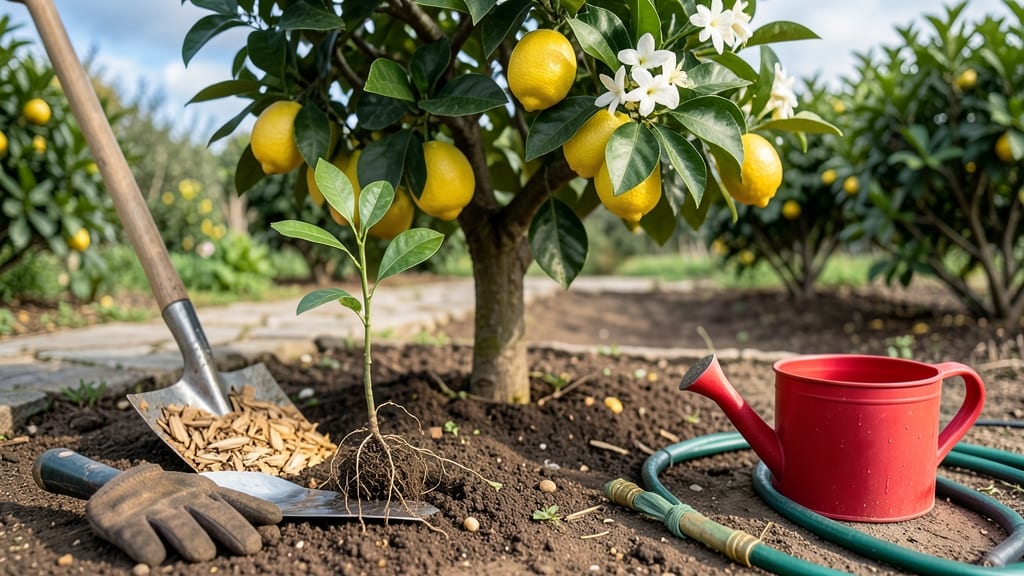
Planting a lemon tree 🍋 in California at the wrong time can mean the difference between a thriving fruit-bearing tree and one that struggles to survive. With coastal regions like San Diego enjoying year-round warmth and inland deserts facing sudden cold snaps, timing isn't just important—it's everything.
You might think California's mild climate means you can plant anytime, but that's not the case. The best time to plant depends on where you live—coastal areas have a longer window, while inland zones need careful timing to avoid frost damage.
Let me break down the science-backed schedule so you can give your lemon tree the perfect start.
Whether you're planting in a container or directly in the ground, understanding your local microclimate is key. We'll cover everything from soil prep to post-planting care, ensuring your tree thrives no matter which part of California you're in.
Ready to grow your own lemons? Let's dive into the ideal planting windows and what makes each season work best for your region.
California lemon tree planting calendar: coastal vs. inland climate zones
California’s diverse microclimates mean your lemon tree’s planting window can vary dramatically between coastal areas like San Diego and inland desert regions near Palm Springs. While coastal zones (USDA 10-11) enjoy mild winters, inland areas (USDA 9b) face occasional frost risks.
The key to success? Planting when root establishment aligns with your local climate’s natural rhythms.
For most of California, fall through early spring (November–March) offers ideal conditions—cooler temps reduce transplant shock, and winter rains (in coastal areas) provide natural hydration. However, inland deserts benefit from spring planting (February–April) to avoid summer heat stress. Let’s break down the exact windows for your region.
🌱 COASTAL CALIFORNIA (e.g., LA, San Diego, Monterey): Plant anytime between November and April. Coastal areas rarely see frost, so you can extend planting into early spring. The cool, damp winters help young roots establish before summer’s heat arrives.
🏜️ INLAND/DESERT CALIFORNIA (e.g., Central Valley, Palm Springs, Riverside): Aim for February through April. Planting too early risks winter chill, while summer planting (May–October) stresses young trees with extreme heat. Container planting extends your window—you can move pots to shaded areas during heatwaves.
📅 UNIVERSAL RULES FOR ALL REGIONS: - Avoid planting during peak summer months (June–August) unless using shade cloth or containers. - Bare-root trees plant best in winter (Dec–Feb) when dormant. - Container-grown trees can plant year-round but thrive best in fall or spring.
Pro tip: If you’re in a transition zone (e.g., Santa Barbara or San Francisco Bay Area), monitor local chill hours—lemon trees need 200–400 hours below 45°F annually. Use a frost cloth if planting in late fall to protect young trees.
For container planting, the rules relax slightly. You can plant year-round in pots, but spring or fall still yields the best results. Containers heat up faster in summer, so use 5+ gallon pots with drainage holes and move them to shaded areas during heatwaves.
Remember: Soil temperature matters just as much as air temperature. Lemon trees thrive when soil stays above 60°F. Use a soil thermometer to check—if it’s cooler than that, wait a few weeks before planting.
🌿 Whether you’re in coastal Malibu or inland Fresno, aligning your planting with these windows ensures your lemon tree gets off to a healthy, stress-free start. Next, we’ll dive into the 5 critical factors that determine whether your tree thrives or struggles—regardless of when you plant.
California lemon tree planting calendar: coastal vs. inland climate zones
California’s diverse climate means your lemon tree planting window depends on whether you live near the coast or inland.
Coastal areas like San Diego and Santa Barbara enjoy mild winters and can plant year-round, while inland zones like Sacramento or the Central Valley face frost risks that narrow the ideal window to late winter or early spring.
For coastal regions (USDA zones 10-11), the best time to plant is fall (October–December) or early spring (February–March). This gives roots time to establish before summer heatwaves. Inland areas (USDA zones 9b-10) should aim for January–March to avoid late-winter frosts that can kill young trees.
Here’s how the planting windows break down by climate zone, including key temperature thresholds to watch:
| Region | Best Planting Window | Temperature Threshold | Container vs. Ground |
|---|---|---|---|
| Coastal (e.g., San Diego, Santa Barbara) | Fall (Oct–Dec) or Spring (Feb–Mar) | Avoid below 32°F (rare) | Both; containers allow winter protection |
| Inland (e.g., Sacramento, Central Valley) | Late Winter (Jan–Mar) | Wait for consistent 50°F+ nights | Ground preferred; containers need insulation |
| Desert (e.g., Palm Springs, Coachella) | Fall (Sept–Nov) or Spring (Mar–Apr) | Avoid summer heat (above 90°F) | Containers ideal for mobility |
If you’re planting in containers, you can extend your window slightly by moving pots indoors during cold snaps. However, ground-planted trees need stable soil temperatures (60°F+) to root successfully. Use a soil thermometer to check—roots won’t establish well in cooler soil.
For dwarf varieties, which are popular in urban areas, late winter (February) is ideal. These trees mature faster but still need 6+ hours of sun daily. Place them in south-facing spots to maximize warmth, especially in cooler microclimates like the San Francisco Bay Area.
Pro tip: If you miss the ideal window, bare-root trees planted in winter (Dec–Jan) can still thrive with proper mulching. Just avoid planting during heatwaves (June–Sept), as young roots can’t handle the stress.