
Plants
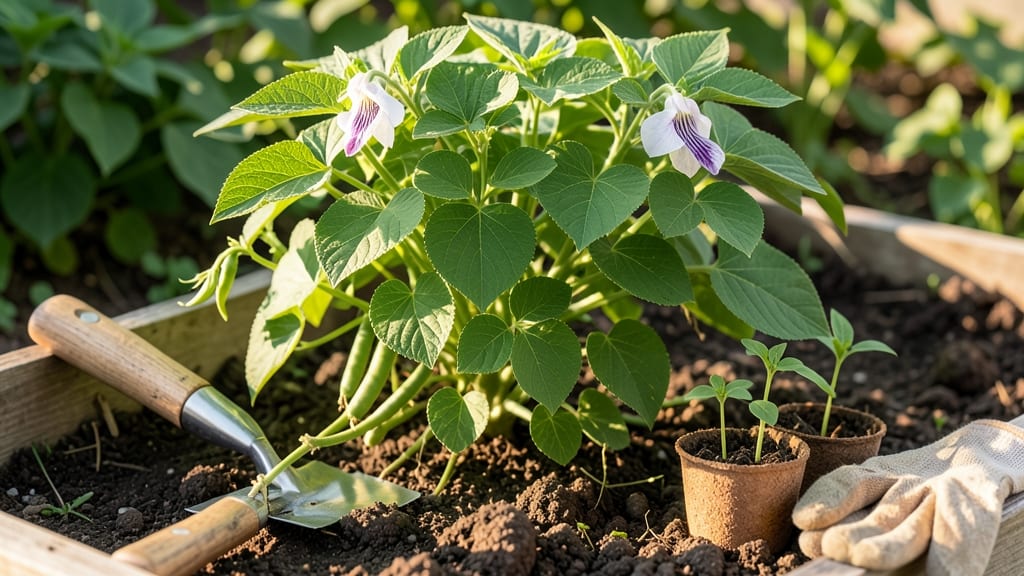
Timing your bean 🌱 planting in Colorado isn't just about checking a calendar—it's about mastering the delicate balance between elevation, frost patterns, and your specific variety. Get it wrong, and you might end up with wilted seedlings or stunted growth before harvest season even begins.
With USDA zones 5-7 and diverse microclimates from the Front Range to the Western Slope, Colorado gardeners face unique challenges. The after-last-frost window (typically April 15-June 1) varies dramatically depending on whether you're planting at 5,000 feet or 8,000 feet above sea level.
In this guide, I'll break down exactly when to plant beans in your specific zone, which varieties thrive best at different elevations, and how to extend your harvest through smart succession planting.
Whether you're growing bush beans for quick pickings or pole beans for a vertical garden, you'll find the precise timing that works for Colorado's unpredictable spring.
We'll also cover practical strategies like soil warming techniques and cold-tolerant varieties that can give you an edge when Mother Nature throws curveballs. Let's make sure your bean plants get the perfect start—and you get that abundant harvest you're dreaming of.
Colorado bean planting dates by elevation zone (with frost risk charts)
Colorado’s three distinct elevation zones dramatically impact when you can safely plant beans. Lowland areas (3,000–5,000 ft) like Denver have earlier last-frost dates (mid-April), while mountain regions (7,000+ ft) may not thaw until late May or June.
Even within zones, microclimates near rivers or urban heat islands can shift planting by weeks.
Beans thrive in warm soil (60°F+) and consistent temperatures above 50°F. Cold snaps after planting can stunt growth or kill seedlings entirely. For pole beans, which take 60–70 days to mature, timing is critical to avoid late-season frosts that blacken pods.
Use Colorado State University’s frost charts as your baseline, but always verify with local CoCoRaHS weather stations. My Front Range garden in 5,000 ft elevation lost a bush bean crop last year when a May 10 frost hit—despite planting on April 25.
Colorado Bean Planting Timeline by Elevation
| Elevation Zone | Last Frost Date | Ideal Planting Window | Soil Temp Goal | Frost Risk (July) |
|---|---|---|---|---|
| Lowland (3,000–5,000 ft) | April 15–May 1 | April 20–May 15 | 60°F+ | Low (5%) |
| Foothills (5,000–7,000 ft) | May 1–15 | May 10–June 1 | 60°F+ | Moderate (15%) |
| Mountain (7,000+ ft) | May 15–June 1 | June 1–15 | 65°F+ | High (30%) |
Source: CSU Extension 2023, adjusted for microclimates
For succession planting, stagger seeds every 2 weeks until June 15 in lowland zones. This ensures a continuous harvest through September, when daylight shortens and temperatures drop. My pole beans on a trellis produced pods for 8 weeks straight using this method.
Lima beans are the most cold-tolerant variety, handling 45°F soil and light frosts. Plant them 2–3 weeks earlier than bush or pole beans. In high-altitude gardens, I’ve seen 'Fordhook' lima beans survive 32°F nights if mulched heavily with straw.
Always test soil temperature with a soil thermometer—beans won’t germinate below 55°F. Black plastic mulch can raise soil temps by 5–10°F in cool microclimates. Last year, my 6,000 ft garden needed mulch to hit 60°F by May 20.
Colorado’s Western Slope (e.g., Grand Junction) has earlier springs than the Front Range due to desert-like conditions. Plant 3–4 weeks earlier than Denver’s schedule. Dry heat also means more frequent watering—aim for 1–2 inches per week.
If you miss the primary planting window, try container gardening on patios or balconies. Dwarf varieties like 'Mascotte' mature in 50 days and thrive in 5-gallon pots. I’ve grown beans on my Denver balcony in July with supplemental grow lights.
Track your local frost dates via the National Weather Service or Mountain Weather Center. In 2022, a September frost in Fort Collins ruined late-planted bush beans. Always have a backup plan—like row covers—for unpredictable weather.
How to adjust bean planting for Colorado’s unpredictable weather patterns
Colorado’s weather can shift faster than a mountain breeze—one day it’s 60°F and sunny, the next it’s 32°F with snow. To protect your bean plants, I’ve learned to use season-extending tricks that work even when Mother Nature throws curveballs.
Start by choosing cold-tolerant varieties like 'Mountain White' or 'Blue Lake', which handle light frosts better than most.
If late frosts threaten your early planting, set up row covers or cold frames to shield seedlings. These lightweight fabrics trap heat and can raise soil temperatures by 5-10°F, giving your beans a fighting chance.
I’ve used them successfully in Denver’s foothills to extend the growing season by 3-4 weeks.
For soil warming, try black plastic mulch or dark-colored landscape fabric. Spread it over garden beds 2-3 weeks before planting to absorb sunlight and raise soil temperatures faster.
This is especially helpful in higher elevations where cold soils delay germination. Pair it with straw mulch afterward to retain moisture and regulate temperature swings.
🌱 5 Pro Tips for Colorado Bean Planting
- 📅 Plant in succession: Sow seeds every 2 weeks from May to June for a staggered harvest.
- 🌡️ Use a soil thermometer: Wait until soil hits 60°F+ before planting—cold soil stunts growth.
- 🏔️ Pick microclimates: South-facing slopes warm up faster than north-facing areas.
- 🌿 Interplant with radishes: Fast-growing radishes mark frost-free zones and improve soil.
- ⏰ Backup dates: Have a June 15 planting plan in case of late frosts.
Don’t forget about trellising for pole beans—it saves space and improves air circulation, reducing disease risk in Colorado’s humid summers. I’ve seen 6-foot trellises double yields by keeping pods off damp soil.
If your garden gets afternoon shade, opt for bush beans like 'Kentucky Wonder', which mature faster in partial sun.
For late-season planting, try 'Provider' or 'Contender' varieties—they’re heat-tolerant and can handle Colorado’s 90°F+ spells. Plant them in July for a fall harvest, but water deeply to prevent stress. I’ve had success with this method in Pueblo’s lower elevations, where summers stretch longer.
Always monitor your local Colorado State University Extension frost forecasts—these are your best friends for adjusting planting dates. Even a 10-day delay can make the difference between a bumper crop and a sad, wilted mess. With these tricks, you’ll turn Colorado’s quirks into bean-growing advantages.