
Companion Plants
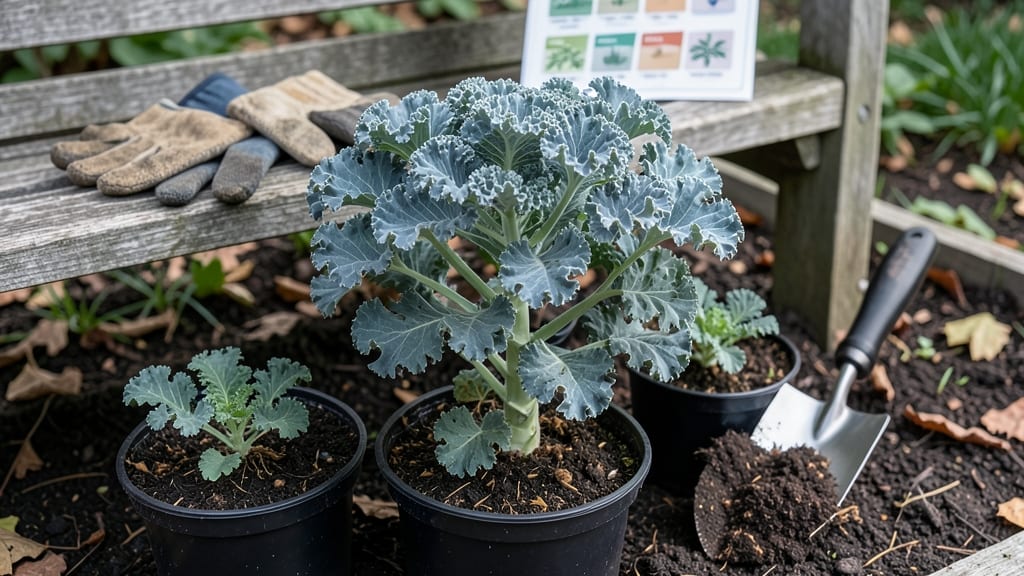
If you’ve ever stared at a seed packet for 🥬 brassicas in Pennsylvania and wondered, "When the heck do I plant these?"—you’re not alone.
The wrong timing can mean wilted seedlings or missed harvests, but getting it right unlocks a garden full of crisp broccoli, hearty kale, and sweet cabbage.
The secret lies in Pennsylvania’s 5b-7a zones, where frost dates shift from north to south, and a 4-6 week head start before the last frost is non-negotiable.
Here’s the thing: planting brassicas too early risks frost damage, while waiting too long shrinks your harvest window. In most of PA, that means starting seeds indoors by March or sowing directly in April—but your exact zone matters.
Whether you’re in cooler 5b or warmer 7a, I’ll break down the frost-free window so you can time your plantings like a pro. No more guesswork, just peak yields.
But here’s where it gets even better: brassicas aren’t just a spring crop. Fall planting is your ticket to a second harvest, with late-summer starts yielding through October or beyond.
We’ll cover how to stretch your season with row covers and succession planting—because why settle for one harvest when you can have two? Let’s dive into the zone-by-zone timing that’ll make your brassicas thrive.
Ready to stop second-guessing and start planting with confidence? I’ll walk you through the ideal frost-free windows, soil prep, and even which varieties handle PA’s quirks best.
By the end, you’ll know exactly when to pop those seeds in the ground for a garden bursting with 🥬 brassicas all season long.
Pennsylvania brassica planting calendar by hardiness zone (5a-7a)
Brassicas thrive in Pennsylvania’s climate, but your USDA zones 5a-7a create big differences in planting windows. Northern zones (like Erie) have shorter frost-free seasons, while southern zones (like Pittsburgh) can push crops later.
I’ll break down the perfect planting times for each zone, including spring and fall strategies to maximize your harvest.
For all zones, brassicas like broccoli, cabbage, and kale need 4-6 weeks to mature after transplanting. Start seeds indoors 6-8 weeks before your last frost date, or direct-sow outdoors 2-3 weeks before the last frost.
Fall crops should go in 8-10 weeks before your first frost—this gives them time to bulk up before winter.
Here’s how to align your planting with Pennsylvania’s average last frost dates (April 15 in most areas, but earlier in southern zones like zone 7a):
| Zone | Last Frost | Spring Planting Window | Fall Planting Window | Key Varieties |
|---|---|---|---|---|
| 5a (Erie, State College) | May 1 | March 15–April 15 (indoors) / April 15–May 1 (outdoors) | August 1–September 1 (indoors) / September 1–15 (outdoors) | ‘Winterbor’ kale, ‘Top Bunch’ cabbage |
| 6a (Harrisburg, Allentown) | April 15 | March 1–April 1 (indoors) / April 1–15 (outdoors) | July 30–August 15 (indoors) / August 15–30 (outdoors) | ‘Calabrese’ broccoli, ‘Red Russian’ kale |
| 7a (Pittsburgh, Philadelphia) | April 1 | February 15–March 15 (indoors) / March 15–April 1 (outdoors) | July 15–August 1 (indoors) / August 1–15 (outdoors) | ‘Waltham 29’ broccoli, ‘Blue Vantage’ cabbage |
*Adjust dates 1–2 weeks earlier for microclimates (e.g., urban heat islands).
In zone 5a, where frosts linger, prioritize cold-hardy varieties like ‘Winterbor’ kale or ‘Top Bunch’ cabbage. These handle light frosts and even survive light freezes (down to 20°F).
For zone 7a, you can squeeze in two crops: one in early spring and another in late summer for a fall harvest.
Pro tip: Use row covers to extend your spring window by 2-3 weeks. In my garden, this lets me plant cabbage in early March without frost damage. Just remove covers when flowers appear to prevent bolting.
Fall planting is trickier—brassicas need cool nights (50–60°F) to thrive. If temps climb above 75°F, they’ll bolt. In zone 6a, I start fall seeds by August 1 and use shade cloth during heatwaves to keep leaves crisp.
For succession planting, stagger sowings every 2 weeks in spring and 3 weeks in fall. This ensures a steady supply of harvest-ready brassicas instead of one big crop. For example, in zone 7a, I plant broccoli every 2 weeks from March to May for a summer-long harvest.
Always check your local Cooperative Extension Service for microclimate adjustments. Urban areas like Philadelphia can be 5–10°F warmer than rural zones, pushing your frost dates earlier. My neighbor in West Philadelphia plants a week earlier than her cousin in Lancaster County—same zone, different microclimate!
Remember: Soil temperature matters too. Brassicas need 40–50°F soil to germinate. Use a soil thermometer to confirm—cold, wet soil will delay sprouting. If your soil is too cold, wait or use heat mats for seed trays.
🌱
How to extend your brassica growing season in PA (cold frames, row covers, succession planting)
Pennsylvania’s short growing season doesn’t have to limit your 🥬 brassica harvests. With the right tricks, you can push your broccoli, kale, and cabbage to thrive well beyond the average October 15 first frost.
The key? Season extension tools like row covers, cold frames, and smart succession planting. These methods let you start earlier in spring or harvest later in fall, adding weeks—or even months—to your garden’s productivity.
I’ve tested these techniques in my own Zone 6b garden, and the results speak for themselves: double the harvests with minimal extra effort.
Whether you’re dealing with late spring frosts in the Poconos or early fall chills in the Pittsburgh area, these strategies will keep your brassicas happy and productive. Let’s break down the best ways to stretch your season without breaking the bank.
🌱 Row covers are my go-to for protecting young seedlings. Made from lightweight fabric, they create a microclimate that traps heat while allowing sunlight and water through.
In PA’s Zone 5b-7a, I use them to plant cabbage and kale as early as late March, giving me a head start on the season. Remove them during the day once plants are established to prevent overheating.
5 Proven Ways to Extend Your Brassica Season
- 🌱 Use row covers to plant 4-6 weeks earlier in spring or harvest 2-3 weeks later in fall. Secure edges with soil or bricks to prevent wind damage.
- 🔥 Cold frames add 10-15°F warmth—perfect for overwintering kale or Brussels sprouts. Place them in south-facing spots for maximum sunlight.
- ⏰ Succession plant every 2-3 weeks from April to July for a continuous harvest. Example: Sow broccoli on April 15, May 1, and June 1 for staggered maturity.
- 🌡️ Hardy varieties like ‘Winterbor’ kale or ‘Belstar’ broccoli tolerate 20°F temps, extending your fall harvest into November.
- 💧 Mulch heavily with straw or leaves to insulate soil and roots. This keeps soil temps stable and protects against early frost.
For fall brassicas, I swear by succession planting. Instead of one big planting in May, I stagger seeds every 2-3 weeks through July.
This ensures a steady supply of harvest-ready plants as older ones mature. For example, broccoli planted in late July often yields in October, just before frost.
Cold frames are another game-changer, especially for Brussels sprouts or cabbage. A simple DIY frame with a clear plastic lid can add 10-15°F of warmth, letting you grow cool-season crops well into winter. Just
Don’t overlook mulching—it’s a free way to protect your brassicas. A 4-inch layer of straw or leaves insulates soil, keeping roots warm and moisture levels steady. This is especially critical in PA’s unpredictable fall weather, where frost can sneak in early. Pair mulch with a row cover, and you’ve got a double layer of protection.
🌿 The bottom line? With these season-extension tricks, you can turn PA’s short growing season into a year-round brassica bonanza. Start early, protect your plants, and keep sowing—your garden (and your taste buds) will thank you. Now grab those row covers and get planting!