
Plants
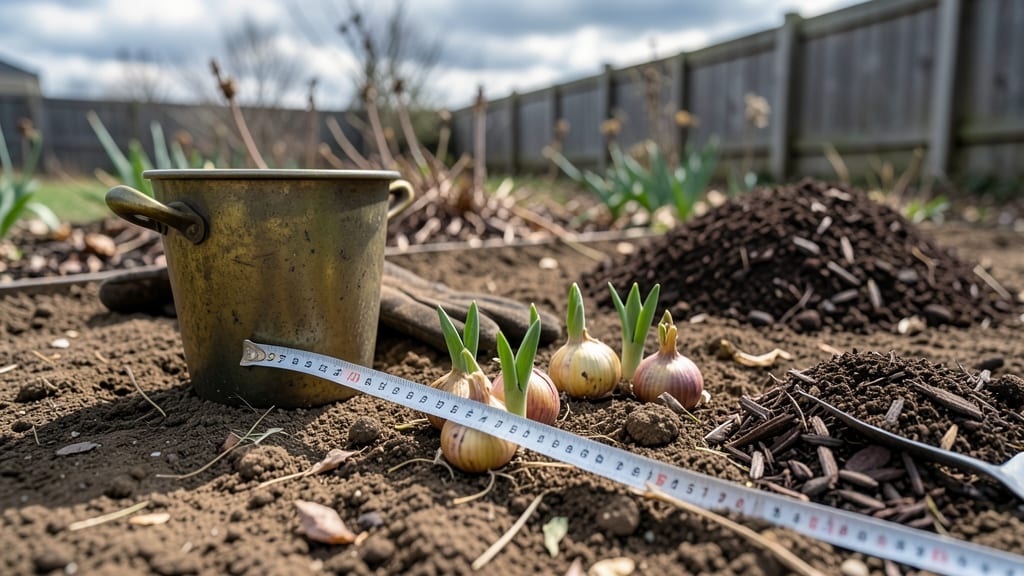
Planting tulips at the right time in New York can make all the difference between a stunning spring display and a missed opportunity.
With frost dates varying dramatically from Zone 5b to 7b, knowing when to tuck those 🌷 bulbs into the soil is key to their survival—and future blooms.
Most gardeners in New York aim to plant tulips between October and November, but the exact timing depends on your location. Upstate areas in Zone 5b face earlier frosts, while NYC’s Zone 7b enjoys a slightly longer window.
The goal? Plant bulbs 4-6 weeks before the ground freezes—usually by mid-November—to give roots time to establish without exposing them to winter’s harshest cold.
Why does this matter? Because tulips need that cool dormancy period to develop strong roots before spring’s growth spurt. Skip the ideal window, and you risk weak stems, fewer blooms, or—worst of all—bulbs rotting in soggy soil.
Let’s break down the perfect planting schedule for your specific zone and how to adjust for New York’s unpredictable winters.
From soil prep to frost protection, I’ll walk you through every step to ensure your tulips thrive. Whether you’re a first-time gardener or a seasoned pro, these tips will help you maximize blooms and avoid common pitfalls—like planting too early or too late. Ready to dig in?
New York tulip planting dates by hardiness Zone (5-7) with frost timelines
New York's diverse climate zones—from Zone 5b in Upstate to Zone 7b near NYC—create a tricky balance for tulip planting. The key is planting bulbs 6-8 weeks before the ground freezes, ensuring they establish roots before winter.
Missing this window can leave bulbs vulnerable to frost heave or rot.
In Zone 5 (Upstate NY), the last frost typically hits by mid-November, giving you a late September to early October planting window. Meanwhile, Zone 7 (NYC/Long Island) can plant as late as mid-November due to milder winters.
Even small timing mistakes can mean the difference between vibrant blooms and flopping flowers.
Here’s a quick reference for your region:
| Zone | Avg. Last Frost | Ideal Planting Window | Notes |
|---|---|---|---|
| Zone 5 (Upstate) | Mid-November | Late Sept–Early Oct | Use cold-hardy varieties like 'Darwin Hybrid' |
| Zone 6 (Hudson Valley) | Late Nov | Early Oct–Mid-Nov | Extend window with mulch |
| Zone 7 (NYC/Long Island) | Early Dec | Oct–Mid-Nov | Watch for early thaws |
For Zone 5 gardeners, aim to plant by October 15 to avoid early frosts. In Zone 7, you have more flexibility but should finish by November 15 to prevent bulb rot. Always check your local USDA frost calendar—unpredictable winters can shift these dates by weeks.
Soil temperature matters too. Tulip bulbs need 40-50°F soil to sprout roots. Use a soil thermometer to confirm readiness—cool but not frozen soil is ideal. In colder zones, plant deeper (8 inches) for extra protection.
Don’t forget: Spring planting is a myth. Tulips planted in spring won’t bloom until the following year, and they’re far less reliable. Stick to fall planting for consistent results.
Once planted, mulch heavily with straw or leaves to insulate bulbs. This extra layer can push your planting window 2-3 weeks later in marginal zones. Just remove mulch in early spring to avoid rot.
For container gardeners, plant bulbs in pots by October 1 (earlier than in-ground). Containers freeze faster, so use black plastic pots to absorb heat during the day. Bring pots indoors if temperatures drop below 20°F.
Watch for early spring thaws in Zone 7. If snow melts and temps rise above 40°F in February, tulips may sprout too soon. Protect them with frost cloth or a lightweight row cover until the last frost.
New York tulip planting dates by hardiness Zone (5-7) with frost timelines
New York’s diverse climate—from the chilly Zone 5b hills of Upstate to the milder Zone 7b of NYC—means your tulip planting window can shift by weeks. The golden rule? Plant bulbs 4-6 weeks before the ground freezes, but knowing your exact zone helps fine-tune the timing.
In Zone 5b, aim for early October, while Zone 7b gardeners can wait until late November. This window ensures roots establish before winter’s deep freeze.
First, check your local average first frost date: Upstate NY typically sees frost by October 15, while NYC holds off until November 15. Planting too early exposes bulbs to rot, while waiting too long risks weak root growth.
For example, if your frost date is November 1, plant by October 1 to give roots time to anchor. Use well-draining soil and a depth of 6-8 inches to protect bulbs from freeze-thaw cycles.
Here’s how to align your planting with New York’s frost-free windows:
| Zone | Avg. First Frost | Ideal Planting Window | Depth & Spacing |
|---|---|---|---|
| Zone 5b (Upstate NY) | October 15 | Early October (Sept 25–Oct 15) | 6-8" deep, 4-6" apart |
| Zone 6a (Hudson Valley) | October 30 | Mid-October (Oct 1–Oct 25) | 6-8" deep, 4-6" apart |
| Zone 7b (NYC/Long Island) | November 15 | Late October–Early Nov (Oct 25–Nov 10) | 6-8" deep, 4-6" apart |
Pro tip: Use a soil thermometer to confirm when soil temps drop below 50°F. If planting in containers, move pots to a sheltered spot or bury them in the ground for extra insulation.
In Zone 5b, consider adding a 2-inch layer of mulch after planting to shield bulbs from extreme cold. This extra step can mean the difference between blooms and bare stems next spring.
After planting, water deeply to settle soil around bulbs, but avoid overwatering—soggy soil leads to rot. Once leaves emerge in spring, feed with a high-phosphorus fertilizer (like 5-10-10) to encourage strong blooms.
Remember, tulips need 6+ hours of sun daily, so choose a spot with full sunlight for best results. With the right timing, your 🌷 garden will reward you with vibrant blooms by April.
For gardeners in Zone 6a or 7b, don’t stress if frost hits early—just plant as soon as soil is workable (usually after Labor Day). The key is getting those bulbs in the ground before the first hard freeze, even if it means a slightly later start.
And if you’re unsure about your zone, check the USDA Plant Hardiness Zone Map or ask your local cooperative extension office for precise frost dates.