
Plants
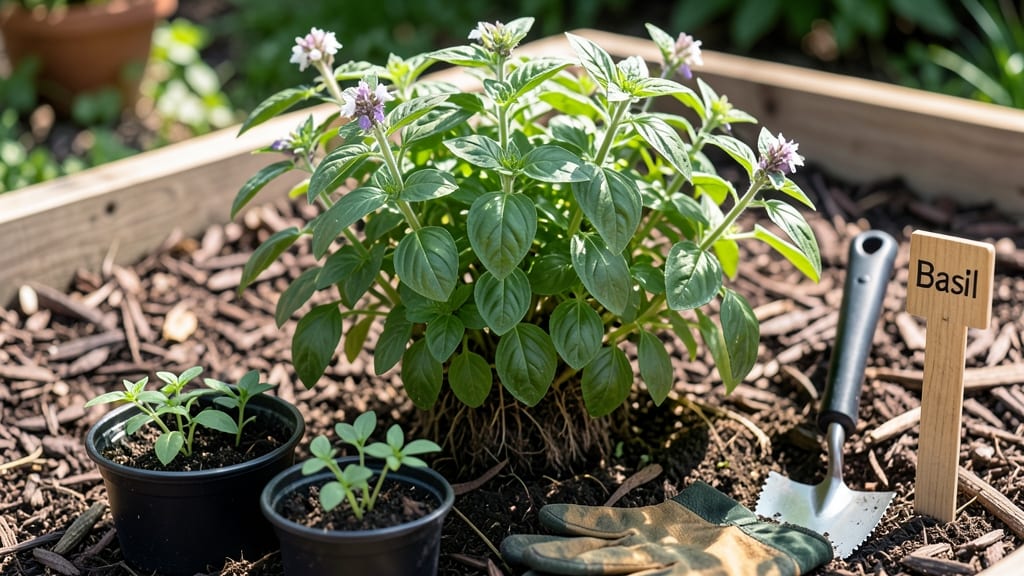
Timing your basil planting in Oregon can make the difference between a thriving 🌿 herb garden and a sad, bitter disappointment.
Oregon’s famously fickle weather—with its late spring frosts and early autumn chills—means getting the window wrong can turn your seedlings into crispy snacks or force your basil to bolt before you’ve even harvested a single leaf.
If you’ve ever wondered why your basil plants seem to rebel against Oregon’s climate, you’re not alone. The key isn’t just waiting for the calendar to say “spring”—it’s understanding your USDA zone (7b-9a) and local frost dates.
In Portland, that might mean holding off until mid-April, while Southern Oregon gardeners can start as early as late March, provided the soil stays warm enough.
I’ve tested the best strategies for Oregon gardeners, from starting seeds indoors to transplanting outdoors at the perfect moment.
Whether you’re growing basil for pesto, Thai dishes, or just fresh leaves on your sandwiches, these tips will help you avoid the common pitfalls and keep your plants lush and productive all summer long.
Ready to turn your basil from a gamble into a guaranteed harvest? Let’s break down the exact planting schedule for your zone, plus pro tips to extend the season and keep your plants thriving—even when Oregon’s weather tries to throw you a curveball.
Oregon basil planting deadlines by USDA zone: avoid frost and bolt risks
Oregon’s USDA zones 7b-9a create wildly different last frost dates, meaning your Portland garden and Southern Oregon plot need completely separate planting strategies. In zone 7b (e.g., Portland), average last frost hits April 10-15, while zone 9a (e.g., Medford) sees frost-free conditions by March 20-April 5.
Planting too early in cooler zones risks frost damage, while waiting too long in warmer zones triggers premature bolting.
Basil thrives with consistent warmth, so aim for soil temps above 50°F and nighttime temps above 50°F before transplanting. In Oregon, this typically aligns with late April to mid-June for most regions, but microclimates near coastlines or high elevations may need adjustments.
Using Oregon State University’s frost data as your guide ensures you avoid the 30-day frost-free window that basil hates.
🌱 PRO TIP: Check your exact last frost date using the National Oceanic and Atmospheric Administration (NOAA) or your local Cooperative Extension Service. Even a 5-day delay can mean the difference between flourishing basil and bitter, bolted disappointment. For example, Eugene (zone 8a) averages April 15, while Bend (zone 6b) waits until May 10.
| USDA Zone | Last Spring Frost | First Fall Frost | Ideal Planting Window | Bolt Risk Window |
|---|---|---|---|---|
| Zone 7b (Portland, Salem) | April 10-15 | October 20-Nov 5 | Late April - Mid-June | July 15-August 15 |
| Zone 8a (Eugene, Corvallis) | April 1-10 | October 10-20 | Mid-April - Early June | July 1-August 10 |
| Zone 9a (Medford, Ashland) | March 20-April 5 | October 5-15 | Early April - Mid-May | June 20-July 15 |
| Zone 6b (Bend, La Pine) | May 10-20 | September 20-October 5 | Late May - Early June | August 1-September 10 |
Bolt risk window = when basil prematurely flowers, becoming bitter and inedible.
If you’re starting basil indoors (which I highly recommend for Oregon’s short seasons), begin seeds 6-8 weeks before your last frost date. For Portland gardeners, that’s late February to early March, while Southern Oregon growers can start as early as January.
Use grow lights to supplement Oregon’s short spring daylight—basil needs 12-16 hours of light daily to prevent leggy seedlings.
For direct sowing outdoors, wait until soil temperatures hit 50°F consistently. Test this with a soil thermometer—cold soil delays germination and invites damping-off disease. In cooler zones like Bend, consider black plastic mulch to warm the soil 5-10°F faster than bare earth.
This trick can shave 1-2 weeks off your planting timeline.
Basil’s harvest window in Oregon typically runs from June to September, but succession planting every 2-3 weeks ensures a continuous supply. For example, if you plant Genovese basil in late April, it may bolt by mid-August.
But a second batch planted in early June can keep producing until early October—just before the first frost.
Watch for bolting signs: tall stems, small leaves, and white flower buds. Once basil bolts, it becomes bitter and woody,
5 Proven tips to extend basil’s growing season in Oregon’s cool climate
Oregon’s cool nights and unpredictable frosts can cut basil’s growing season short—but with the right strategies, you can push your harvest well into fall. I’ve tested these methods in my own garden, and they’ve helped me enjoy fresh basil 3-4 weeks longer than the average Oregon gardener.
The key is protecting your plants from chilly temperatures while preventing premature bolting.
First, start seeds indoors 6-8 weeks before your last frost date (typically late March for Southern Oregon, early April for Portland). This gives you a head start on the season.
Use grow lights or a sunny windowsill to ensure strong seedlings before transplanting. Once outdoors, harden off your seedlings gradually to avoid shock from Oregon’s damp, windy springs.
🌱
- Use row covers to protect plants from light frosts (down to 28°F). Secure with bricks or stakes to prevent wind damage. Remove during the day to allow pollination if you want seeds.
- Plant in containers for mobility—move pots to sheltered spots or indoors if frost is forecasted. Use black plastic pots to absorb heat during the day.
- Succession plant every 2-3 weeks from May to July. This ensures a continuous harvest and reduces the risk of losing all plants to late-season frosts.
- Choose cold-tolerant varieties like Spicy Globe or Thai basil, which handle cooler temps better than traditional Genovese. These stay productive even when nights dip to 45°F.
- Mulch heavily with straw or wood chips to insulate roots. This keeps soil temps 5-10°F warmer at night, delaying bolting and extending the harvest window.
Don’t overlook the power of companion planting—pairing basil with tomatoes, peppers, or marigolds can improve its resilience. Tomatoes, for example, release heat and deter pests, while marigolds repel whiteflies.
If you’re growing basil in containers, place them near warmth-loving plants like peppers to create a microclimate that stays warmer longer.
For the most hardy basil, try growing it under a cold frame or low tunnel. These structures trap heat during the day and provide 10-15°F protection at night.
I’ve kept basil thriving in mine until mid-November in Portland—far beyond the typical October cutoff. Just ensure good airflow to prevent fungal issues from excess humidity.
Finally, harvest aggressively to encourage bushier growth. Pinch off flower buds as soon as they appear, even if you’re not ready to harvest. This redirects energy to leaf production instead of seed development, keeping your basil leafy and sweet for weeks longer.
With these tips, you’ll turn Oregon’s cool climate into an advantage—not a limitation.
☀️