
Plants
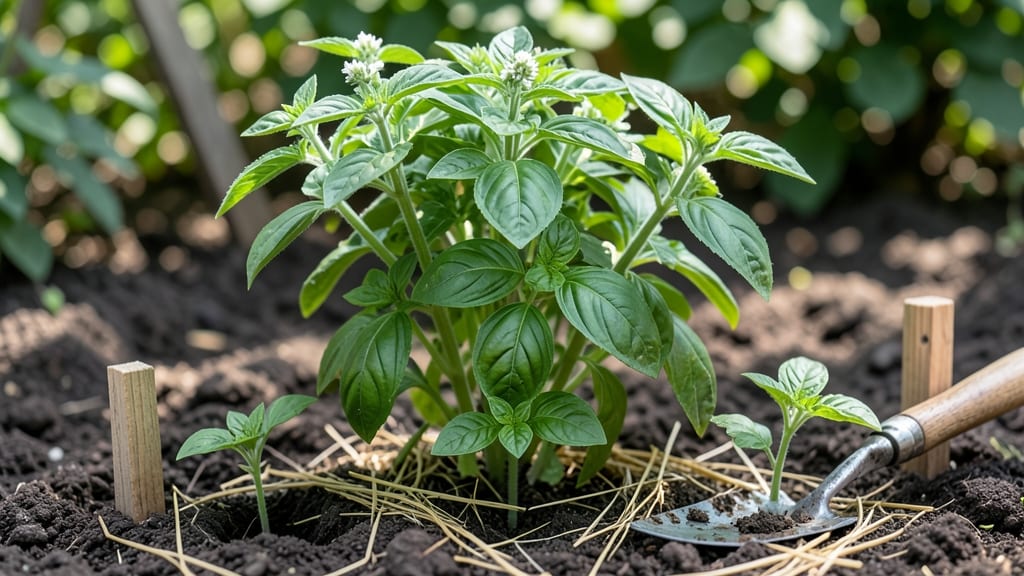
Timing your basil planting in Michigan can mean the difference between a thriving herb garden and a sad, frost-bitten disappointment. The 5b-6b zone demands precision—plant too early, and your tender seedlings won’t survive the late spring frosts that linger until mid-April in most areas.
But get it right, and you’ll enjoy fresh 🌿 basil from June through September.
Most Michigan gardeners wait until after the last frost date to sow basil directly outdoors, typically between mid-April and late May. This window ensures your plants have enough warmth to grow strong roots before summer heat arrives.
Starting indoors 6-8 weeks before your target date is another smart strategy, especially if you’re eager to maximize your growing season.
Here’s the key: basil hates cold soil and bolts when stressed by temperature swings. By following these zone-specific deadlines, you’ll avoid the two biggest mistakes—frost damage and premature flowering.
Whether you’re a seasoned gardener or just starting, these tips will help you time your basil planting perfectly for Michigan’s climate.
Ready to grow basil that’s sweet, flavorful, and ready for harvest? Let’s dive into the exact planting schedule and soil prep tricks that work in your zone. Your kitchen (and pesto recipes) will thank you!
Michigan basil planting deadlines by USDA zone (avoid frost and bolting)
Michigan’s USDA zones 4a-6b create a tricky balance for basil lovers. The last frost date shifts from mid-April in southern Michigan to early June in the Upper Peninsula.
Plant too soon, and frost will kill tender seedlings. Wait too long, and your basil will bolt—sending up bitter flowers instead of flavorful leaves.
To nail the perfect planting window, focus on soil temperature (wait until it hits 50°F+) and frost-free forecasts. Most Michigan gardeners aim for mid-May transplants in northern zones, while southern areas can start as early as late April if conditions cooperate.
Basil thrives in warmth and consistency. Once planted, it needs 6-8 weeks of steady temperatures above 60°F to avoid bolting. That’s why Michigan’s short growing season demands precise timing—especially if you’re growing from seed rather than transplants.
Here’s your zone-by-zone cheat sheet for Michigan basil planting, including safe transplant windows and key microclimate considerations:
| USDA Zone | Last Frost Date | Safe Transplant Window | Key Microclimate Tip |
|---|---|---|---|
| 4a (Upper Peninsula) | Early June | Late May to early June | Start seeds indoors in March; use row covers early. |
| 5a (Northern Lower) | Mid-May | Early to mid-May | Wait for soil to warm to 55°F; avoid low-lying areas. |
| 5b (Central) | Early May | Late April to early May | Urban areas warm faster; plant near buildings. |
| 6a (Southwest) | Mid-April | Late April to early May | Direct-sow after last frost; mulch to retain heat. |
| 6b (Southeast) | Late April | Early to mid-April (transplants only) | Extend season with cold frames; harvest by August. |
For direct sowing (planting seeds outdoors), add 2-3 weeks to these transplant windows. Seeds need 70°F+ soil to germinate, which typically happens late May to June in most of Michigan.
If you’re impatient, start seeds indoors 6-8 weeks before your last frost date—this gives you a head start on the season.
Pro tip: Use Michigan State University’s Michigan Garden Hotline (1-800-648-0508) for localized frost forecasts. They’ll confirm when your area is truly frost-free, saving you from bolting disasters. Pair that with a soil thermometer ($10 at garden centers) to track warmth—basil won’t tolerate cold soil.
Once you’ve nailed the planting window, watch for heat stress. Michigan’s summers can push basil into bolting if temperatures exceed 90°F for prolonged periods. Provide afternoon shade with lightweight row covers or plant near taller crops like tomatoes to create natural shade.
Timing isn’t just about dates—it’s about reading your microclimate. A south-facing garden warms faster than a north-side bed, and urban areas often stay 5-7°F warmer than rural spots. Use these deadlines as a guide, but always adjust for your specific yard.
🌱
How to extend Michigan’s basil growing season (start indoors, Use row covers)
Michigan’s short growing season can challenge basil lovers, but with the right strategies, you can enjoy fresh basil from early spring to late summer. Starting seeds indoors 6-8 weeks before your last frost date gives your plants a head start, while row covers protect tender seedlings when nighttime temps dip.
Let’s break down the exact steps to maximize your harvest window.
For most of Michigan, that means beginning seeds indoors between March 1st and March 15th. Use seed-starting trays with a heating mat to maintain soil temps between 70-75°F—basil seeds germinate best in warm conditions.
Keep seedlings under grow lights for 12-14 hours daily to prevent leggy growth. Transplant outdoors only after nighttime temps consistently stay above 50°F.
🌱 Step-by-Step Basil Extension Guide
- 📅 6-8 weeks before last frost: Start seeds indoors with heating mat (70-75°F soil).
- 💡 Use grow lights 12-14 hrs/day; keep trays in warm, sunny window.
- 🌱 Harden off seedlings 7-10 days before transplanting (gradually expose to outdoor temps).
- 🌡️ Transplant after soil reaches 50°F and nighttime temps stay above 50°F.
- 🛡️ Use floating row covers for 2-3 weeks post-transplant to protect from late frosts.
- ☀️ Ensure 6+ hours of full sun daily; basil bolts if stressed by heat or drought.
If you miss the indoor-starting window, don’t despair! Row covers are your best friend for extending the season. Lightweight fabrics like frost cloth or agricultural fleece can push your planting window 2-3 weeks earlier in spring and delay fall harvests by 4-6 weeks.
Secure covers with hoops or stakes, ensuring they don’t touch the plants to prevent rot. Remove during the day when temps rise above 70°F to avoid overheating.
For Michigan gardeners, the key to avoiding bolting is monitoring daytime temperatures. Basil thrives when daytime highs stay between 70-85°F. If temps climb above 90°F for prolonged periods, provide afternoon shade with a shade cloth (30-50% shade).
Mulch around plants with straw or wood chips to keep roots cool and retain moisture—both critical for preventing stress-induced bolting.
Pro tip: Choose cold-hardy basil varieties like ‘Spicy Globe’ or ‘Dark Opal’, which tolerate cooler temps better than standard Genovese basil. These varieties can handle brief dips to 40°F with protection, giving you a longer harvest window.
Pair them with dwarf tomato varieties in containers for a compact, high-yield basil-tomato combo that thrives in Michigan’s climate.
With these strategies, you’ll enjoy fresh basil from late May through September, even in Michigan’s cooler growing zones. The secret? Plan ahead, protect seedlings, and monitor temps—your garden (and your pesto) will thank you! 🌿