
Vegetables
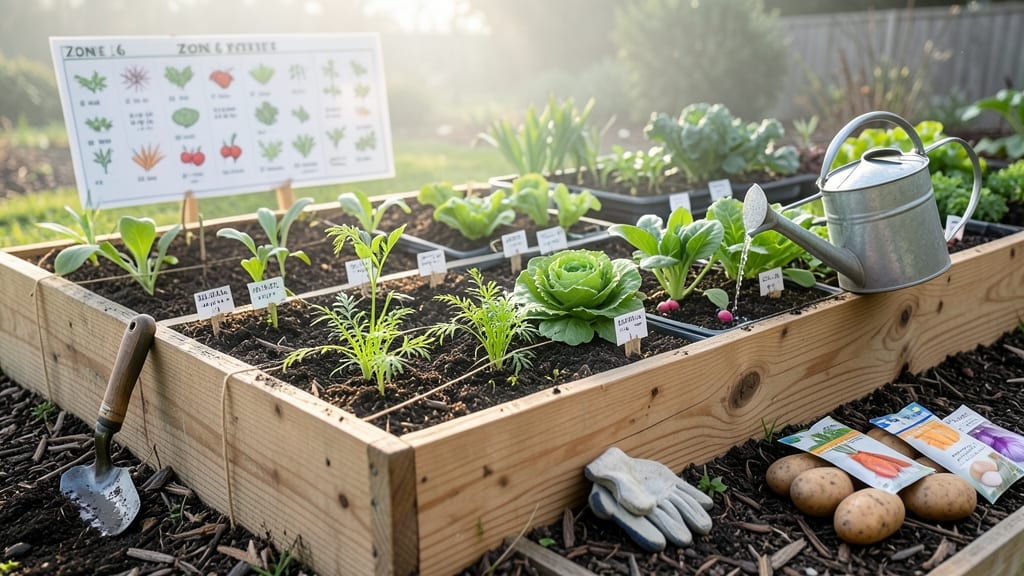
Knowing when to plant early spring vegetables in Zone 6 can mean the difference between a thriving garden and a frost-killed disappointment. With the right timing, you can enjoy crisp peas, tender spinach, and vibrant lettuce 🥬 before summer heat sets in.
Zone 6 gardeners face a unique challenge: the narrow window between last frost (around April 15) and the rush to get seeds in the ground. Plant too early, and a late frost will wipe out your hard work.
Too late, and you’ll miss the peak harvest season. The key lies in understanding your microclimate and choosing cold-hardy varieties that can handle the chill.
In this guide, I’ll break down the exact planting windows for your favorite early spring crops, from peas to radishes, and share pro tips to protect your plants from late frosts. Whether you’re a beginner or a seasoned gardener, these strategies will help you maximize your harvest before summer arrives.
Ready to beat the clock and grow a garden full of fresh, homegrown goodness? Let’s dive into the best planting dates, soil prep, and frost-proofing techniques tailored just for Zone 6.
Best early spring vegetables for Zone 6 and their ideal planting windows
Timing your early spring vegetable plantings in Zone 6 is all about balancing cold tolerance with frost risk. The key is planting cold-hardy crops 4-6 weeks before your average last frost date (typically April 15 in most of Zone 6).
This gives seedlings time to establish roots while still protecting them from late freezes. I’ve grown peas, spinach, and kale successfully by following these precise windows—here’s exactly when to plant each variety for maximum success.
Start with hardy greens like spinach, lettuce, and kale, which can handle light frosts down to 20°F.
These should go in the ground 4-6 weeks before last frost, often as early as late February to early March in southern Zone 6 (e.g., Richmond, VA) or mid-March to early April in northern areas (e.g., Chicago, IL).
For root crops like carrots, radishes, and beets, aim for 3-4 weeks before last frost—they’re less frost-tolerant but still thrive in cool soil.
Peas are a Zone 6 staple because they thrive in cool weather and can even handle light frosts. Plant them 1-2 weeks before your last frost date, usually late March to early April.
I’ve found that sugar snap peas and snow peas perform best when sown directly into the garden—no need for transplanting, which can stress young plants.
For onions and garlic, plant them in late fall or early spring (by March 1) to ensure they mature before summer heat sets in.
| Vegetable | Planting Window (Zone 6) | Frost Tolerance | Days to Harvest | Pro Tip |
|---|---|---|---|---|
| Peas (snap/snow) | Late March–Early April | 20°F (light frost) | 50–70 days | Sow directly; no transplanting. |
| Spinach | Late February–Early March | 20°F (survives heavy frost) | 30–50 days | Succession plant every 2 weeks. |
| Lettuce | Mid-March–Early April | 25°F (bolt-resistant varieties) | 30–60 days | Use shade cloth if temps rise above 75°F. |
| Kale | Early March–Late March | 15°F (tastes sweeter after frost) | 45–60 days | Harvest outer leaves to prolong harvest. |
| Carrots | Mid-March–Early April | 30°F (soil temp >40°F) | 60–80 days | Loosen soil to prevent forked roots. |
| Radishes | Late March–Early April | 25°F (fast growers) | 20–30 days | Sow in succession for continuous harvests. |
For broccoli and cabbage, which are slightly less cold-hardy, wait until 2-3 weeks before last frost (around mid-April). These brassicas need warmer soil (at least 45°F) to germinate well.
I’ve had the best luck with broccoli raab and early cabbage varieties like ‘Early Jersey Wakefield,’ which mature quickly before summer heat arrives. If you’re
Best early spring vegetables for Zone 6 and their ideal planting windows
Zone 6’s early spring planting window is short but sweet—typically between late February and mid-April. The key is choosing cold-hardy vegetables that can tolerate light frosts while avoiding the risk of late-season freezes.
My top picks for this season include peas, spinach, lettuce, radishes, carrots, and kale, all of which thrive when planted at the right time.
For most of Zone 6, the last average frost date falls around April 15, but this can vary by 5-10 days depending on your exact location. To maximize success, aim to plant 4-6 weeks before your local last frost date.
This gives seedlings enough time to establish roots while still benefiting from cooler temperatures that slow bolting in leafy greens.
Here’s a quick breakdown of the best early spring vegetables for Zone 6 and their ideal planting windows to ensure a bountiful harvest before summer heat arrives:
| Vegetable | Planting Window (Zone 6) | Days to Harvest | Frost Tolerance | Pro Tip |
|---|---|---|---|---|
| Peas (sugar snap, snow) | Late February - Early March | 60-70 days | Tolerates light frost | Plant in well-drained soil; trellis for support |
| Spinach | Early March - Mid-April | 30-50 days | Survives 20°F | Succession plant every 2 weeks for continuous harvest |
| Lettuce (leaf & head) | Mid-March - Early April | 30-60 days | Tolerates 25°F | Use row covers for extra frost protection |
| Radishes | Early March - Late March | 20-30 days | Survives 15°F | Sow directly; thin seedlings to 1-2 inches apart |
| Carrots | Mid-March - Early April | 60-80 days | Tolerates 18°F | Loosen soil to prevent forking; keep moist |
| Kale | Late February - Early March | 50-65 days | Survives 15°F | Harvest outer leaves to encourage regrowth |
If you live in the northern edge of Zone 6 (e.g., near Chicago or Buffalo), wait until mid-March to plant, as frost risk lingers longer. Conversely, southern Zone 6 (e.g., Nashville or Richmond) can start as early as late February for hardy crops like peas and kale.
Always check your local frost dates using resources like the Almanac’s Frost Calculator for precision.
For succession planting, sow fast-growing crops like radishes and lettuce every 2 weeks to ensure a steady harvest. This is especially useful in Zone 6, where the window between frost dates is tight. By staggering plantings, you’ll avoid gluts and enjoy fresh produce for weeks—even as temperatures rise.
Don’t forget to prepare your soil before planting. Early spring is the perfect time to amend with compost and ensure good drainage. Cold soil can slow germination, so consider using a black plastic mulch to warm the ground faster.
With the right prep and timing, your early spring garden will be thriving just in time for summer!