
Plants
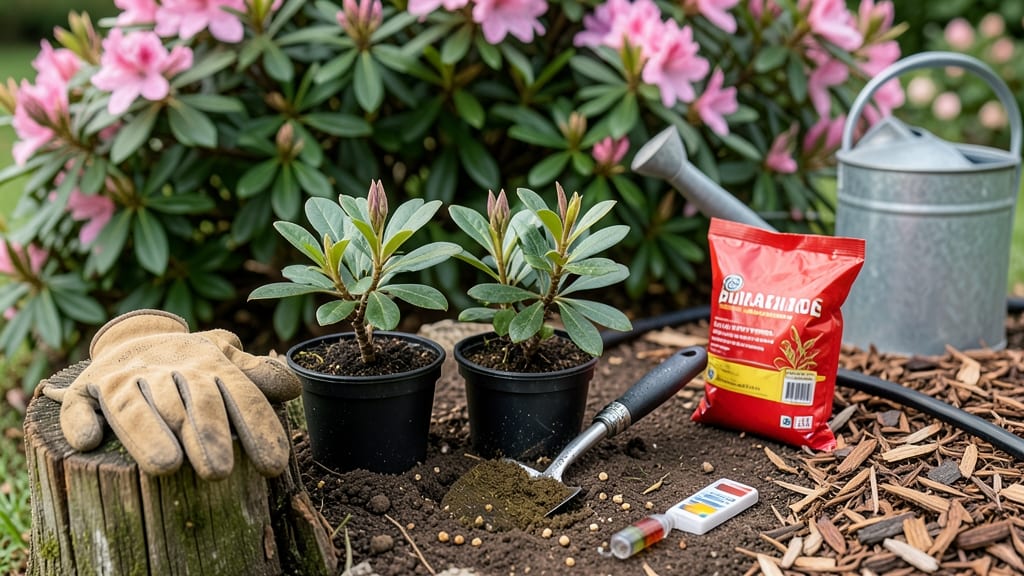
If you’ve ever planted your 🌸 azaleas in Texas only to watch them struggle—or worse, fail to bloom—you’re not alone. The key to vibrant, thriving azaleas lies in timing, and getting it wrong can mean missed blooms even with perfect care.
Texas’s diverse climate zones—from 8a to 10b—mean azaleas need precise planting windows to survive and flourish. Plant too early or too late, and you risk transplant shock or stunted growth. But master this timing, and you’ll unlock the secret to reliable blooms year after year.
In this guide, I’ll break down the exact months to plant azaleas in Texas, tailored to your chill-hour zone. Whether you’re in North Texas or the Gulf Coast, you’ll learn how to match varieties to your climate and avoid common pitfalls that kill azaleas before they even take root.
Ready to transform your garden? Let’s dive into the perfect planting schedule for azaleas that will have your neighbors green with envy.
Texas azalea planting timeline by chill-hour requirements
Texas' diverse climate means azaleas thrive in three distinct chill-hour zones, each requiring precise planting timing. Southern Texas (Zone 9a-10b) has minimal chill hours (300-400 hoursZone 8a) can reach 600+ hours. Planting at the wrong time risks transplant shock or failed blooming.
For Southern Texas, focus on fall planting (October-November) when temperatures dip below 80°F. This gives roots time to establish before summer heat arrives. Northern Texas gardeners can also plant in early spring (February-March), but avoid late spring when heat stress peaks.
Chill hours are the secret weapon for azalea success. Varieties needing 300-400 hours (like 'George Lynn') work in Zone 9a, while 400-600 hours varieties (like 'Hershey Red') suit Zone 8a. Matching your plant to your zone ensures vibrant blooms.
🌱 Texas Azalea Planting Timeline by Chill-Hour Zone
| Zone | Chill Hours | Best Planting Months | Avoid Planting | Soil Prep Tip |
|---|---|---|---|---|
| 9a-10b (South TX) | 300-400 | October-November | April-July | Add peat moss |
| 8b (Central TX) | 400-500 | October-November or February | May-August | Test pH (4.5-6.0) |
| 8a (North TX) | 500-600+ | October-November or February-March | June-September | Mulch heavily |
In Southern Texas (Zones 9a-10b), the October-November window is critical. By planting then, roots establish before summer's 90°F+ temperatures arrive. Use container-grown azaleas for flexibility—they adapt better to heat than bare-root plants.
For Central Texas (Zone 8b), both fall and early spring work, but spring planting requires daily watering until roots establish. Northern Texas (Zone 8a) can handle February-March planting if frost isn't forecasted within 2 weeks.
Always check local frost dates—a late frost after planting can kill tender roots. Use mulch (3-4 inches) to insulate soil and retain moisture. In Zone 10b, even winter planting (December) is possible if temperatures stay above 50°F.
Pro tip: Acidify your soil 4-6 weeks before planting. Texas soil is often alkaline (pH 7.5+), but azaleas need pH 4.5-6.0. Mix in pine bark fines or sulfur to adjust. Test soil 3 months before planting for best results.
Container planting extends your options. Pot-grown azaleas can be planted year-round in Zone 10b, but avoid peak summer (June-August) due to heat stress. Use self-watering pots to prevent drought damage.
Remember: Bloom time depends on chill hours. A 300-hour variety planted in Zone 8a may bloom 2 weeks later than one in Zone 9a. Adjust expectations based on your zone!
Texas azalea planting timeline by chill-hour requirements
Texas’s diverse climate zones create unique challenges for azalea planting. Unlike northern states, Texas azaleas thrive on chill hours—not frost—so timing depends on your USDA zone and variety. In Zone 8a, aim for 600-900 chill hours, while Zone 9a-10b gardeners need 300-500 chill hours.
Fall planting (October-November) is ideal because cool soil and shorter days reduce transplant shock. Early spring (February-March) works too, but avoid late spring when Texas heat arrives. Your last frost date matters less than soil temperature—wait until it’s below 80°F.
Here’s how to match your azalea variety to Texas zones for reliable blooms:
| Zone | Chill Hours | Best Planting Month | Soil Temp Goal |
|---|---|---|---|
| 8a (North TX) | 600-900 | October-November | 60-70°F |
| 9a (Central TX) | 400-600 | November-February | 65-75°F |
| 10a-10b (South TX) | 300-500 | February-March | 70-78°F |
For Zone 8a gardeners, October is critical—plant before first frost (usually mid-November) to let roots establish. In Zone 9a-10b, February-March avoids summer heat stress. Always water deeply after planting to encourage root growth in well-draining, acidic soil.
Pro tip: Use mulch (2-3 inches) to retain moisture and cool roots. Avoid planting in full sun—Texas azaleas prefer morning sun, afternoon shade. In East Texas, evergreen azaleas like 'George Lynn' thrive year-round, while deciduous varieties need fall dormancy.
Timing isn’t just about months—it’s about soil prep. Test your pH (4.5-6.0) and amend with peat moss or sulfur if needed. Container planting extends your window—just ensure pots have drainage holes and use acidic potting mix. 🌿