
Plants
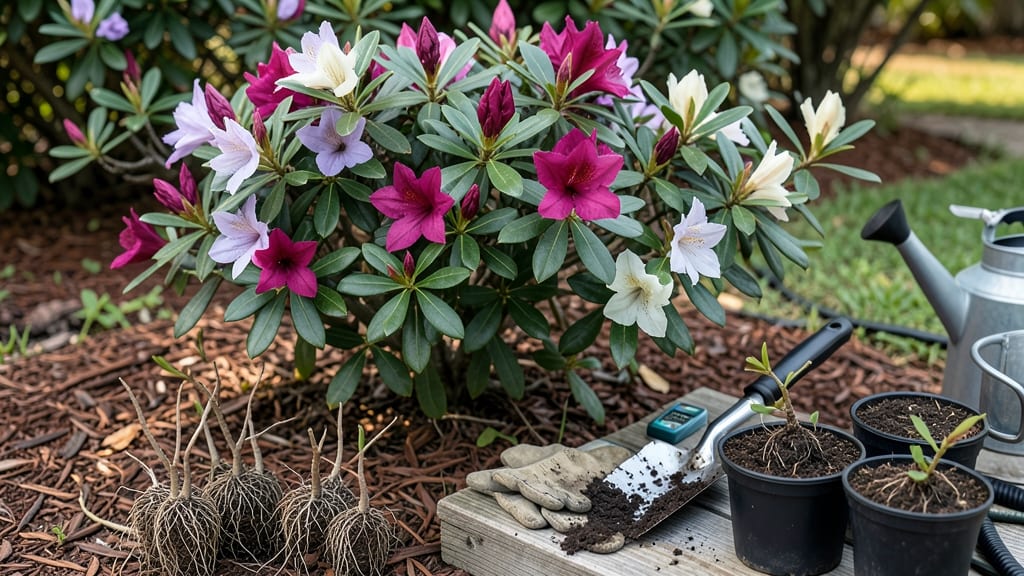
Planting azaleas in Florida at the wrong time can mean the difference between stunning 🌸 blooms next spring and struggling shrubs that never fully thrive.
Unlike other states, Florida’s unique climate zones—from frost-prone North Florida to frost-free South Florida—demand precise timing to give your azaleas the best shot at survival and vibrant growth.
If you’re wondering when to plant azaleas in Florida for zero-frost survival and peak blooms, the answer isn’t one-size-fits-all. The ideal window spans fall (September–November) and early spring (February–March), but regional microclimates play a huge role in success.
I’ll break down exactly how to time your planting—whether you’re in Jacksonville, Orlando, or Miami—to avoid common mistakes and set your azaleas up for years of color.
Why does timing matter so much? Azaleas need time to establish roots before Florida’s unpredictable weather shifts—whether it’s a late frost in the Panhandle or scorching summer heat in the Keys.
I’ll share the best months for your specific zone, plus soil prep tips and post-planting care to keep your azaleas thriving year-round.
Ready to transform your landscape with azaleas that burst into bold, long-lasting blooms? Let’s dive into the exact planting schedule—and what to avoid—that will make all the difference in Florida’s challenging (but rewarding) growing conditions.
Best planting months for Florida azaleas: frost-free survival guide
Planting azaleas in Florida isn’t just about picking a random month—it’s about avoiding frost while giving roots time to establish before summer’s brutal heat. The ideal window is September through November for fall planting, but early spring (February–March) also works for hardiness zones 9–11.
In North Florida (Zone 8a), aim for late October to December to beat frost risks.
Azaleas thrive when soil temperatures stay above 60°F for root growth. Florida’s humidity and heat can stress young plants, so planting in cooler months helps them adapt gradually. Skip summer planting—high temperatures and drought stress can kill newly transplanted shrubs before they take hold.
Here’s why timing matters: Planting too early (like August) exposes roots to summer heat, while planting too late (after March) risks transplant shock before blooming season. The goal is 6–8 weeks of root establishment before Florida’s peak heat arrives in May.
🌸
🌱 Florida Azalea Planting Timeline
| Month | Best For | Soil Temp | Key Consideration |
|---|---|---|---|
| September | Fall planting | 65–75°F | Avoids summer heat; roots establish before winter |
| October | Peak fall window | 60–70°F | Ideal for North Florida (Zone 8a) |
| November | Late fall backup | 55–65°F | Risk of early frost in Panhandle |
| February | Early spring | 60–70°F | Best for Central/South Florida |
| March | Late spring | 65–75°F | Avoids summer drought stress |
For North Florida gardeners in Zone 8a, prioritize October–November planting to beat the January frost risk. In Central Florida (Zones 9a–9b), you can stretch planting into early December, while South Florida (Zones 10–11) allows year-round planting—just avoid peak summer months (June–August) when humidity and heat spike.
Pro tip: Check your local USDA hardiness zone and last frost date (e.g., Jacksonville’s average last frost is January 15). Plant 4–6 weeks before to give roots time to anchor before heat stress kicks in. For example, in Orlando (Zone 9b), aim for September–October or February–March.
Soil preparation is just as critical as timing. Azaleas demand acidic soil (pH 4.5–6.0) and well-draining conditions. Amend native soil with peat moss or pine bark to lower pH, and avoid planting in low-lying areas where water pools.
A mulch layer (3–4 inches) of pine straw retains moisture and mimics their natural forest-floor habitat.
🌿
After planting, deep watering (1–2 gallons per plant) is non-negotiable. Young azaleas need consistent moisture for the first 6–8 weeks, but overwatering can suffocate roots. In Florida’s humid climate, morning watering prevents fungal diseases like root rot.
Pair this with light fertilization (8-3-9 NPK) in early spring to fuel blooms.
Remember: Fall-blooming azaleas (like Encore
North Florida vs. Central/South Florida: azalea planting differences
If you’re planting azaleas in North Florida (like Jacksonville or Tallahassee), your timeline is far stricter than in Central or South Florida. The key difference? Frost risk. North Florida’s Zone 8a can see frost as late as mid-January, while South Florida’s Zone 11 stays frost-free year-round.
This means your planting window shifts dramatically depending on where you live.
In North Florida, aim to plant azaleas between November and early January to give roots time to establish before frost hits. For Central Florida (Zones 9a–9b), like Orlando or Tampa, you’ve got a bit more flexibility—September through March works well.
Meanwhile, South Florida (Zones 10–11) gardeners can plant azaleas almost anytime, but fall (September–November) and early spring (February–March) still offer the best balance of moisture and mild temperatures.
Here’s the critical detail: Fall-planted azaleas in North Florida often bloom earlier the following spring, while spring-planted azaleas in South Florida may take a year to establish but avoid summer stress. The choice depends on your microclimate and whether you prioritize immediate blooms or long-term resilience.
| Region | USDA Zone | Best Planting Window | Key Consideration |
|---|---|---|---|
| North Florida | 8a–9a | November–early January | Avoid frost; roots need 6+ weeks to establish. |
| Central Florida | 9a–9b | September–March | Fall planting for spring blooms; spring planting for summer resilience. |
| South Florida | 10–11 | Year-round (best: Sept–Nov or Feb–Mar) | No frost risk; prioritize moisture during dry seasons. |
Another factor? Bloom timing. Azaleas planted in fall in North Florida often produce earlier spring blooms, while those planted in spring may bloom later but with more vigor.
In South Florida, fall-planted azaleas can even bloom in winter, adding color to your landscape when other plants are dormant.
Pro tip: If you’re in transition zones (like Ocala or Gainesville), monitor local frost alerts. A late frost can wipe out young azaleas, so plant at least 6 weeks before the average first frost date for your area.
For South Florida, the real challenge is summer heat—plant in shade and keep soil moist to prevent transplant shock.
No matter where you’re planting, soil prep is non-negotiable. Azaleas thrive in acidic, well-draining soil (pH 4.5–6.0). If your native soil is alkaline, amend it with peat moss or sulfur before planting.
This step alone can mean the difference between a struggling shrub and a showstopping azalea that blooms for years.