
Plants
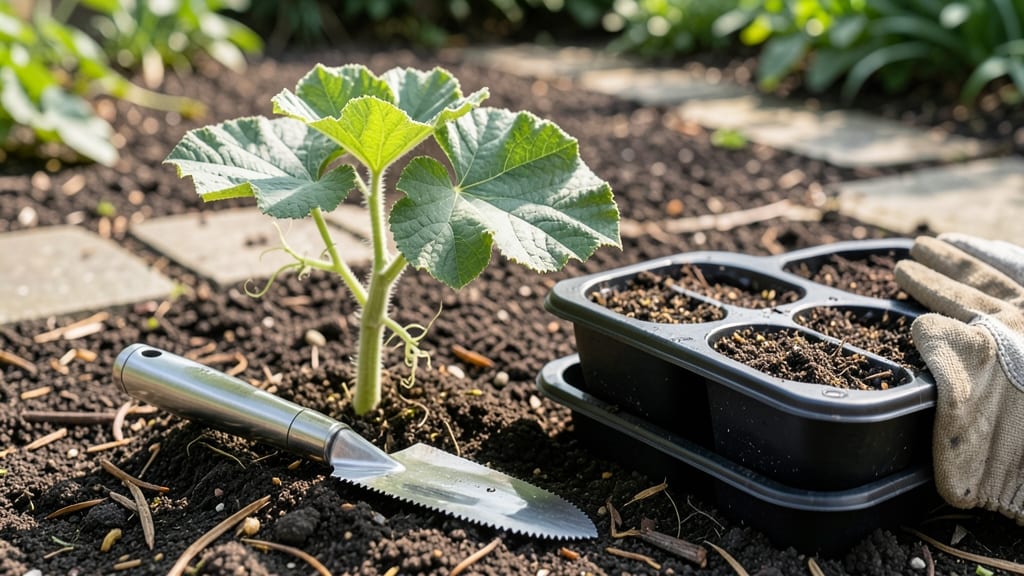
Knowing when to plant cantaloupe in North Texas can mean the difference between a bumper crop of sweet, ripe melons and struggling vines that bolt before fruiting. With our 8a climate, timing isn't just about avoiding frost—it's about waiting for that perfect soil temperature sweet spot of 70°F+.
The ideal window opens in mid-March to early April, but don't rush—those cool spring mornays can trick even experienced gardeners.
I've learned the hard way that planting too soon means watching your seedlings shiver in the chill, while waiting too long risks summer heat stress before harvest season arrives in June-August.
What if you want to squeeze in a second planting? We'll cover how to time it right for a fall harvest while navigating North Texas' unpredictable weather patterns.
The key is understanding your specific microclimate—whether you're in Dallas, Fort Worth, or the hill country—and how to protect your young plants from late frosts.
Ready to grow cantaloupes that actually produce? I'll walk you through the exact frost-free timeline, soil prep secrets, and planting strategies that have worked for me in Zone 8a. Let's get those 🍈 vines thriving in your garden this season.
North Texas cantaloupe planting timeline: frost dates & soil temperature rules
North Texas gardeners face a delicate balance when planting cantaloupe—too early, and frost zaps tender seedlings; too late, and summer heat arrives before harvest. The key is aligning your planting with soil temperatures of 70°F+ and frost-free dates that vary by region.
For most of North Texas (USDA zones 7b-8a), this means waiting until mid-April for direct sowing or transplanting after March 15.
Dallas and Fort Worth typically see their last frost between March 15-20, but cold snaps can linger. Check your local AgriLife Extension updates or use a frost calendar to pinpoint your exact window.
In West Texas (like Lubbock), you can plant 2-3 weeks earlier due to hotter microclimates, while East Texas (like Tyler) may need to wait until late April.
Soil temperature is more critical than air temperature. Use a soil thermometer to confirm 70°F+ at 4 inches deep. If your soil is cooler, wait—cantaloupe seeds won’t germinate below 60°F, and seedlings planted too soon will bolt (flower prematurely) or rot.
Here’s your North Texas cantaloupe planting timeline broken down by region and soil prep needs:
| Stage | Action | North Texas Regions | Soil Temp |
|---|---|---|---|
| Soil Prep | Amend with compost, ensure well-draining soil (pH 6.0-7.0) | All regions | N/A |
| Seed Starting (Indoor) | Sow seeds 4-6 weeks before last frost (Feb for West TX, March for East TX) | Dallas/Fort Worth: Feb 15 West TX: Feb 1 East TX: March 1 |
70°F+ |
| Direct Sowing | Plant seeds 1 inch deep, 3-4 feet apart in hills | Dallas/FW: April 15 West TX: March 25 East TX: April 30 |
70°F+ |
| Transplanting | Move seedlings after soil warms and frost risk passes | All regions: April 15-30 | 70°F+ |
| Harvest Window | Pick when stem end turns yellow and fruit slips easily | All regions: June-August | N/A |
Pro tip: If you’re in a cooler microclimate (like the Arbor Hills area of Dallas), opt for transplants instead of direct sowing. Nurseries often have 4-6 week old seedlings ready by mid-April, giving them a head start on the season.
Watch for late spring frosts—even after April 15. Use row covers or black plastic mulch to warm the soil faster and protect young plants.
In West Texas, you can even try a second planting in July for a fall harvest, but prioritize shade cloth to prevent bolting from extreme heat.
For container gardening, start seeds in 5-gallon pots and move them to a sunny patio after the last frost. Containers heat up faster, so monitor soil moisture closely—drought stress can reduce yields by 30%.
Remember: Cantaloupe thrives on warmth and consistency. If your summer temperatures exceed 95°F for weeks, provide afternoon shade to prevent sunscald on fruits. With the right timing, you’ll go from seed to sweet melon in just 75-90 days!
North Texas cantaloupe planting timeline: frost dates & soil temperature rules
Understanding North Texas frost dates is your first step to successful cantaloupe planting. In USDA Zone 8a, our average last frost date falls around March 15, but this can vary by 10-14 days depending on your exact location—Dallas tends to warm up faster than the hill country.
Don't let these dates fool you, though. The real magic happens when your soil temperature hits 70°F+. Cold soil below this threshold causes seeds to rot or seedlings to weaken.
I always check soil temps with a soil thermometer—it's the only way to be certain your cantaloupe will germinate properly.
| Planting Window | Soil Temp Requirement | Frost Risk | North Texas Regions |
|---|---|---|---|
| Mid-March to Early April | 70°F+ (minimum) | Low (after last frost) | Dallas, Fort Worth |
| Late April (transplants) | 65°F+ (transplant-friendly) | Very Low | Hill Country |
| Late June (succession) | 75°F+ (heat-tolerant varieties) | None | All regions |
For direct sowing, aim for mid-March to early April once nighttime temperatures consistently stay above 55°F. If you're using transplants, you can push this window to late April—just be ready to protect them with row covers if late frosts sneak in.
Here's my pro tip: Plant a test row of fast-growing radishes or lettuce a week before your cantaloupe seeds. These act as frost sentinels—if they survive, your cantaloupe seeds are ready to go in.
Remember, cantaloupe is a warm-season crop that bolts (goes to seed prematurely) when stressed by cool temperatures. By planting after your soil hits 70°F and all frost risk has passed, you'll give your vines the long, hot growing season they need to produce those sweet, juicy melons we all love.
For those who want to try a second planting, late June works for heat-tolerant varieties like 'Athena'. Just be prepared for smaller harvests before the first frost in mid-November.