
Plants
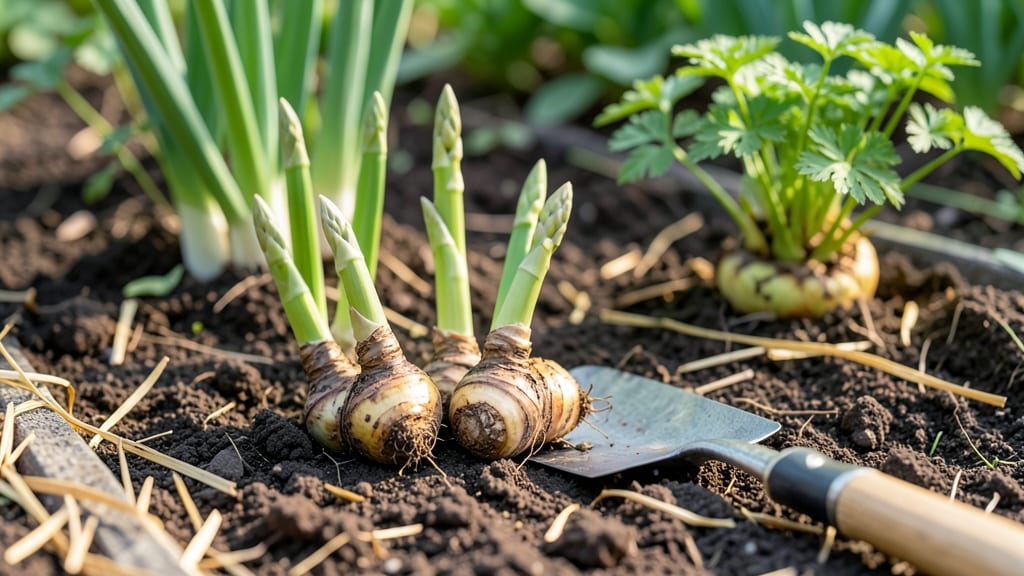
Timing your asparagus planting in Zone 6 can mean the difference between a bountiful harvest and wasted effort. The 4-week window between early March and April is critical—plant too soon, and frost will damage tender crowns; too late, and your crop won’t mature before winter sets in.
Asparagus 🌱 thrives in Zone 6’s climate, but mastering the timing takes more than just checking a calendar. You’ll need to factor in soil temperatures (ideal between 40-50°F), frost risk, and whether you’re starting from crowns or seeds. Get this right, and you’re setting up years of fresh spears.
I’ve grown asparagus in Zone 6 for years, and the key is understanding how micro-climates and soil prep can shift your planting window. Whether you’re a beginner or a seasoned gardener, these insights will help you avoid common mistakes that kill yields.
Ready to unlock the secrets of perennial asparagus success? Let’s break down the exact steps to plant for maximum growth—and why fall planting might surprise you as the better option.
Zone 6 asparagus planting timeline: exact weeks and temperature rules
Getting the timing right for asparagus in Zone 6 means understanding your last frost date (typically around April 15) and soil temperatures. Young crowns need 40-50°F soil to establish roots before summer heat arrives.
Plant too early, and frost will damage tender shoots; too late, and your crop won’t mature before winter.
In Zone 6, the ideal planting window spans just 4 weeks: from late March to mid-April. This aligns with when soil warms enough to support root growth while avoiding late frosts.
For fall planting (a Zone 6 secret weapon), aim for late August to early September—crowns establish roots before winter dormancy.
Here’s the science behind the timing: Asparagus crowns need 60-70 days to establish roots before summer’s peak heat. Planting in early spring gives them this head start, while fall planting lets roots grow in cool soil before winter. Both methods work, but spring is more forgiving for beginners.
Your Zone 6 microclimate matters too. If you’re in a colder 6a subzone, push planting to mid-April to avoid frost. In warmer 6b areas, late March is safer. Use a soil thermometer to confirm 40°F+ soil before planting—this is your green light.
Zone 6 Asparagus Planting Timeline
| Stage | Action | Soil Temp | Zone 6 Window |
|---|---|---|---|
| Soil Prep | Test pH (6.5-7.0), amend with compost | N/A | February-March |
| Spring Planting | Plant 1-year crowns 6-8" deep | 40-50°F | Late March-Mid April |
| Fall Planting | Plant crowns for root establishment | 50-60°F | Late Aug-Early Sept |
| First Harvest | Year 3: June-July | N/A | After 3 years |
| Critical Warning | Avoid planting when soil <40°F | ❄️ Below 40°F | Never |
For crown planting (the easiest method), buy 1-year-old crowns from nurseries in late winter. These are pre-grown roots ready to establish. Seed planting is riskier in Zone 6—seeds need 70°F soil to germinate, which rarely aligns with spring planting windows.
If you choose seeds, start them indoors in February and transplant after last frost.
Pro tip: Use black plastic mulch in early spring to warm soil faster. Lay it down 2-3 weeks before planting to create a 5-10°F warmer microclimate, giving you a 2-week head start on the planting window. Remove it after planting to avoid overheating crowns.
Zone 6 gardeners often ask: "Can I plant asparagus in fall?" The answer is yes—and it’s brilliant. Fall-planted crowns establish roots in cool soil, then dormant through winter, emerging stronger in spring. This method reduces spring planting competition and gives you earlier harvests in years 3-4.
If you’re new to asparagus, spring planting is simpler. Start with Mary Washington or Jersey Knight varieties—they’re Zone 6 favorites with proven cold hardiness. For fall planting, Pacific 2000 is a top choice due to its fast root establishment in cool soils.
Remember: Asparagus is a 3-year investment. First-year plants focus on roots, second-year on foliage, and third-year harvests begin in June-July. But with the right timing, you’ll enjoy fresh spears for 15+ years—far longer than annual veggies.
Zone 6 asparagus planting timeline: exact weeks and temperature rules
Zone 6 gardeners face a critical 4-week window for planting asparagus crowns—typically mid-March to mid-April—when soil temperatures hit 40-50°F. This narrow margin ensures roots establish before summer heat or winter frost strikes.
Use a soil thermometer to confirm readiness; planting too early risks frost damage, while waiting too long delays maturity.
For fall planting (a Zone 6 secret weapon), aim for late August to early September when soil cools to 60-65°F. Crowns planted in fall develop roots before dormancy, giving them a head start in spring. Just ensure 6-8 weeks remain frost-free for root establishment.
Asparagus crowns are hardier than seeds—they survive -20°F once established, but young transplants need protection. If late spring frosts linger past April 15 (Zone 6’s average last frost), use row covers or wait until soil warms consistently above 50°F for 7 days.
| Stage | Action | Temperature Threshold | Zone 6 Window |
|---|---|---|---|
| Soil Prep | Test pH (6.5-7.0), amend with compost | N/A | February-March |
| Spring Planting | Plant crowns 6-8" deep, 12-18" apart | 40-50°F soil | Mid-March to mid-April |
| Fall Planting | Plant crowns with 6+ weeks frost-free | 60-65°F soil | Late August-early September |
| First Harvest | Wait 3 years; harvest spears 6-8" tall | 55°F+ air | June-July (Year 3) |
Seeds take 2-3 years longer to mature than crowns, so they’re rarely recommended for Zone 6’s short growing season. If you’re starting from seed, begin indoors in February and transplant seedlings in May after all frost risk passes. Seedlings need consistent moisture and protected roots during their vulnerable first year.
Pro tip: Mark your Zone 6 planting dates on a garden calendar with reminders for soil testing (February), crown ordering (January), and mulching (November). Use straw mulch 4-6 inches deep in winter to insulate crowns from frost heaves, a common Zone 6 killer.
Remember, asparagus is a perennial investment—once planted, it produces for 15-20 years. Nailing the 4-week window in Zone 6 ensures your patch thrives through decades of harvests, not just one failed season.