
Plants
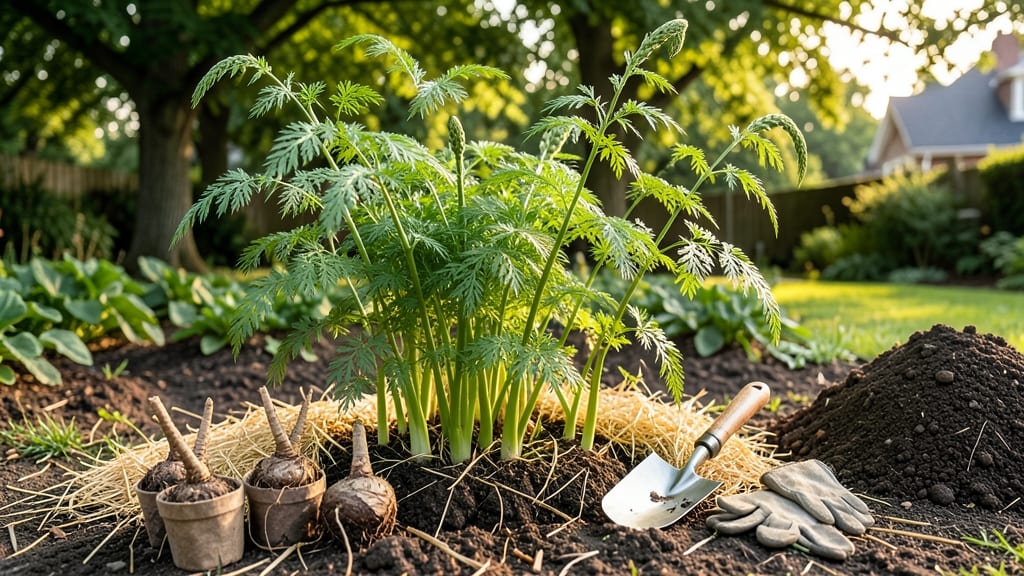
Planting asparagus in Michigan isn’t just about digging a hole—it’s about timing those crowns just right to beat frost and give your 🌱 a fighting chance.
Too early, and a late freeze can wipe out your investment; too late, and you’ll miss the narrow window for strong root establishment before summer heat sets in.
Michigan’s 5b-6b zones mean your neighbors might be planting asparagus while you’re still shoveling snow, but the key is knowing when soil temperatures hit that critical 50°F+ threshold—usually between March and April.
Whether you’re in the Upper Peninsula or Southern Lower, the right timing can mean the difference between a meager harvest and a garden full of spears by next spring.
I’ve seen gardeners rush planting only to watch their asparagus struggle—or worse, fail entirely—because they didn’t account for Michigan’s unpredictable springs. But here’s the good news: with the right approach, you can extend your growing season and get a head start on those first tender shoots.
In this guide, I’ll walk you through the exact planting windows for your zone, soil prep secrets, and even how to use row covers to trick Mother Nature into giving you an earlier harvest.
Let’s get those asparagus crowns in the ground the right way—so you can enjoy fresh spears for years to come.
Michigan planting zones and their ideal asparagus planting windows
Michigan’s diverse climate zones—ranging from USDA Zone 4 in the Upper Peninsula to Zone 6 in southern regions—require tailored asparagus planting strategies. The key is planting 2-3 months before your last frost date, but Michigan’s unpredictable spring demands flexibility.
Northern zones (like Marquette) need earlier starts, while southern areas (like Detroit) can wait slightly longer.
For crown planting (the preferred method), aim for soil temperatures of 50°F or higher. In most of Michigan, this aligns with late March to mid-April. Seeds, however, need warmer soil (60°F+) and should be sown 4-6 weeks later than crowns.
Always check your local frost dates—Michigan’s can vary by 2-3 weeks between regions.
Here’s how to align your planting with Michigan’s zones:
| Zone | Last Frost Date | Ideal Planting Window | Soil Temp Threshold | Notes |
|---|---|---|---|---|
| 4 (Upper Peninsula) | May 10–20 | March 1–15 (crowns) | 50°F+ | Use row covers for frost protection |
| 5a–5b (Northern Lower) | April 20–May 5 | March 15–April 1 | 50°F+ | Plant crowns 6–8" deep |
| 6a–6b (Southern Lower) | April 15–25 | March 20–April 10 | 50°F+ | Seeds can go in April |
In Zone 4, where frosts linger, I recommend planting crowns in early March under row covers or in a cold frame. This gives roots a 2-week head start before soil warms.
For Zone 6, you have more flexibility—planting as late as mid-April still yields strong crops, but avoid May plantings unless using fast-growing varieties like 'Jersey Knight'.
Pro tip: Use a soil thermometer to confirm readiness. Asparagus roots won’t grow below 50°F, and planting too early in cold soil can stunt root development for years. If your soil is below 50°F in March, wait or use black plastic mulch to warm it faster.
This is especially critical in clay-heavy Michigan soils, which stay cold longer.
Another key factor is moisture balance. Asparagus crowns need consistent moisture during root establishment, but waterlogged soil causes rot. In Michigan’s spring rains, amend beds with compost or sand to improve drainage. If planting in sandy soil (common in northern Michigan), add organic matter to retain moisture.
For seed planting, which is riskier in Michigan’s short season, start seeds indoors 8–10 weeks before your last frost. Transplant seedlings after soil reaches 60°F and all frost risk has passed.
Seeds take 2–3 years to mature compared to 1–2 years for crowns, so they’re best for Zone 6 gardeners with longer growing seasons.
Remember: First-year harvests are minimal—focus on root establishment. In Michigan, Year 2 is when you’ll see 10–15 spears per plant, and Year 3+ delivers full harvests. Patience pays off, especially in colder zones where asparagus needs every growing day to thrive.
🌱
Signs your Michigan soil is ready for asparagus (and what to do if it’s not)
Michigan’s clay-heavy soils and unpredictable spring thaw can delay asparagus planting if you’re not prepared. Before digging in, check for these three key soil readiness signs—or risk stunted roots and poor harvests.
Cold soil temperatures (below 50°F) will shock asparagus crowns, while soggy ground can lead to rot.
First, test your soil temperature at a depth of 6 inches. Use a soil thermometer or bury a glass jar with water overnight—if it stays above 50°F for 24 hours, your soil is ready.
In Northern Michigan (USDA Zone 4), this often means waiting until mid-to-late April, while Southern Michigan (Zone 6) may be ready by early April.
Next, assess moisture levels. Press your finger 2 inches deep—if the soil feels damp but not soggy, it’s ideal. Michigan’s spring rains can make soil too wet, so amend with compost or coarse sand if drainage is poor.
A simple percolation test (dig a 12-inch hole, fill with water, and time how long it drains) should show 4-6 hours for proper drainage.
⚠️ Warning: Cold Soil = Failed Planting
If your soil is below 50°F, asparagus crowns will rot. In Michigan’s Zone 5, this often happens in March plantings. Wait until soil warms consistently—use black plastic mulch 2 weeks before planting to speed up the process.
Pro Tip: Mix well-rotted manure into clay soil to improve aeration and warmth retention.
For clay-heavy soils common in Michigan, add organic matter like leaf mold or peat moss to improve structure. Work it into the top 12 inches of soil and rake smooth.
If your soil tests below pH 6.5, sprinkle lime and re-test in 2-3 months—asparagus thrives in slightly alkaline soil (6.5-7.5).
Finally, choose the right planting method for your soil. In heavy clay, opt for raised beds filled with a 50/50 mix of soil and compost.
For sandy soils, add compost and peat moss to retain moisture. Always plant crowns 6-8 inches deep—deeper in heavy soil, shallower in sandy areas.
If your soil isn’t ready, delay planting and use the time to build a cold frame or prepare raised beds. Asparagus is patient—it can wait 2-3 weeks for perfect conditions, but rushing leads to weak roots and poor yields.
Mark your calendar for Michigan’s last frost date (April 15) and aim to plant 4-6 weeks before to give roots time to establish.