
Plants
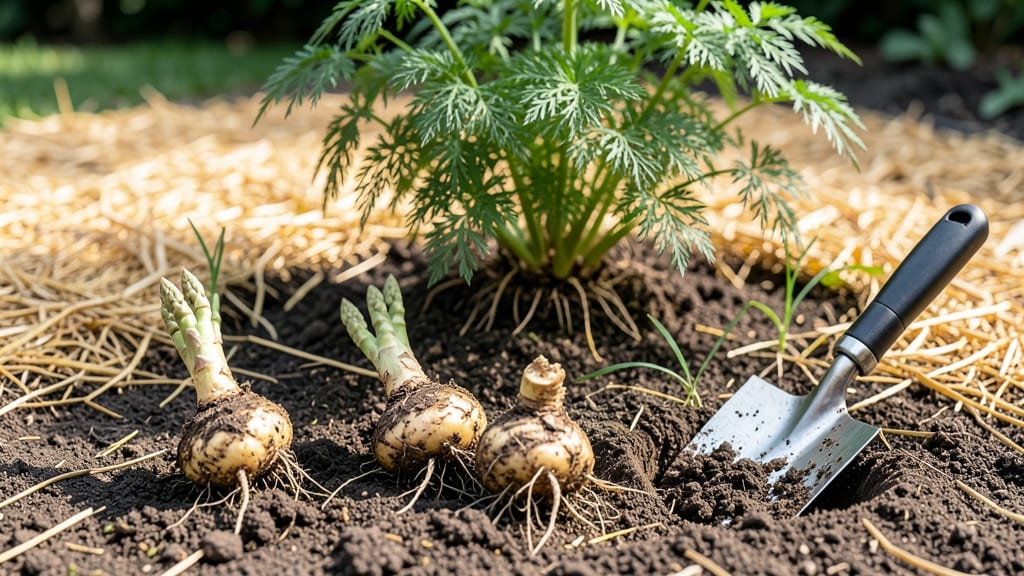
Timing your asparagus planting in Zone 8 isn't just about the calendar—it's about unlocking that first harvest in just 3 years instead of waiting forever.
The difference between planting too early (and risking frost damage) or too late (and stunting root growth) can mean the difference between a thriving garden and years of disappointment.
In Zone 8, where winters are mild but summers can be brutal, the sweet spot for planting asparagus crowns falls between late winter and early spring—typically February through March.
This window gives your 🌱 asparagus roots time to establish before the heat of summer arrives, setting the stage for a robust harvest in just a few seasons.
But here's the catch: soil temperature matters just as much as the calendar. Planting when the ground reaches 50°F ensures your crowns take off without stress, while waiting until after the last frost (usually around early January) gives you a safety net.
I'll walk you through exactly how to time it right, whether you're using crowns or seeds, and how to prep your soil for maximum success.
Ready to skip the guesswork and grow asparagus like a pro? Let’s dive into the exact steps to plant your crowns at the perfect moment—so you can enjoy your first spears sooner than you think.
Optimal planting windows for asparagus in Zone 8 by month
In Zone 8, where winters are mild and summers hot, timing your asparagus planting is everything. The ideal window is late winter to early spring—typically February through March—when soil temperatures hover around 50°F to 55°F.
This gives roots time to establish before summer heat arrives. Fall planting is risky in Zone 8 due to warm soil temperatures, which can stimulate premature growth and stress the crowns.
Zone 8’s last frost dates (mid-December to early January) and first frost dates (mid-November to early December) don’t directly dictate planting, but they influence soil conditions. The key is soil temperature, not air temperature.
Use a soil thermometer to confirm the ground is at least 50°F before planting—cold soil delays root growth and increases rot risk.
Microclimates in Zone 8 can shift ideal planting dates by 2-4 weeks. Coastal areas with cooler summers may tolerate April planting, while inland zones with hotter soils should plant by late February.
If you miss the spring window, fall planting is possible in October, but only if soil temps drop below 60°F consistently.
Here’s how to adjust for Zone 8’s unique climate:
| Month | Ideal Planting Time | Soil Temp Requirement | Notes for Zone 8 |
|---|---|---|---|
| February | Early February (cooler inland zones) | 50°F–55°F | Best for inland areas; avoid if soil is soggy from winter rains. |
| March | Mid-March (primary window) | 55°F–60°F | Optimal for most of Zone 8; roots establish before summer heat. |
| April | Early April (coastal zones only) | 60°F–65°F | Risky inland; soil may be too warm, causing stress. |
| October | Late October (fall backup) | Below 60°F | Only for areas with cool fall soil; crowns must be dormant. |
For Zone 8 gardeners, crowns (not seeds) are the best choice—they establish faster and yield sooner. Purchase 1-year-old crowns in late winter and plant them 6–8 inches deep in trenches.
Space them 12–18 inches apart in rows 3–4 feet apart to allow for future expansion. This spacing prevents overcrowding and makes harvesting easier.
If you’re planting asparagus seeds (a longer-term project), start them indoors 8–10 weeks before your last frost date. However, seeds take 3 years to produce spears, while crowns yield in 2–3 years. For Zone 8’s impatient gardeners, crowns are the clear winner.
Pro tip: Mark your planting date on a garden calendar and note the soil temperature at planting. This helps you adjust future plantings. For example, if your soil was too warm in March, shift to February next year.
After planting, mulch with 2–3 inches of straw to retain moisture and regulate soil temperature. Avoid organic mulches like wood chips, which can compact and suffocate roots. In Zone 8’s heat, mulch also prevents soil crusting, ensuring spears emerge smoothly in spring’s second year.
Remember, patience is key—asparagus crowns need 2–3 years to establish before harvest. But with the right timing, you’ll enjoy 20+ years of harvests from a single planting. That’s a Zone 8 gardener’s dream! 🌱
Optimal planting windows for asparagus in Zone 8 by month
In Zone 8, where winters are mild and summers scorching, timing your asparagus crowns planting is critical. The ideal window spans from late February to early April, when soil temperatures hover between 45°F and 60°F.
Planting too early risks cold damage, while late planting delays root establishment, pushing back your first harvest by a full year.
Zone 8’s last frost date typically falls between mid-December and January, but asparagus crowns need 6-8 weeks of warm soil to establish roots before active growth begins. This means March is the sweet spot—soil warms enough to support root growth, yet temperatures remain mild enough to avoid stress.
For gardeners in cooler microclimates within Zone 8 (like higher elevations), aim for late March to early April. In warmer microclimates (e.g., coastal areas), you can plant as early as February, provided soil temperatures stay above 45°F.
Use a soil thermometer to confirm—roots won’t develop properly in cold soil.
| Month | Soil Temp Threshold | Planting Window | Notes |
|---|---|---|---|
| February | ≥45°F | Warmer microclimates only | Risk of cold damage; test soil first |
| March | 45°F–60°F | Ideal for most of Zone 8 | Balances root growth and frost risk |
| April | ≥60°F | Cooler microclimates | Slower root establishment; delay harvest |
| Fall (Optional) | 50°F–60°F | Late September–October | Less common; roots need winter dormancy |
While spring planting is standard, some gardeners attempt fall planting in Zone 8 (late September–October) for an early start. However, asparagus crowns planted in fall may struggle to establish roots before winter dormancy, often resulting in poor survival rates.
If you choose this route, select disease-resistant varieties like 'Jersey Knight' and ensure soil temps stay above 50°F for 4+ weeks post-planting.
Pro tip: If your soil is still too cold in March, cover the bed with black plastic mulch 1–2 weeks before planting. This warms the soil faster and jumpstarts root growth.
Remove the plastic once shoots emerge to prevent overheating. For container gardening, use insulated pots to protect roots from temperature swings.
Remember: Patience is key—asparagus takes 2–3 years to establish before harvest. Planting at the right time in Zone 8 ensures your crowns focus energy on root development rather than struggling with temperature stress. Start with 3–5 crowns to test your timing before expanding.