
Trees
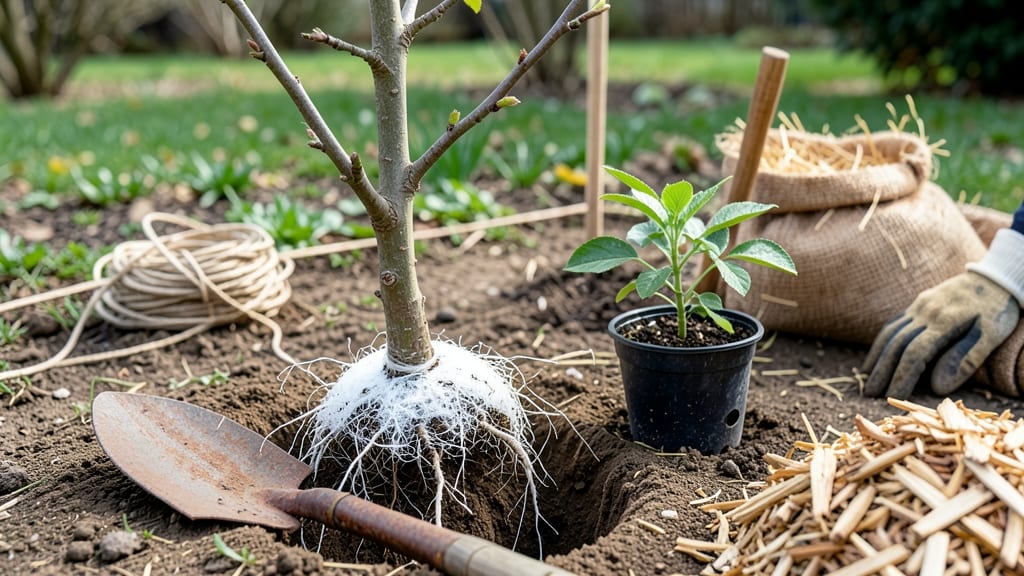
If you’ve ever wondered "when to plant apple trees in Indiana", timing is everything—especially in USDA Zones 5b-6b, where late frosts and unpredictable springs can make or break your orchard.
Planting your 🍎 at the wrong time means struggling with weak roots, stunted growth, or even lost trees by summer. But get it right, and you’ll set the stage for a thriving orchard that rewards you with crisp, homegrown apples for years.
Indiana’s ideal window for planting apple trees is late winter to early spring—think February through April—when the soil is workable but the risk of hard frosts has passed. This timing lets roots establish before the growing season kicks into high gear, giving your tree a head start.
For those in colder Zone 5 areas, aim for early spring; in warmer Zone 6 spots, you might even squeeze in a fall planting before the first frost hits.
Why does this matter so much? Apple trees need 120-180 frost-free days to mature, and Indiana’s climate—with its average last frost around April 15—demands precision. Plant too early, and frost can damage tender roots; too late, and your tree won’t have enough time to strengthen before summer heat arrives.
The key is balancing soil warmth, moisture, and safety from late frosts to give your 🍎 the best shot at success.
In this guide, I’ll break down the exact months to plant, soil prep tips for Indiana’s clay-heavy ground, and the best apple varieties for your zone.
Whether you’re a first-time gardener or a seasoned orchard keeper, these insights will help you avoid common mistakes and grow a productive, long-lived apple tree. Let’s get started!
Best planting months for apple trees in Indiana’s USDA Zones 5-6
Indiana’s climate—with its late frosts and variable springs—demands precision when planting apple trees. In USDA Zones 5-6, timing directly impacts root growth and fruit production. The ideal window is late winter to early spring, but fall planting also works for container-grown trees.
Let’s break down the best months and what to watch for in northern vs. southern Indiana.
For bare-root trees, aim to plant between late February and early April. This gives roots time to establish before summer heat. Container-grown trees offer flexibility: plant them until early fall (before October 15), but avoid late fall to prevent winter stress.
Northern Indiana (Zone 5) has a shorter window—prioritize March-April—while southern Indiana (Zone 6) can extend planting into May.
Soil temperatures matter most. Roots need 40°F+ soil to grow actively. In Indiana, this typically aligns with late March to early April, but check local frost dates—April 15 is Indiana’s average last frost.
Planting too early risks frost damage to new shoots, while waiting too long delays root establishment.
🌱 Indiana Apple Tree Planting Timeline
| Season | Best Months | Soil Temp | Key Consideration |
| Late Winter | February-March | 35-45°F | Bare-root trees only; avoid frost |
| Spring | March-April | 40-50°F | Ideal for root growth; post-frost |
| Early Fall | September-October | 50-60°F | Container-grown trees; before dormancy |
🌡️ Pro Tip: Use a soil thermometer to confirm readiness—roots need warmth to thrive.
Northern Indiana’s colder microclimates (e.g., Zone 5b) favor March planting to avoid late frosts. Southern Indiana’s milder Zone 6 allows April-May flexibility. Always check local frost forecasts—Indiana’s unpredictable springs can delay planting by weeks. For example, 2023’s late frost in early May caught many gardeners off guard.
Container-grown trees adapt better to fall planting (September-October). Their established root balls reduce transplant shock, but avoid planting after October 15—roots need 6-8 weeks to harden off before winter. In Zone 5, aim for early September to ensure roots acclimate before frost.
Watch for soil moisture during planting. Indiana’s clay soils retain water but can become waterlogged in spring. Amend heavy clay with compost or sand to improve drainage.
A well-draining site prevents root rot, especially critical in Zone 5’s wetter springs. Test soil moisture by squeezing a handful—it should crumble, not stick.
Mulching after planting conserves moisture and regulates soil temperature. Use 3-4 inches of organic mulch (wood chips or straw) and keep it 6 inches from the trunk. This mimics Indiana’s natural leaf litter, protecting roots from temperature swings and competing weeds. Replenish mulch annually to maintain benefits.
Young apple trees benefit from staking in windy sites (common in northern Indiana2-3 stakes and flexible ties to support the tree without restricting root growth. Remove stakes after 1-2 years to encourage natural trunk strength. Wind exposure can stunt growth, so plant near windbreaks if possible.
Finally, consider tree age when choosing planting time. Bare-root trees (1-2 years old) plant best in dormant season (winter-spring). Container-grown trees (3+ years old) tolerate fall planting better. Always inspect roots—healthy roots should be white or light tan, not brown or mushy.
Timing your apple tree planting in Indiana boils down to soil temperature, frost risk, and tree type. By following these guidelines, you’ll set your tree up for strong root growth and years of bountiful harvests. Happy planting! 🍎
Best planting months for apple trees in Indiana’s USDA Zones 5-6
Indiana’s USDA Zones 5-6 offer a narrow window for planting apple trees, where timing directly impacts survival and fruit production. The ideal months are March and April, when soil thaws but last frost dates (around April 15) haven’t passed.
This aligns with bare-root tree dormancy, allowing roots to establish before summer heat arrives.
For northern Indiana (Zone 5b), prioritize late March to early April—soil temperatures should reach 40°F (4°C) consistently.
In southern Indiana (Zone 6b), you can extend planting into mid-April, but avoid May, as heat stress weakens young trees. Fall planting (September) is riskier due to early frosts and shorter root growth periods.
⚠️ CRITICAL TIMING FACTORS:
- Bare-root trees must be planted before buds swell (typically February-March).
- Container-grown trees can go until early fall (October), but avoid late planting if first frost arrives by October 20.
- Soil temperature should be 50°F (10°C)+ for root growth.
If you miss the spring window, fall planting (September) is possible but requires extra soil prep to prevent winter desiccation. Choose dwarf varieties for faster establishment, as they adapt better to Indiana’s short growing season (165 frost-free days). Always mulch heavily (4–6 inches) to insulate roots during winter.
For container-grown trees, extend planting to early October, but avoid late fall—roots won’t harden before frost. Water deeply before the first freeze to prevent root heave.
In Zone 5b, prioritize early spring planting; in Zone 6b, you have slightly more flexibility but still aim for before buds break.
Pro tip: Use a soil thermometer to confirm 50°F (10°C) soil temps before planting. In northern Indiana, wait for consistent daytime highs above 50°F—this usually happens by mid-April. Southern Indiana gardeners can plant 2–3 weeks earlier due to milder microclimates.