
Trees
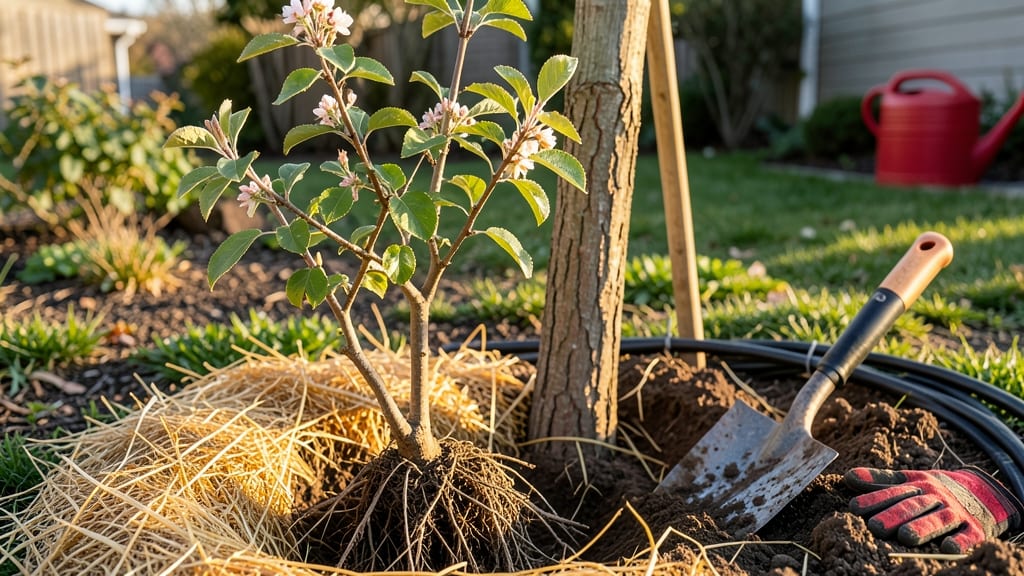
Planting an apple tree 🍎 in Illinois at the wrong time can mean struggling with weak roots or even losing your young tree to frost—yet getting the timing right transforms your backyard into a future orchard.
With USDA zones 5a-6b bringing unpredictable swings between winter chill and spring warmth, knowing exactly when to dig matters more than most gardeners realize.
The ideal window for Illinois isn’t just about seasons—it’s about chill hours and frost-free timing. Whether you’re planting bare-root saplings in February or container-grown trees in October, the stakes are high: one wrong move, and your tree’s survival hinges on luck rather than skill.
Let’s cut through the guesswork and pinpoint the best months for your region.
From Chicago’s late frosts to southern Illinois’s milder springs, we’ll break down what works—and what doesn’t. You’ll discover how to prep soil, time your planting for maximum root growth, and avoid the 3 biggest mistakes Illinois gardeners make.
Ready to set your apple tree up for a lifetime of harvests?
This isn’t just about planting—it’s about strategic timing that turns your effort into rewards. Let’s get started.
Best planting months in Illinois based on chill-hour zones
Illinois spans USDA hardiness zones 5a to 6b, meaning apple trees must endure 400-1,000 chill hours annually to thrive. These chill hours (temperatures between 32°F and 45°F) are critical for breaking dormancy and setting fruit.
In northern Illinois (zones 5a-5b), trees need 800-1,000 chill hours, while southern regions (zones 6a-6b) require 400-600 chill hours. Planting at the wrong time can disrupt this balance, leading to poor fruit production or tree death.
For northern Illinois (e.g., Chicago, Rockford), aim for late April to early May planting. This timing aligns with soil thawing and bud swell, giving roots 6-8 weeks to establish before summer heat.
In central and southern Illinois (e.g., Springfield, St. Louis), early April to mid-April works best, as the risk of late frosts (28°F or lower) decreases after these dates.
| Region | Chill-Hour Zone | Best Planting Window | Key Consideration |
|---|---|---|---|
| Northern IL (Chicago, Rockford) | 5a-5b | Late April - Early May | Avoid late frosts; soil must thaw |
| Central IL (Peoria, Springfield) | 5b-6a | Early April - Mid-April | Warmer microclimates allow earlier planting |
| Southern IL (St. Louis, Carbondale) | 6a-6b | Late March - Early April | Lower chill hours; plant early to avoid heat stress |
| All Regions (Fall Option) | 5a-6b | October - November | 6-8 weeks before first frost; roots establish before winter |
Fall planting (October to November) is also ideal for Illinois, provided you plant 6-8 weeks before the first frost. This timing allows roots to establish without competing with summer heat.
For example, in Chicago (zone 5b), plant by October 15, while in St. Louis (zone 6a), extend planting to November 1. Fall-planted trees benefit from cooler soil temperatures, reducing transplant shock.
Bare-root apple trees are best planted in late winter to early spring (February to March), before buds swell but after the ground thaws. Container-grown trees, however, offer flexibility—they can be planted year-round except in winter.
If planting in late spring (May-June), choose container-grown trees to minimize stress and ensure adequate moisture during establishment.
One critical mistake Illinois gardeners make is planting too early in spring. If you plant in March, young trees may experience late frost damage (common in April) while still vulnerable.
Similarly, fall planting after November 15 risks root freeze before winter dormancy sets in. Use local frost-free date maps (from the Midwest Regional Climate Center) to refine your timing.
For dwarf varieties (e.g., 'Liberty' or 'Zestar!'), timing is slightly less critical, but they still need 600+ chill hours. Standard-sized trees ('Honeycrisp') require 800+ chill hours, making precise timing essential in northern Illinois. Always check the chill-hour requirements of your chosen variety before planting.
Pro tip: Amend your planting hole with compost and native soil to improve drainage—a must in clay-heavy Illinois soils. Mulch with 3-4 inches of wood chips to retain moisture and regulate soil temperature. Water deeply immediately after planting and again in 7-10 days to encourage root growth.
Remember, apple trees are a long-term investment. Proper timing now means decades of harvests with minimal care. Whether you choose spring or fall, prioritize root establishment over hasty planting—your future orchard depends on it!
Frost-free timing: how to avoid spring & fall planting mistakes
Timing your apple tree planting around Illinois' frost-free dates is critical—especially since late frosts can kill young trees or stunt root growth. In northern Illinois (like Chicago), the last frost typically hits around April 15, while southern regions (near St. Louis) may see frost as late as mid-April.
Planting too early risks exposing tender roots to cold snaps, while waiting too long delays root establishment before summer heat arrives.
For spring planting, aim to get bare-root trees in the ground by mid-April in northern areas or early April in the south. Container-grown trees offer more flexibility—they can handle slightly later planting (up to May 1) since their roots aren’t exposed.
The key is ensuring roots have 4-6 weeks to establish before summer drought stress begins.
Fall planting is riskier in Illinois due to early frosts. Start no later than October 15 in northern zones or November 1 in southern areas, giving roots time to harden before winter. Use mulch (4-6 inches) to insulate roots and protect against freeze-thaw cycles. Avoid planting after the first frost—new roots won’t survive sub-zero temps.
Critical Mistakes to Avoid
• Planting bare-root trees after buds swell (spring) or before roots harden (fall).
• Ignoring microclimates—low spots freeze faster than south-facing slopes.
• Skipping root protection (mulch or burlap wraps) for fall plantings.
• Overwatering before roots establish (1-2 weeks post-planting).
To check your local frost dates, use the National Weather Service or plant frost-sensitive flowers (like marigolds) nearby as early warnings. In Chicago, for example, a 30% chance of frost lingers until May 15—plant accordingly. For rural areas, consult your local Cooperative Extension office for hyper-local data.
Pro tip: If you must plant in late spring, choose a container-grown tree and use row covers for the first two weeks to shield new growth from unexpected frosts.
For fall plantings, add extra mulch in December to prevent root heave during freeze-thaw cycles. These small adjustments can mean the difference between a thriving tree and a lost investment.
Remember, Illinois’ climate is unpredictable—always have a backup plan (like frost cloth) ready. With the right timing, your apple tree will reward you with decades of harvests, not just a few seasons. 🍎