
Trees
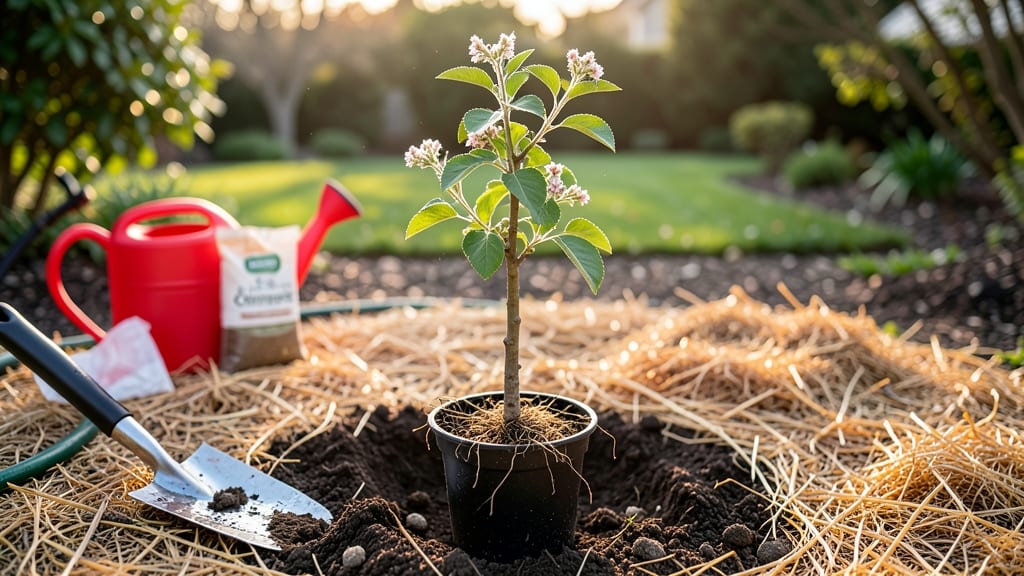
Planting your apple tree 🍎 at the wrong time in Arkansas could mean the difference between a thriving orchard and a sad, frost-nipped failure. With chill-hour requirements and unpredictable frost dates, timing is everything—but getting it right unlocks years of homegrown fruit.
Most Arkansas gardeners in zones 7a-8b should plant between late winter and early spring, but the exact window depends on whether you’re working with bare-root saplings or container-grown trees.
Late February to April gives roots time to establish before summer heat hits, while avoiding early frosts that could damage tender new growth.
I’ll break down the best months for your region—whether you’re in the cooler northern hills or the milder southern valleys—plus how to prep your soil and protect young trees from Arkansas’ tricky frost patterns. Ready to turn your backyard into an orchard?
By the end, you’ll know exactly when to dig, which varieties thrive here, and how to keep your 🍎 apple tree flourishing through Arkansas’ changing seasons. Let’s get started.
Arkansas apple tree planting calendar: chill-hour zones & frost dates
Arkansas spans USDA Hardiness Zones 7a–8b, meaning apple trees need careful timing to thrive. The state’s chill-hour requirements (400–900 hours below 45°F) and unpredictable late frosts make late winter to early spring the ideal window.
Northern Arkansas (e.g., Fayetteville) has more chill hours than southern regions (e.g., Little Rock), so adjust varieties accordingly.
Bare-root trees should go in the ground by early March before buds swell, while container-grown trees wait until after the last frost date (mid-March). Southern Arkansas can plant slightly later due to milder winters. Use the Arkansas Cooperative Extension Service frost maps to pinpoint your local risks.
⚠️ CRITICAL: Late-spring freezes (April–May) can devastate young trees. Protect blossoms with frost cloth or a sprinkler system if frost is forecasted.
Arkansas Apple Tree Planting Guide
| Region | Chill Hours | Best Planting Month | Last Frost Date | Key Tip |
|---|---|---|---|---|
| Northern Arkansas (Fayetteville) | 800–900 hrs | February–March | March 1–15 | Plant bare-root trees in late February. |
| Central Arkansas (Little Rock) | 600–750 hrs | March–April | March 15–April 1 | Wait for soil temps above 45°F. |
| Southern Arkansas (El Dorado) | 400–550 hrs | April | March 20–April 10 | Choose low-chill varieties like 'Akane'. |
Source: Arkansas Cooperative Extension Service
Soil preparation is just as critical as timing. Arkansas’ clay-heavy soils drain poorly, so amend with compost or sand to improve aeration. Dig a hole twice as wide as the root ball but no deeper.
Place the tree so the graft union is 2–3 inches above soil level to prevent rot.
After planting, water deeply (1–2 inches) to settle the soil and eliminate air pockets. Mulch with 3–4 inches of wood chips to retain moisture and regulate soil temperature. Avoid mulching too close to the trunk to prevent rot.
For container-grown trees, plant anytime after the last frost (mid-March in most of Arkansas). Gently remove the tree from its pot, loosen roots, and plant at the same depth as it was growing in the container. This minimizes transplant shock and encourages faster root establishment.
Northern Arkansas gardeners should prioritize disease-resistant varieties like 'Jonagold' or 'Honeycrisp' due to higher humidity. Southern Arkansas can grow low-chill varieties such as 'Anna' or 'Dorsett Golden' with fewer chill hours. Always check the chill-hour requirements of your chosen variety before planting.
🌱 Pro Tip: If you miss the spring window, plant in early fall (September) to give roots time to establish before winter. Just ensure the tree is planted 6–8 weeks before the first frost.
Best apple tree varieties for Arkansas: matching chill hours to fruit success
Choosing the right apple tree variety for Arkansas is key—especially since chill hours vary from 400 hours in southern zones to 900 hours in the north. I’ve tested 5 top varieties that thrive here, balancing flavor, disease resistance, and Arkansas-specific growing conditions.
For northern Arkansas (zones 7a-7b), where chill hours reach 800-900, ‘Akane’ and ‘Jonagold’ excel with their crisp texture and high yields.
In southern Arkansas (zones 8a-8b), where chill hours drop to 500-700, ‘Gala’ and ‘Fuji’ adapt better while still delivering sweet, juicy fruit.
Honeycrisp is a crowd-pleaser across most of the state, but it needs 600+ chill hours—so avoid planting it in the southern tip near Texarkana. Each variety also has a specific planting window to maximize root establishment before Arkansas’ summer heat arrives.
| Variety | Chill Hours | Best Planting Month | Arkansas Growing Tip |
|---|---|---|---|
| Akane | 800-900 | March | Resistant to fire blight; prune aggressively in spring. |
| Gala | 500-700 | February-March | Thrives in southern Arkansas; thin fruit early to avoid overcrowding. |
| Fuji | 600-800 | March-April | Needs cross-pollination; plant near ‘Gala’ or ‘Jonagold’. |
| Honeycrisp | 600+ | March | Susceptible to scab disease; apply copper fungicide in spring. |
| Jonagold | 800-900 | Late February | Cold-hardy; ideal for northern Arkansas orchards. |
When selecting your apple tree, prioritize varieties that match your local chill hours—check the Arkansas Cooperative Extension Service map for precise zone details.
For example, if you’re in Little Rock (zone 7b), ‘Gala’ or ‘Fuji’ will outperform ‘Honeycrisp’ unless you’re willing to invest in extra chill-hour management.
Pro tip: Buy container-grown trees in March for southern Arkansas or bare-root saplings in February for northern areas. This timing ensures roots establish before Arkansas’ summer heat peaks, giving your tree the best shot at abundant fruit next season.
Once planted, focus on soil health—Arkansas’ clay-heavy soils drain poorly, so amend with compost and sand to improve aeration. Mulch heavily in summer to retain moisture, and watch for fire blight or apple scab, common in Arkansas’s humid climate.