
Plants
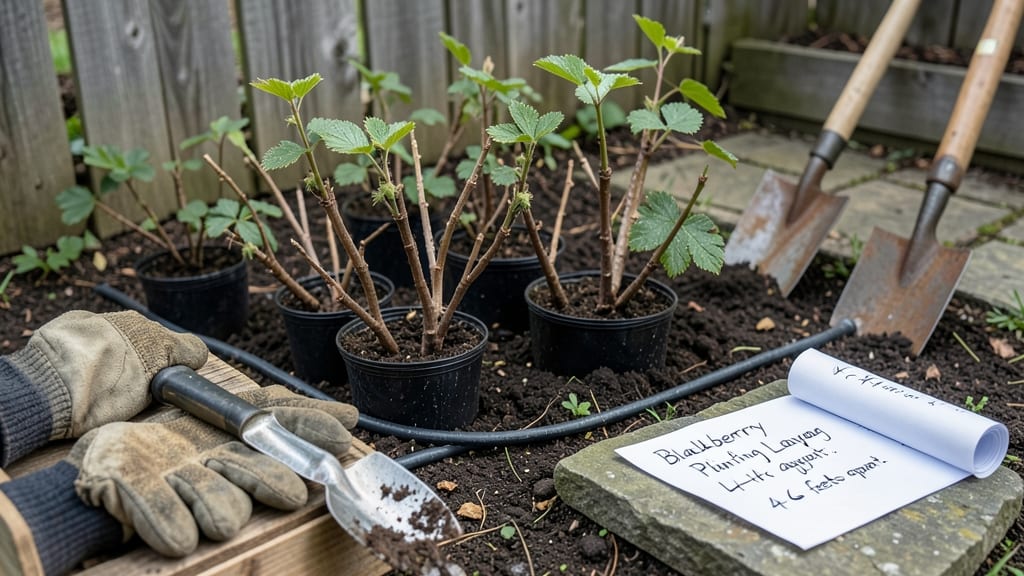
Timing your blackberry planting in Arkansas can mean the difference between a bountiful harvest of juicy 🫐 berries and struggling canes that never quite thrive. With Arkansas' 7a-8b climate zones, knowing exactly when to plant—whether in late winter or fall—is critical for success.
Most gardeners make the mistake of planting too early, only to watch frost nip their young canes. But getting it right means selecting the perfect window between September and October for fall planting or February to March in early spring.
These months align perfectly with Arkansas' frost patterns and give your blackberries the best chance to establish strong roots before summer heat arrives.
In this guide, I'll break down the exact months that work best for your chill-hour zone, whether you're growing primocane or floricane varieties. You'll discover how to prepare your soil, choose the right variety for Arkansas' climate, and avoid common mistakes that sabotage new plantings.
Ready to grow blackberries that produce year after year? Let's get started with the planting schedule that actually works for Arkansas gardeners.
Arkansas blackberry planting calendar: exact months by chill-hour Zone
Arkansas spans USDA Zones 7a–8b, meaning chill-hour requirements vary dramatically across the state. Northern regions (like Bentonville) need 800–1,000+ chill hours, while southern areas (like Little Rock) thrive with 400–600 hours.
This mismatch explains why some blackberry varieties flourish in Northeast Arkansas but struggle in Southeast Arkansas.
For optimal planting, focus on two windows: early spring (February–March) and fall (September–October). Spring planting lets canes establish roots before summer heat, while fall planting avoids drought stress and gives plants a head start. Never plant in summer—Arkansas’ humidity and heat stress young roots.
The Arkansas Agricultural Extension recommends waiting until soil temperatures reach 50°F (10°C) for spring planting. Use a soil thermometer to check—cold soil slows root growth. In fall, plant 6–8 weeks before first frost (typically mid-November in most zones).
If you’re in Zone 7a, prioritize late-March planting to avoid late spring frosts that can damage new canes. For Zone 8b, early February works—soil warms faster, and frost risk is minimal. Fall planting is ideal for southern Arkansas because cooler temps reduce transplant shock.
Pro tip: Use row covers if planting in late February—they protect young canes from unexpected 28°F (-2°C) dips. Monitor the Arkansas State Climate Office for 10-day forecasts before planting. A 3-day stretch above 60°F (15°C) signals safe planting.
For thornless varieties like Natchez, plant in September—they establish faster in cooler weather. Thorny varieties (e.g., Ouachita) tolerate slightly later spring planting but need extra mulch to retain moisture in Arkansas’ hot summers.
After planting, water deeply once a week for the first month to encourage root growth. In Zone 7a, add 2–3 inches of mulch to insulate roots from winter temperature swings. Southern zones need less mulch but benefit from drip irrigation during dry spells.
Remember: Primocane varieties (like Prime-Ark 45) produce berries on current-year canes, so they thrive in southern Arkansas’ milder winters. Floricane types (e.g., Arapaho) need dormancy, making them better for northern Arkansas.
Timing isn’t just about months—it’s about chill hours. Track your local chill hours using the Arkansas Cooperative Extension’s chill-hour calculator to match varieties to your microclimate. Mismatched chill hours lead to poor fruiting or no harvest at all.
Arkansas blackberry planting calendar: exact months by chill-hour Zone
Arkansas' 7a-8b climate zones create two distinct planting windows for blackberries: fall (September-October) and early spring (February-March). The key is aligning your planting with chill-hour requirements (400-1000+ hours) and avoiding frost risks that can kill tender canes.
Fall planting (September-October) gives canes time to establish roots before winter dormancy, while spring planting (February-March) avoids late frosts. Both methods work, but your chill-hour zone determines which varieties thrive best in your area.
Here's the breakdown of optimal planting months based on Arkansas' chill-hour zones and frost patterns:
| Chill-Hour Zone | Best Planting Window | Frost Risk | Recommended Varieties |
|---|---|---|---|
| 400-600 hrs (North AR) | Late September - Early October | High frost risk after Nov 15 | Natchez, Ouachita, Chester |
| 600-800 hrs (Central AR) | Mid-September - Mid-October | Moderate frost risk after Nov 1 | Arapaho, Prime-Ark 45, Triple Crown |
| 800-1000+ hrs (South AR) | Early October - Early November | Low frost risk until Dec 1 | Prime-Ark Freedom, Prime-Ark 95-2, Black Satin |
| All Zones (Spring) | Mid-February - Early March | Low frost risk after March 15 | All varieties (best for late primocanes) |
For northern Arkansas (400-600 chill hours), stick to early fall planting (late September) to ensure canes establish before winter. In central Arkansas (600-800 hours), you have flexibility for mid-September to mid-October plantings. Southern Arkansas (800+ hours) gardeners can plant as late as early November with minimal frost risk.
Spring planting (February-March) works statewide but requires careful monitoring of frost forecasts. Plant after your last average frost date (typically mid-March) to avoid damage. Bare-root canes planted in spring need consistent moisture to compensate for slower root establishment.
Pro tip: Check the Arkansas Cooperative Extension Service frost maps each year, as patterns can shift. For example, 2023 saw later frosts in northwest Arkansas, pushing optimal planting dates back by 2-3 weeks.