
Trees
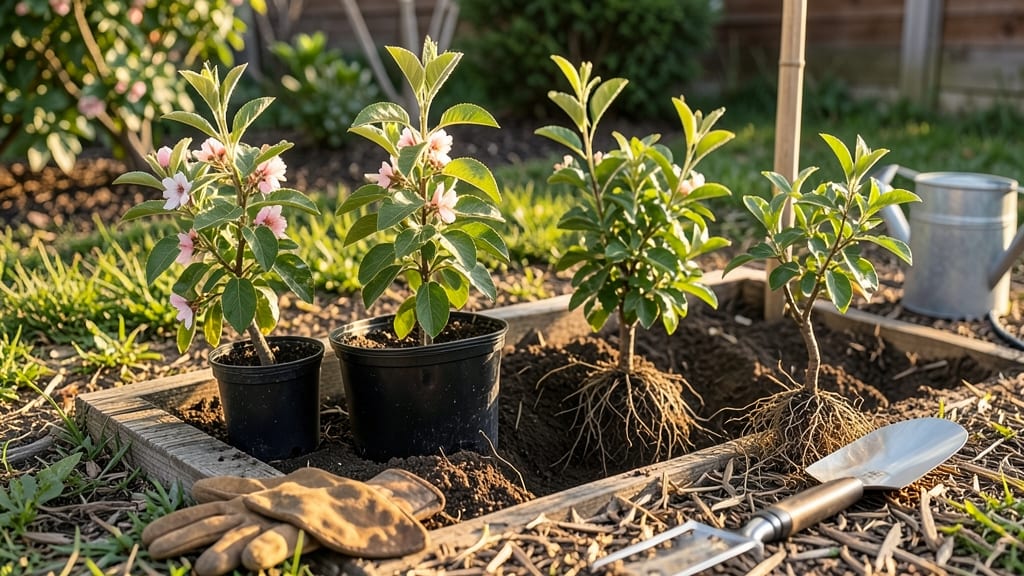
If you’ve ever wondered when to plant fruit trees in New Zealand, timing isn’t just important—it’s the difference between a thriving orchard and a wasted investment.
With frost risks lurking in some regions and heatwaves in others, getting the window right means your young trees have the best shot at surviving their first critical months.
New Zealand’s diverse climate zones—from frost-prone Canterbury to subtropical Northland—mean there’s no one-size-fits-all answer. But here’s the good news: by aligning your planting with chill-hour requirements and local frost dates, you can maximize growth and set your fruit trees up for success.
Whether you’re growing apples in the South Island or citrus in the North, knowing the ideal months for your area is key.
I’ll break down the exact planting windows for your region, including how to adjust for unpredictable weather patterns.
You’ll discover which fruit trees thrive in NZ’s shorter growing seasons and how to prepare your soil for spring planting—so you can avoid common mistakes and get the harvest you’ve been dreaming of.
Ready to turn your backyard into a productive orchard? Let’s dive into the regional deadlines that will give your fruit trees the best start possible.
New Zealand fruit tree planting deadlines by chill-hour zones (2024 guide)
New Zealand’s 12 distinct climate zones mean your fruit tree’s chill-hour needs dictate the perfect planting window. For example, Northland’s 200–400 chill-hour zone (e.g., peaches, nectarines) thrives with August–September plantings, while Central Otago’s 800+ chill-hour zone (e.g., apples, pears) requires late-winter (July–August) timing to avoid frost damage.
Missing these windows can delay fruiting by 1–2 years.
Chill hours—measured in hours below 7°C (45°F)—trigger flowering. Low-chill varieties (e.g., ‘Redhaven’ peaches) need just 200–400 hours, while high-chill varieties (e.g., ‘Braeburn’ apples) demand 800–1,200 hours. Planting at the wrong time risks stunted growth or no fruit production.
Here’s how to match your region’s chill hours to the ideal planting window:
| Region | Chill Hours | Best Planting Window | Fruit Tree Examples |
|---|---|---|---|
| Northland | 200–400 | August–September | Peaches, Nectarines, Plums |
| Auckland | 400–600 | Late August–Early September | Apples (low-chill), Cherries |
| Wellington | 600–800 | September–October | Pears, Quinces, Fig Trees |
| Canterbury | 800–1,000 | Late Winter (July–August) | Apples, Pears, Cherries |
| Central Otago | 1,000+ | July–Early August | High-Chill Apples, European Plums |
🌱 Pro Tip: Check your local NIWA frost dates for precise adjustments.
For container-grown trees, extend your planting window by 2–4 weeks—containers warm up faster in spring. However, avoid planting bare-root trees when soil temps drop below 10°C (50°F), as roots struggle to establish.
Soil temperature matters just as much as chill hours. Use a soil thermometer to confirm 10–15°C (50–60°F) before planting. In cooler regions like Otago, wait until late August to ensure roots don’t freeze.
Conversely, in warmer zones like Northland, plant by mid-September to capitalize on longer daylight hours.
Microclimates can shift planting windows by weeks. For example, a north-facing slope in Wellington may support early September plantings, while a frost pocket in the same region could delay planting until October. Observe your garden’s sun exposure and wind patterns to fine-tune timing.
If you miss the ideal window, bare-root trees can be heeled in (temporarily planted) and replanted next season. However, container-grown trees lose 20–30% of root mass when transplanted outside their optimal window, so timing is critical for their long-term health.
For citrus trees (e.g., lemons, oranges), plant in spring (September–November) in Northland and Auckland, where frost is rare. In Wellington and south, opt for container cultivation to move trees indoors during winter. Citrus thrives with consistent warmth—even a light frost can kill young plants.
Always mulch heavily after planting to retain soil moisture and insulate roots during temperature swings. Use organic mulch like wood chips or straw, keeping it 5–10cm (2–4 inches) away from the trunk to prevent rot.
This simple step can extend your planting window by 1–2 weeks in marginal climates.
🌿 Start by checking your local chill-hour zone—this single factor will save you from costly mistakes. For precise guidance, consult NZ’s Plant &
How to adjust planting times for unpredictable NZ weather patterns
New Zealand’s weather can be as unpredictable as it is beautiful—one day you’re basking in sunshine, and the next, frost blankets your garden. For fruit tree growers, this means flexibility is key.
If you’re in frost-prone areas like Canterbury or Central Otago, waiting until after the last frost date (usually late September) is non-negotiable.
But even then, a late frost can sneak in, so I always plant bare-root trees in late winter (July–August) to give them a head start before spring’s warmth kicks in.
Drought is another challenge, especially in Hawke’s Bay or the Wairarapa. To combat this, I mulch heavily before planting and choose drought-tolerant varieties like peaches or plums, which handle dry spells better than thirsty citrus.
Watering deeply at planting and again after 2–3 weeks helps establish roots before summer’s heat sets in.
Wind exposure is a major concern on the West Coast or in exposed hillside gardens. If your site is windy, I recommend planting near a windbreak hedge or using a stake and tie system to support young trees.
For coastal areas, salt-tolerant varieties like Feijoa or loquat are my go-to choices—they handle salty soils and breezy conditions like champs.
Here’s a pro tip: Soil temperature matters more than air temperature. Use a soil thermometer to check when the ground reaches 10°C (50°F)—this is the sweet spot for root growth.
In cooler regions like Southland, this might mean waiting until October, while in Auckland, you could plant as early as August.
Microclimates can also shift planting windows by 2–4 weeks. A north-facing slope warms up faster than a flat area, so I plant there first. Conversely, low-lying spots with cold air pooling might need a 1–2 week delay.
Always scout your garden for these nuances before committing to a planting date.
If you’re unsure about your local frost dates, check the NIWA (National Institute of Water and Atmospheric Research) frost forecast or ask your local orchard supply nursery for advice. They’ll know the exact chill-hour requirements for your area and which varieties are safest to plant.
Finally, container growing gives you more control over timing. In cold zones, I start potted trees indoors in late winter and transplant them after the last frost. This way, you avoid ground frost entirely while still meeting the tree’s chill-hour needs.
Watch Out for False Springs!
A false spring (warm spell followed by frost) can trick you into planting too early. If your area has a history of this, wait until after the average last frost date—even if it feels safe. For example, Wellington can have frost as late as October, so don’t rush!
Pro Tip: Use frost cloth for the first 2–3 weeks after planting to protect young trees from unexpected cold snaps.
By adjusting your planting timeline based on soil temp, microclimates, and local frost risks, you’ll give your fruit trees the best shot at thriving—no matter what New Zealand’s weather throws at you. 🌱