
Plants
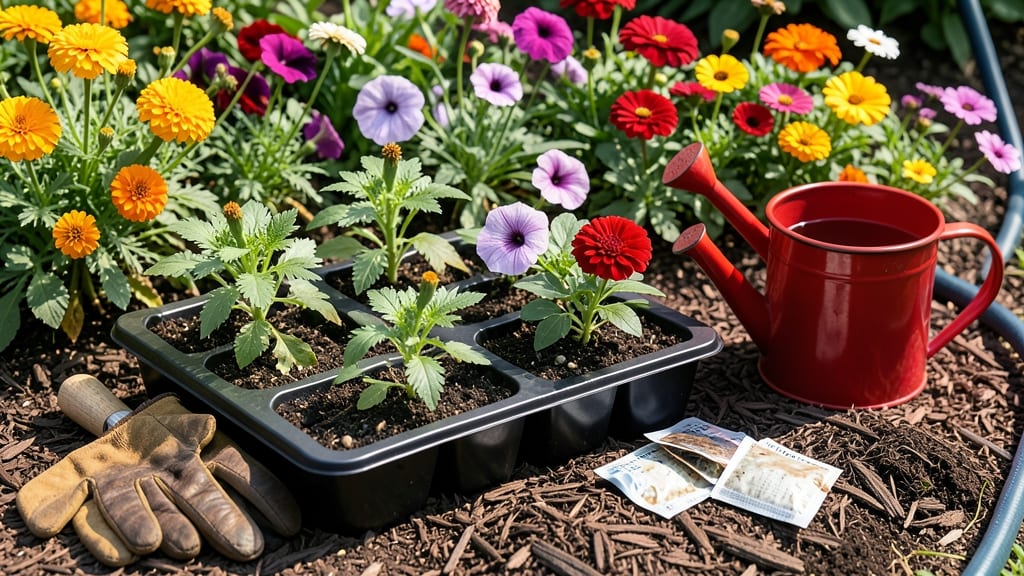
Timing your annuals planting in Maryland isn’t just about throwing seeds in the dirt—it’s the difference between a garden that blooms all summer and one that gets nipped by frost before it even starts.
With Zone 7B’s unpredictable swings from chilly springs to early autumn frosts, knowing the exact window can mean the difference between vibrant 🌸 flowers and wilting disappointment.
Most Maryland gardeners wait until after the last frost—typically between mid-April and early May—but did you know some annuals, like heat-loving zinnias or tomatoes, need even warmer soil to thrive?
The key is planting after temperatures consistently hit 60°F, ensuring your annuals grow strong and steady from the start.
But what if you want a longer season? Late summer plantings in August can still yield gorgeous blooms and fresh veggies, as long as you choose varieties that tolerate cooler nights.
Whether you’re a beginner or a seasoned gardener, getting these details right means more color, more harvests, and fewer headaches.
Let’s break down the exact dates, soil temps, and plant types that work best in Maryland—so you can enjoy a garden that’s as reliable as it is beautiful.
Maryland’s zone 7B frost dates: critical planting windows for annuals
Maryland’s Zone 7B climate means your annuals face a tight window between late frosts in spring and early frosts in fall. The average last frost date hovers around April 15, but it can creep into early May in colder years.
Meanwhile, the first frost typically arrives between October 15 and November 15. These dates aren’t just numbers—they’re your garden’s lifeline for vibrant blooms and bountiful harvests.
For warm-season annuals like zinnias and tomatoes, waiting until after the last frost is non-negotiable. These heat-lovers can’t handle even a light freeze, so planting too early risks stunted growth or death.
Conversely, cool-season annuals like pansies and lettuce can handle a touch of frost, making them ideal for early spring or late fall plantings.
Here’s the kicker: Maryland’s frost dates vary by region. Baltimore and DC metro areas tend to warm up slightly earlier than Frederick and western Maryland. That’s why I always check local weather forecasts or use Almanac’s Frost Calculator to pinpoint the safest planting dates for my garden.
Another pro move? Monitor soil temperature. Most annuals thrive when soil hits 60°F or warmer. A soil thermometer is your best friend here—it tells you when it’s truly safe to plant, not just when the air feels warm.
Let’s break down the critical planting windows for Maryland’s annuals, including regional tweaks and frost-free strategies to maximize your garden’s potential.
| Stage | Action | Notes |
|---|---|---|
| Last Frost (Zone 7B) | April 15–May 15 | Plant warm-season annuals after this date |
| First Frost (Zone 7B) | October 15–November 15 | Harvest cool-season crops before frost |
| Soil Temperature | 60°F+ for warm-season | Use soil thermometer for accuracy |
| Baltimore/DC Metro | Last frost: ~April 22 | Plant 2 weeks earlier than western MD |
| Frederick/Western MD | Last frost: ~May 1 | Wait until May 10 for safety |
Understanding these frost dates helps you avoid common pitfalls. For example, planting marigolds or basil before the last frost might seem harmless, but a surprise freeze can set them back weeks. I’ve learned the hard way—always err on the side of caution and wait until mid-May if you’re in doubt.
For cool-season annuals, the strategy flips. You can plant pansies or spinach as early as March in Maryland, even if frost is still possible. These hardy plants often bounce back from light freezes and may even taste sweeter after a frost!
Just cover them with frost cloth if a hard freeze is forecasted.
Another key factor? Day length and sunlight. Maryland’s long summer days provide 14–15 hours of daylight by June, perfect for sun-loving annuals. But in late summer, days shorten, signaling it’s time to switch to frost-tolerant varieties like kale or calendula for fall blooms.
Pro tip: Use succession planting to stretch your season. For example, sow bush beans every 2 weeks from May through July. This ensures a steady harvest and maximizes your garden’s productivity without overcrowding.
Finally, keep an eye on weather forecasts in the days leading up to your planting date. A sudden cold snap can delay your plans, but with the right prep—like using row covers or cold frames—you can often push your planting window by 1–2 weeks.
Best annual flowers and vegetables to plant by month in Maryland
Maryland’s 6-8 hour growing season demands smart planning to maximize your annuals’ potential. I’ve broken down the best month-by-month planting schedule, so you can enjoy continuous blooms and harvests from spring to fall. Cool-season annuals like pansies and lettuce thrive early, while heat-lovers like tomatoes and marigolds need warmer soil.
Start with cool-season annuals in March-April—think pansies, calendulas, and spinach. These hardy plants tolerate Maryland’s late frosts and even light freezes.
By mid-April, after the last frost date (typically April 15), you can safely plant warm-season favorites like zinnias, marigolds, and tomatoes.
🌱 Numbered Highlights: Maryland’s Monthly Planting Schedule 🌱
For vegetable annuals, focus on succession planting every 2-3 weeks from May through July. This ensures a steady supply of bush beans, radishes, and lettuce. Maryland’s short growing season (about 180 frost-free days) means you’ll need to prioritize fast-maturing varieties like cherry tomatoes (50-60 days) over slower growers.
Don’t overlook late summer as a second planting opportunity. By mid-August, you can sow cool-season annuals again for a fall harvest. Choose varieties like bok choy or pansies, which handle Maryland’s cooler nights beautifully. Just be ready to protect them with frost cloth as temperatures dip.
Pro tip: Use Maryland-specific varieties like ‘Maryland Mammoth’ tomatoes or ‘Black Prince’ tulips (for early blooms). These are bred to thrive in our humid climate and variable weather. Pair them with drought-tolerant annuals like lantana or portulaca to reduce watering stress during Maryland’s hot, humid summers.
With this schedule, your garden will burst into color from spring pansies to fall mums, proving that Maryland’s unpredictable climate can still deliver a show-stopping display—if you plant at the right time. 🌻