
Companion Plants
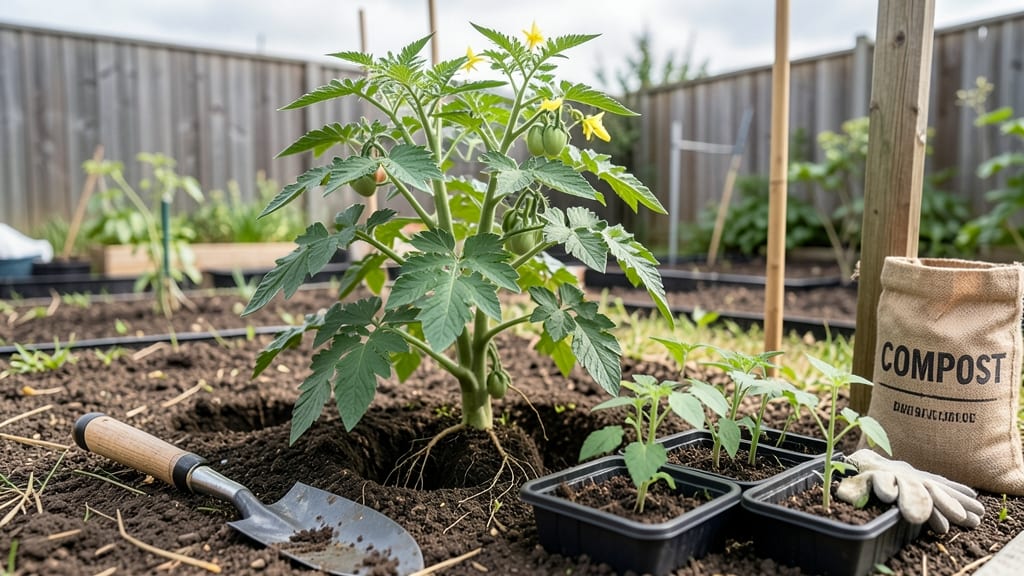
If you've ever wondered "when do I plant tomatoes in NC" only to get conflicting advice, you're not alone. North Carolina's diverse climate means your neighbors might be planting weeks before or after you—and getting wildly different results with their 🍅 harvests.
The key to success lies in understanding your specific USDA zone (like 6b-8a) and last frost dates, which can vary dramatically from the coast to the mountains. Plant too early, and a late frost could wipe out your seedlings.
Too late, and you might miss the sweet spot for a bountiful harvest before fall sets in.
In this guide, I’ll break down the exact planting windows for your county, whether you’re growing from seeds or transplants, and how to adjust for early vs. late varieties. You’ll also learn the 5 biggest mistakes NC gardeners make—and how to avoid them for a thriving tomato patch.
Ready to time your planting like a pro? Let’s get started with the county-specific deadlines that’ll set you up for a juicy, frost-free harvest all season long.
NC county-specific tomato planting deadlines by USDA Zone
North Carolina spans USDA Zones 5b through 8a, creating wildly different planting windows for tomatoes. Coastal areas like Carteret County (Zone 8a) can start seeds indoors by February 15, while mountainous regions like Haywood County (Zone 6b) must wait until April 15 to avoid frost.
These variations mean your last frost date dictates everything—from seed-starting to transplanting.
For Zone 8a (e.g., Wilmington, Fayetteville), the average last frost is February 15, giving you a 180-day growing season if you plant early varieties. In Zone 6b (e.g., Asheville, Boone), the last frost typically hits March 15, shrinking your window to 120-150 days.
Even within zones, microclimates matter—urban heat islands can push planting dates 1-2 weeks earlier than rural areas.
Here’s the breakdown you need to nail your tomato schedule:
| USDA Zone | County Examples | Avg Last Frost | Seed Start Indoors | Transplant Outdoors | First Harvest Window |
|---|---|---|---|---|---|
| 8a | Carteret, Craven, Robeson | Feb 15 | Feb 1 - Mar 15 | Mar 15 - Apr 15 | May 15 - Jun 15 |
| 7b | Wake, Durham, Mecklenburg | Mar 1 | Feb 15 - Mar 30 | Mar 30 - Apr 30 | Jun 1 - Jul 15 |
| 6b | Asheville, Boone, Waynesville | Mar 15 | Mar 1 - Apr 15 | Apr 15 - May 1 | Jul 1 - Aug 15 |
| 5b | Mitchell, Avery, Madison | Apr 1 | Apr 1 - May 1 | May 15 - Jun 1 | Aug 15 - Sep 15 |
🌡️ Pro Tip: Check your county’s Almanac frost data—some years frost hits 2 weeks early or later!
If you’re in Zone 7a or warmer, you can also plant a second crop in late summer (July-August) for a fall harvest. Just use heat-tolerant varieties like 'Celebrity' or 'Solar Fire' and expect a shorter season before the first frost in October-November.
For Zone 6b and cooler, stick to one planting—your season is too short for two.
Soil temperature matters just as much as air temperature. Tomatoes won’t germinate well until the soil hits 55°F+, and transplants need 60°F+ to thrive. Use a soil thermometer to confirm—cool soil delays growth and invites disease.
In cooler zones, black plastic mulch can raise soil temps by 5-10°F, giving you an earlier start.
For container gardening, adjust dates by 1-2 weeks later than in-ground planting. Pots heat up faster but also dry out quicker, so time your transplanting to align with stable warm spells. In Zone 8a, you might even squeeze in a winter harvest with greenhouse protection!
Don’t guess—use local extension office data (like NC State’s Frost Free Date Map) to pinpoint your exact window. A 2-week mistake can mean the difference between a bountiful harvest and wilted dreams.
How to adjust planting dates for early vs. late varieties
Choosing the right tomato variety is just as important as timing your planting. In North Carolina, early varieties like 'Stupice' or 'Early Girl' mature in 55-65 days, while heat-tolerant types like 'Celebrity' or 'Solar Fire' take 70-85 days.
Your planting window should match your variety’s days-to-maturity to avoid a harvest shortfall.
For cool zones (5b-6a), like the mountains, plant early varieties in late April to early May. These fast-maturing types can beat the first frost in late October.
In warmer zones (7a-8a), you can push your window earlier—even late February for transplants in the coast—but balance it with soil temperatures.
Soil temperature is your secret weapon. Tomatoes need 55°F+ for seeds and 60°F+ for transplants. Use a soil thermometer to check—if it’s cooler, delay planting or use black plastic mulch to warm the soil faster.
In Zone 6b, this often means waiting until mid-May for seeds or early April for transplants.
Here’s how to extend your harvest season with strategic planting:
Plant early varieties in April and late varieties in June. This creates a staggered harvest from July through October.
Extend the season by 2-3 weeks in cooler zones with lightweight row covers. Remove them when flowers appear to prevent heat stress.
For Zone 5b-6a, plant in cold frames in early April. They raise soil temps by 10-15°F and protect seedlings from late frosts.
Varieties like 'Heatmaster' or 'Solar Fire' set fruit in 90°F+ heat, perfect for July plantings in Zone 7a-8a.
South-facing slopes warm up faster—plant 1-2 weeks earlier there. Low-lying areas may need a 1-week delay.
Pro tip: Keep a planting journal to track your local microclimate. Note when your soil hits 60°F and adjust next year’s schedule. For example, my Zone 7a garden in Raleigh hits this mark by mid-March, but my neighbor’s shadier spot needs to wait until early April.
Remember, late plantings (June) work best in Zone 8a for heat-loving varieties. In cooler zones, they risk not maturing before frost. When in doubt, err on the side of soil warmth over calendar dates—your tomatoes will thank you with a bountiful harvest.