
Plants
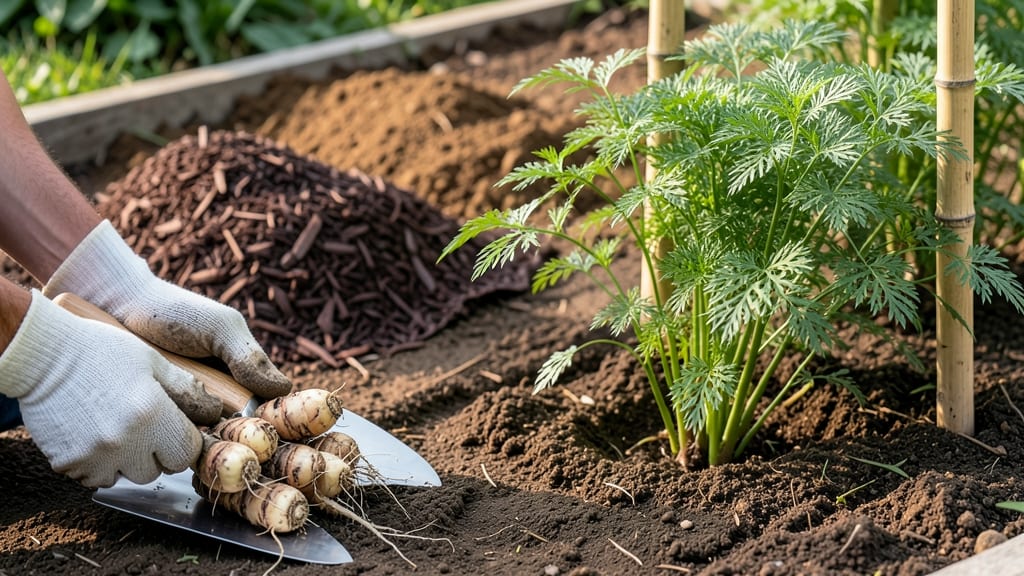
Planting asparagus in Maryland at the wrong time could mean wasting your entire season—or worse, losing your crowns to frost before they even take root. The key to success lies in understanding your Zone 7a/7b deadlines, where a single late frost can turn your hard work into disappointment.
Unlike other vegetables, asparagus crowns need consistent soil temperatures above 40°F to establish roots before Maryland’s unpredictable spring weather strikes. That means timing your planting between early March and mid-April, but with a critical backup plan if cold snaps linger.
I’ll break down the exact window—plus soil prep secrets—to ensure your 🌱 asparagus thrives from day one.
You might wonder: Should you plant crowns or seeds? For Maryland’s climate, 1-year-old crowns are the smarter choice—they establish faster and deliver spears in just 2-3 years. But knowing when to put them in the ground is just as important as how.
Let’s cut through the guesswork so you can enjoy that first harvest in late spring.
Ready to avoid the common mistakes that kill asparagus before it starts? I’ll walk you through the step-by-step process, from soil prep to frost-proofing, so your garden’s asparagus patch becomes the jealousy-inducing centerpiece of your Maryland yard.
Maryland asparagus planting deadlines by Zone 7a/7b: exact frost-free timing
Asparagus crowns need consistent soil temperatures above 40°F to root properly, making Maryland’s Zone 7a/7b frost dates your planting clock. Miss the window, and you risk stunted growth or frost damage—especially in colder Zone 7a areas like Western Maryland or Baltimore County.
The ideal time is late February to mid-April, but exact dates depend on your microclimate.
In Zone 7a (colder regions like Frederick or Garrett County), aim for March 15–April 15 to avoid late frosts. Zone 7b (warmer areas like Annapolis or Calvert County) can start as early as February 20–March 30.
Always check your local last frost date—delay planting if frost is forecasted within 2 weeks.
Here’s the critical window for Maryland gardeners: Plant 2–4 weeks before your average last frost date to give roots time to establish before spears emerge. For example, if your last frost is April 1, plant by March 15.
Use 1-year-old crowns (not seeds) for faster harvests—Maryland’s short growing season doesn’t reward patience!
Pro tip: Soil temperature matters more than air temperature. Use a soil thermometer to confirm 40°F+ at 4-inch depth. If it’s colder, wait—asparagus roots won’t thrive in chilly soil. In Zone 7a, this often means delaying until mid-April.
For late starters, May planting is risky but possible if you use row covers to protect young shoots. However, expect smaller yields in the first year. The sweet spot is March–April, when soil warms but frost threats linger—balancing the perfect asparagus planting paradox.
| Zone | Ideal Planting Window | Soil Temp Threshold | Last Frost Buffer |
|---|---|---|---|
| 7a (Frederick, Garrett) | March 15–April 15 | 40°F+ at 4" | 2–4 weeks before April 15 |
| 7b (Annapolis, Calvert) | February 20–March 30 | 40°F+ at 4" | 2–4 weeks before March 30 |
| Late Start (May) | May 1–15 (with row covers) | 50°F+ at 4" | No frost risk for 4+ weeks |
If you’re in Zone 7a, March 15 is your magic date—plant before then, and you’ll catch the early soil warming without risking frost. In Zone 7b, you can push it to late February if your soil hits 40°F.
Always test your soil—Maryland’s clay-heavy soils stay cold longer than sandy areas.
For container growing, plant 1–2 weeks earlier—pots warm up faster. But avoid black plastic mulch in early spring; it can overheat soil and stress young roots. Instead, use straw mulch to insulate while letting sunlight through.
Remember: Asparagus is a perennial, but first-year spears are tiny. Focus on root establishment—don’t harvest anything in Year 1! By Year 3, your Maryland-grown asparagus will reward you with 6–8 weeks of harvests if planted on time.
Need a backup plan? Start crowns indoors in January (using pots) and transplant outside after last frost. This extends your window but requires careful hardening off to avoid transplant shock.
Missed the spring window? Fall planting is a myth for asparagus—it needs active root growth in spring. Save your crowns for next year and plan your timing like a pro.
How to prepare Maryland soil for asparagus: 3 non-negotiable steps before planting
Asparagus crowns demand well-draining, nutrient-rich soil—and Maryland’s clay-heavy soils often need pre-planting prep to avoid root rot. Start by testing your soil’s pH level (aim for 6.5–7.5), since asparagus hates acidic conditions.
If your soil tests below 6.5, amend it with lime or wood ash 2–3 months before planting.
Next, focus on organic matter—asparagus roots need loose, airy soil to spread. Work in 3–4 inches of compost or aged manure into the top 12 inches of soil. This improves drainage while retaining moisture, which Maryland’s spring showers can otherwise wash away.
🌱Pro Tip: Avoid fresh manure—it can burn crowns. Use well-aged compost or a balanced 10-10-10 fertilizer instead.