
Planting
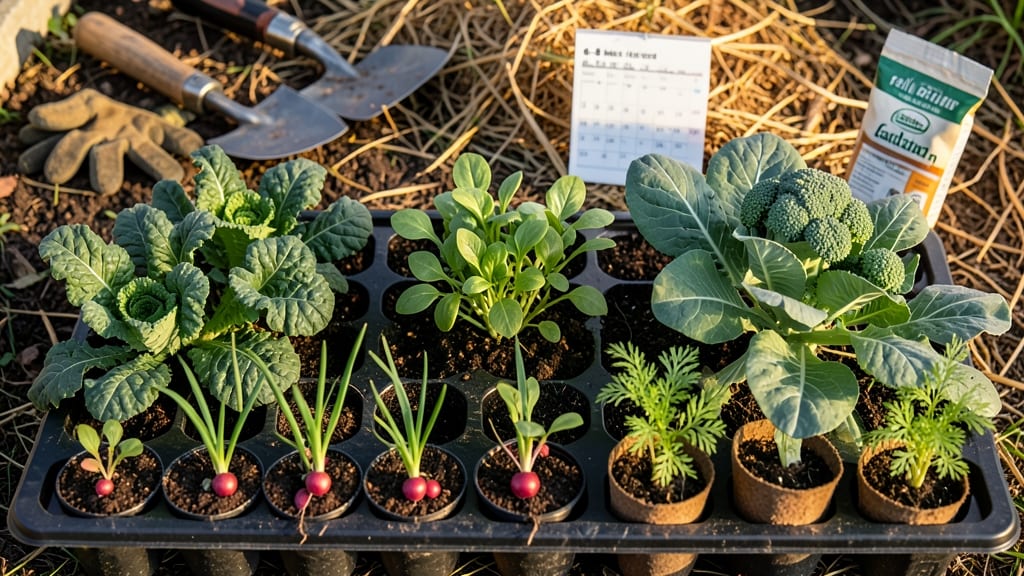
Timing when to plant a fall garden in Zone 7 can mean the difference between a thriving harvest and wasted seeds. If you've ever planted too early and watched your greens bolt into flower, or too late and faced frost, you know the frustration.
The sweet spot exists—and it’s all about understanding your microclimate and the 6-8 week window before your first frost.
Most gardeners assume "fall planting" means August, but Zone 7’s nuances demand precision. Urban areas heat up longer than rural spots, while higher elevations cool faster. I’ll break down exactly when to start seeds indoors, transplant seedlings, and even which heat-tolerant varieties can handle late starts without bolting.
Picture this: crisp kale ready by November, radishes popping in 30 days, and pansies blooming straight through winter. That’s the reward for getting your timing right. Let’s map out the perfect schedule so you can enjoy a productive garden well into the cooler months.
Whether you’re a first-time gardener or a seasoned pro, these insights will help you avoid common mistakes. We’ll cover soil prep, frost dates, and even how to stretch your harvest with row covers. Ready to transform your backyard into a fall harvest goldmine?
Zone 7 fall planting calendar: exact weeks to avoid bolting and frost damage
Fall gardening in Zone 7 is all about timing—plant too early, and your cool-season crops bolt from residual summer heat; too late, and frost ruins tender seedlings.
The ideal window spans 6-8 weeks before your first frost date, which typically falls between mid-October and early November in most of Zone 7. For example, in Raleigh, NC, aim for late August to early September, while San Diego can extend planting until October 15th.
To pinpoint your exact dates, check your local USDA Plant Hardiness Zone map and subtract 10-12 weeks from the average first frost date.
For instance, if frost hits November 15th, your last planting window closes around August 20th. Heat-tolerant varieties like 'Heat-Tolerant' lettuce or 'Black Spanish' radishes can push this window 2 weeks later.
Start with fast-maturing crops like radishes (25 days) or bush beans (50 days) for early harvests, then succession-plant kale (60 days) and carrots (70 days) every 2 weeks to extend your harvest. Root vegetables and brassicas handle cooler temps better, while leafy greens thrive in 50-60°F soil.
🌱 Zone 7 Fall Planting Timeline
| Crop Type | Planting Window | Days to Harvest | Notes |
|---|---|---|---|
| Leafy Greens (Lettuce, Spinach) | Late July–Early Sept | 30–50 days | Use shade cloth if temps exceed 80°F |
| Brassicas (Broccoli, Kale) | Early Aug–Mid-Sept | 50–70 days | Transplant seedlings for faster growth |
| Root Veggies (Carrots, Beets) | Mid-Aug–Early Oct | 60–80 days | Loosen soil to prevent forking |
| Alliums (Onions, Garlic) | Late Aug–Sept | 90–120 days | Plant sets for quicker harvest |
| Flowers (Pansies, Snapdragons) | Early Sept–Oct | 60–90 days | Choose frost-tolerant varieties |
📅 Adjust dates 1–2 weeks earlier for cooler microclimates (e.g., mountains) or later for urban heat islands.
For late-season extensions, use row covers or cold frames to protect crops like spinach and radishes until December. Test your soil’s temperature with a soil thermometer—ideal planting temps hover around 60–70°F.
If your soil stays above 80°F, delay planting or opt for shade-tolerant varieties like 'Outredgeous' lettuce.
Direct-sow fast growers like radishes and turnips first, as they germinate quickly in cooler soil. Transplant seedlings of broccoli and cabbage 3–4 weeks before your target frost date for established roots. Succession planting every 10–14 days ensures a steady harvest—think of it as a rolling buffet for your kitchen.
If you’re in Zone 7a (colder), prioritize hardier crops like kale and carrots, while Zone 7b (warmer) gardeners can push the envelope with collard greens and mustard greens into early winter. Frost dates vary by 1–2 weeks across the zone, so check your local Cooperative Extension Service for precise data.
Pro tip: Mulch with straw or leaves to insulate soil and retain moisture, especially in dry fall
Microclimate adjustments: how urban heat islands and elevation shift your planting timeline
Zone 7’s fall planting success depends on more than just calendar dates—your local microclimate can shift ideal planting windows by 2-4 weeks. Urban areas with heat islands (like concrete jungles) stay warmer longer, while rural zones cool faster. Even a 100-foot elevation gain can delay frost by 7-10 days.
If you live in an urban heat island, start cool crops like spinach or kale 2 weeks later than rural guidelines. For example, while rural gardeners plant lettuce by mid-August, city dwellers should wait until early September to avoid bolting.
Conversely, mountainous areas may need to plant radishes or peas as early as late July.
Adjust your timeline by observing local frost patterns. Check your average first frost date (typically November 15 in Zone 7) but account for 3-5 years of records.
If your neighborhood frosts 2 weeks earlier than the norm, shift planting 2 weeks earlier for heat-loving crops like broccoli or carrots.
Use row covers or shade cloth to extend seasons. A lightweight row cover can add 4-6°F protection, letting you plant spinach or peas up to 3 weeks later without frost risk.
For urban gardens, reflective mulch (like aluminum foil) can reduce soil temps by 10°F, delaying bolting in leafy greens.
Test your soil’s warmth retention by planting a test crop like radishes (20 days to harvest). If they bolt before maturity, your microclimate is too warm—switch to heat-tolerant varieties like 'Cherry Belle' radishes or 'Winter Density' kale.
For elevation adjustments, subtract 1 day of frost-free season for every 300 feet above sea level. At 2,000 feet, you’ll lose ~20 days of growing time—plant fast-maturing crops like bush beans or turnips by mid-July instead of August.