
Companion Plants
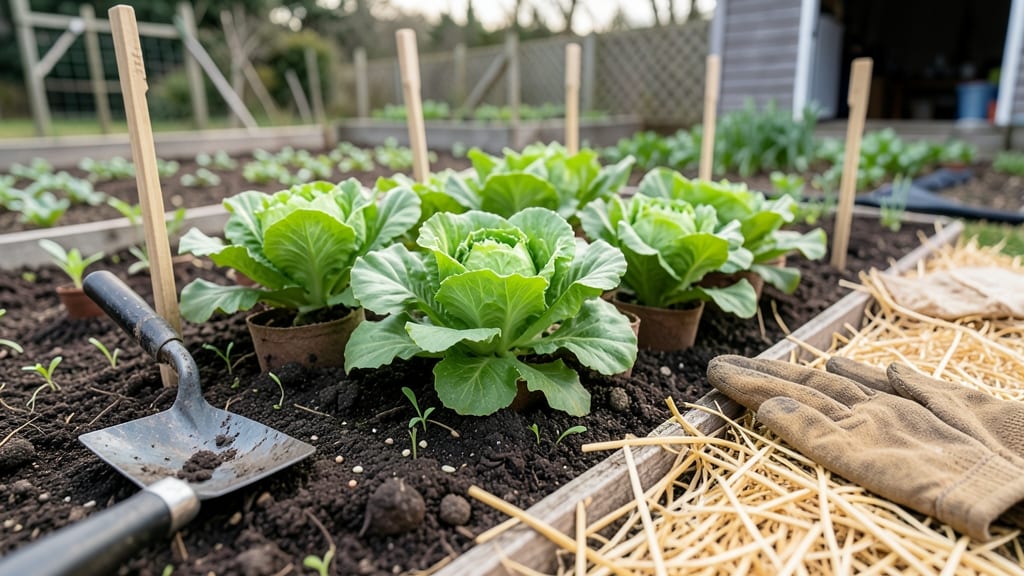
If you're wondering when to plant lettuce in Zone 6, timing is the secret weapon between crisp salads and bitter disappointment. That first planting window—just 4-6 weeks before your last frost date—can mean the difference between tender leaves and bolting disappointment.
Zone 6 gardeners know the struggle: too early, and frost nibbles your seedlings; too late, and summer heat turns your lettuce into a sad, bitter mess. But here's the good news—I'll show you exactly how to nail those planting dates, whether you're in Pittsburgh's chilly springs or Denver's unpredictable transitions.
We'll cover everything from soil temperature tricks to heat-tolerant varieties that won't bolt at first sight of summer. No more guessing games—just science-backed timing that actually works for your local climate.
Ready to transform your garden from "meh" to "mind-blowing"? Let's get those seeds in the ground at the perfect moment for bolt-free, salad-ready lettuce all season long.
Exact weeks before last frost to plant lettuce in Zone 6 for success
In Zone 6, timing your lettuce planting to avoid bolting—when heat triggers flowering—means starting seeds or transplants at the right weeks before last frost.
Most Zone 6 regions experience their average last frost between March 15 and April 15, but microclimates like Denver or Pittsburgh can vary by 2-3 weeks. For bolt-free growth, aim to plant 4-6 weeks before your last frost date for spring crops.
For example, if your last frost is April 1, plant lettuce between February 28 and March 15. This window ensures seedlings emerge when soil temperatures hit 40°F (4°C), the minimum for germination.
Use a soil thermometer to confirm—lettuce roots struggle below 50°F (10°C), slowing growth and increasing bolting risks.
Zone 6 gardeners often overlook fall planting, but it’s equally productive. Plant lettuce 8-10 weeks before your first frost (typically September 15-October 1 in most of Zone 6). This strategy lets you harvest before winter sets in, avoiding the heat-induced bolting that plagues summer plantings.
Pro tip: Use heat-tolerant varieties like 'Black Seeded Simpson' or 'Jericho' for summer plantings. These can handle 75°F (24°C) soil temps better than traditional lettuce, extending your harvest window by 2-3 weeks in late summer.
🌱
Succession planting is your secret weapon in Zone 6. By sowing new lettuce every 2 weeks from spring to early summer, you’ll always have young, tender leaves ready to harvest.
This method works because baby lettuce (3-4 weeks old) tolerates warmer soil temps (up to 70°F/21°C) better than mature plants. Pair this with afternoon shade cloth to push your harvest window into late July or August.
For urban gardeners or small spaces, container planting lets you control soil temperature better. Use pots with heat-resistant fabric (like black plastic) to warm soil faster in spring or add mulch rings to insulate roots in fall.
Just ensure containers have drainage holes—lettuce roots rot in soggy soil, even in cool weather.
Don’t forget to check your local cooperative extension service for precise frost dates. For instance, Pittsburgh’s last frost averages April 10, while Denver’s is closer to April 20. Adjust your planting timeline accordingly to avoid late-spring heat waves that trigger bolting.
💧
Finally, monitor your lettuce’s day-length sensitivity. Long-day varieties (like Romaine) bolt faster when daylight exceeds 14 hours, common in Zone 6 by late May.
To delay bolting, use shade cloth (30-50%) during peak sun hours (11 AM–3 PM) and harvest outer leaves first to keep plants young and productive.
How to extend your lettuce harvest season in Zone 6 without bolting
Zone 6 gardeners face a tricky challenge: lettuce thrives in cool weather but bolts when temperatures rise above 75°F. The key to a continuous harvest is strategic timing and season-extending tools.
Start by choosing heat-tolerant varieties like 'Black Seeded Simpson' or 'Jericho'—these can handle 80°F+ better than traditional types. Pair them with shade cloth (30-50% coverage) during peak summer heat to keep soil temps below 80°F.
Mulching is your secret weapon. Apply 2-3 inches of straw or shredded leaves around plants to insulate roots and retain moisture. This simple step can delay bolting by 2-3 weeks while keeping leaves crisp.
For fall plantings, focus on late August sowings—this gives seedlings time to establish before winter sets in, often yielding harvests until first frost.
🌱
| Type | Heat Tolerance | Cold Hardiness | Best Planting Window | Shade Needs |
|---|---|---|---|---|
| Heat-Tolerant (e.g., 'Jericho') | Up to 85°F | Moderate (28°F) | Late spring/early summer | 30-50% shade |
| Cold-Hardy (e.g., 'Winter Density') | Up to 75°F | High (15°F) | Early spring/fall | None |
| Butterhead (e.g., 'Buttercrunch') | Up to 70°F | Moderate (25°F) | Spring/fall only | None |
For spring plantings, aim to sow seeds 4-6 weeks before your last frost date (typically mid-March to early April in Zone 6). Use row covers for early starts to protect seedlings from 20°F+ dips.
In fall, your last chance is late July to early August—this gives plants 60-75 days to mature before cold sets in.
Soil temperature matters just as much as air temp. Lettuce roots struggle in soil below 40°F or above 85°F. Use a soil thermometer to monitor conditions. If temps climb too high, switch to container growing with daily watering—containers cool faster than in-ground beds.
For urban gardeners, raised beds with black plastic mulch can add 5-10°F to soil temps, extending the growing window.
Succession planting is non-negotiable. Sow new seeds every 2 weeks from spring through early summer, then switch to shade-tolerant varieties like 'Oakleaf' for late-season harvests. This staggered approach ensures you always have tender leaves ready to pick—no more bitter, bolted disappointment!
Pair lettuce with radishes or carrots to maximize space and confuse pests.
💧 Remember: Consistent moisture is your best defense against bolting. Water deeply in the morning to reduce stress, and avoid wetting leaves at night to prevent disease. With these strategies, you’ll enjoy fresh lettuce for 8+ months in Zone 6—no greenhouses required!