
Plants
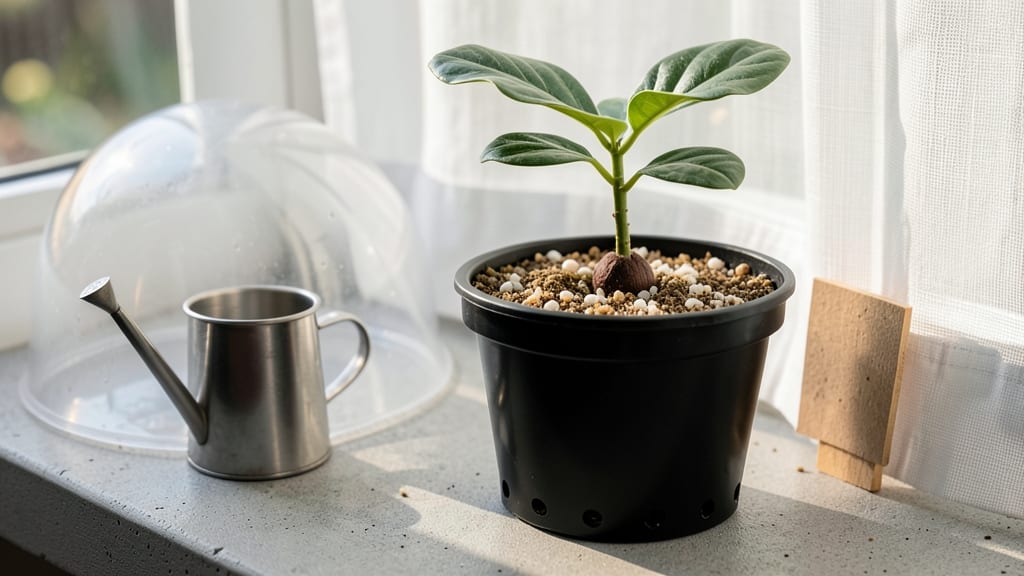
Planting an avocado seed in soil at the wrong time can turn your green thumb into a sad, wilted story—so let’s get the timing right. The key to success isn’t just patience; it’s knowing when your 🥑 avocado seed is ready to meet the soil and thrive in it.
Whether you’re in a warm climate or a cooler zone, the right moment makes all the difference between a robust seedling and a disappointing rot.
Spring is your golden window, but not all springs are created equal. If you’re in a frost-free zone, you might start as early as March, while cooler regions should wait until soil temperatures hit that sweet spot of 70-85°F.
Planting too soon risks soggy roots, while waiting too long could leave your seedling struggling to adapt. Let’s break down the exact cues and conditions to nail your planting schedule.
You’ll also discover how to prep your seed for soil—like checking for those telltale roots—and why indoor starts often give seedlings a fighting chance. Plus, we’ll tackle the biggest mistakes, from overwatering to ignoring light needs, so your avocado doesn’t just survive but flourishes.
Ready to turn that pit into a tree?
The best part? This isn’t just about waiting for the right moment—it’s about setting your avocado up for a lifetime of growth. With the right timing, you’re not just planting a seed; you’re planting a future. Let’s make sure it’s one worth celebrating.
Optimal planting timeline for avocado seeds in soil: months, climate zones & temperature rules
Timing your avocado seed planting is the difference between a thriving tree and a failed experiment. Avocados thrive in warm climates with consistent temperatures between 70-85°F. Planting too early risks cold damage or rot, while waiting too long delays growth.
Let’s break down the perfect planting windows based on your USDA hardiness zone and seasonal cues.
For gardeners in USDA zones 9-11 (tropical/subtropical), the ideal time is spring through early summer—typically March to June. These zones enjoy frost-free conditions year-round, so you can plant directly outdoors as soon as soil temperatures hit 65°F+.
In zone 8, wait until after the last frost, usually April to May, to avoid chilly soil.
Northern gardeners in zones 4-7 face bigger challenges. Avocado seeds cannot tolerate frost, so start them indoors 8-12 weeks before your last frost date. Transplant outdoors only after soil warms to 70°F+, typically late May to July.
Use row covers or grow them in containers for winter protection.
Here’s the key: Soil temperature matters more than air temperature. Use a soil thermometer to confirm 65°F+ before planting. Cold soil slows root growth and invites fungal diseases. If your region has hot summers, plant in early spring to avoid heat stress during germination.
Regional microclimates play a role too. Coastal areas with mild winters (e.g., Southern California) can plant year-round, while inland zones may need container growing. Always monitor local weather patterns—a late frost can wipe out young seedlings overnight.
| USDA Zone | Best Planting Window | Soil Temp Requirement | Key Consideration |
|---|---|---|---|
| Zones 9-11 | March–June | 65°F+ | Frost-free year-round |
| Zone 8 | April–May | 70°F+ | Wait for last frost |
| Zones 4-7 | Indoors (Feb–Apr) → Outdoors (May–July) | 70°F+ | Use containers for winter |
| Coastal/Mild Climates | Year-round (with caution) | 60°F+ | Monitor microclimates |
Pro tip: If you’re in a cooler zone, start seeds indoors under grow lights in February for a head start. By late spring, your seedling should have 2-3 inch roots and a thick stem, ready for outdoor planting. Avoid rushing—patience prevents transplant shock.
Watch for local heatwaves too. In zone 10+, planting in late summer (August–September) can stress seedlings during peak heat. Stick to spring or fall for the best balance of warm soil and gentle temperatures.
A well-timed planting sets your avocado up for faster growth and stronger roots.
Remember: Avocado seeds are slow to germinate—8-12 weeks indoors is normal. Don’t panic if sprouting takes time. The soil temperature during this phase is critical. Use a heat mat if your home stays cool, or place the pot in a sunny windowsill (south-facing) to maintain warmth.
Finally, container growers have flexibility. Move pots outdoors during daytime warmth and bring them inside at night until soil temps are consistently warm. This gradual acclimation reduces stress and boosts survival rates. With the right timing, your avocado seed will thrive—no matter where you garden! 🌱
Optimal planting timeline for avocado seeds in soil: months, climate zones & temperature rules
Avocado seeds thrive when planted during warm, frost-free months—typically late spring to early summer (May-July in most U.S. regions). The key is soil temperatures between 70-85°F, which ensure strong root development without rot.
In cooler climates (USDA Zones 4-7), start seeds indoors 8-10 weeks before the last frost, then transplant after temperatures stabilize above 60°F. In warmer zones (8-11), you can plant directly outdoors as early as March, but avoid peak summer heat to prevent stress.
Timing isn’t just about months—it’s about temperature thresholds. Avocado seeds won’t germinate below 65°F and may rot if planted in cold, damp soil. Use a soil thermometer to confirm readiness; aim for consistent warmth before planting.
If your region has unpredictable springs, err on the side of waiting—better to delay than risk failure. For example, in Zone 9, March-April is ideal, while Zone 5 gardeners should wait until mid-June when nights stay above 55°F.
🌱Pro Tip: If you’re in a temperate climate, consider growing your avocado seed indoors until late spring. This gives you control over warmth and light while you wait for outdoor conditions to align.
| Climate Zone | Ideal Planting Window | Soil Temp Requirement | Key Consideration |
|---|---|---|---|
| Zones 4-7 (Cold) | Indoors: Feb-Apr | Outdoors: May-July | 65-75°F (min 60°F nights) | Start early indoors; harden off before transplanting. |
| Zones 8-10 (Warm) | Outdoors: March-May or Sept-Oct | 70-85°F (avoid summer heatwaves) | Plant in spring or fall to avoid peak summer stress. |
| Tropical (Zone 11+) | Year-round (avoid rainy season) | 75-90°F (well-draining soil) | Monitor humidity; use raised beds for drainage. |
Regional microclimates play a huge role—urban areas often warm up faster than rural spots, while coastal regions may stay cooler longer. If you’re unsure, observe local avocado trees: when they’re blooming, it’s a sign your climate is primed for planting.
For container growing, timing is flexible, but avoid planting when daytime temps exceed 90°F—your seedling will wilt without shade or extra care.
One common mistake is rushing to plant in early spring when soil is still cold. Test with your hand: if the ground feels chilly to the touch, wait. A simple trick is to press your finger into the soil—if it feels like a warm bath, it’s ready.
In drought-prone areas, schedule planting for early monsoon season (if applicable) to ensure moisture without overwatering risks.
🌿Remember: Avocado seeds are sensitive to temperature swings. If a late frost is forecasted, delay planting—even a single cold snap can stunt growth or kill young roots. Use row covers if you’re pushing the timeline, but prioritize stability over speed.
Finally, track your seed’s progress once planted. If it sprouts too slowly (beyond 4-6 weeks), it may need warmer conditions or a soil boost (like compost). Adjust your next planting window based on what works for your microclimate—perfect timing becomes intuitive with practice!